The Difference Between UI and UX (And Why Both Matter for Your Website)

If you’ve ever wondered about the difference between UI and UX, you’re not alone. These two terms are often used interchangeably, yet they play very different roles in how your website looks, feels, and performs.
Understanding this distinction isn’t just helpful. It’s essential if you want to create a website that not only looks beautiful but also converts visitors into clients.
Let’s break it down in a way that feels simple, clear, and actionable.
What Is UX Design?
UX stands for User Experience. It focuses on how someone interacts with your website and how easy, intuitive, and enjoyable that journey feels.
Think of UX as the structure behind the scenes. It’s about strategy, flow, and function.
A strong UX answers questions like:
Is the website easy to navigate?
Can users find what they need quickly?
Does the journey feel smooth and logical?
When UX is done well, your visitors don’t have to think too hard. They move naturally from one step to the next, building trust along the way.
At Visuable, we always start with UX. Because without a clear structure, even the most beautiful design won’t perform.
What Is UI Design?
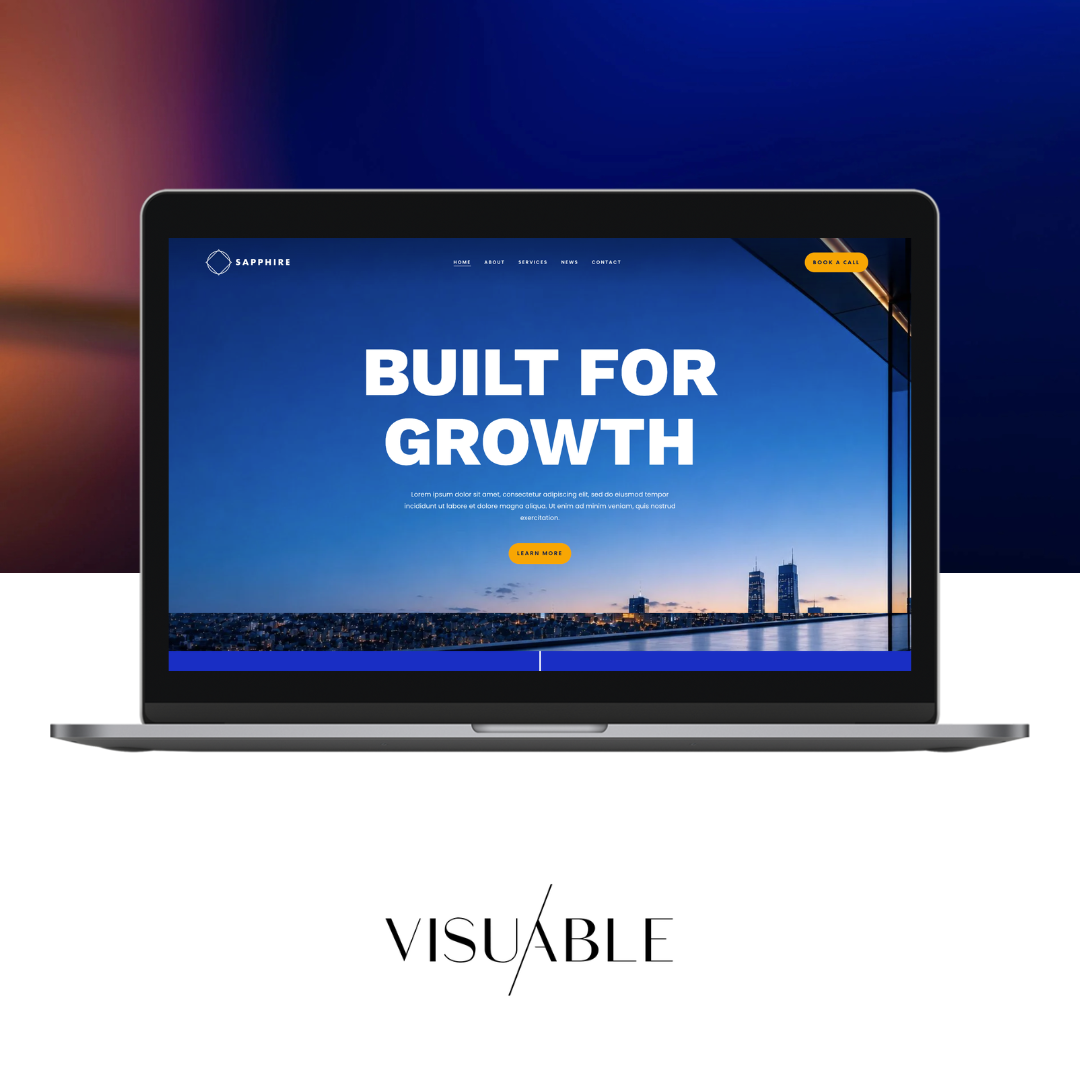
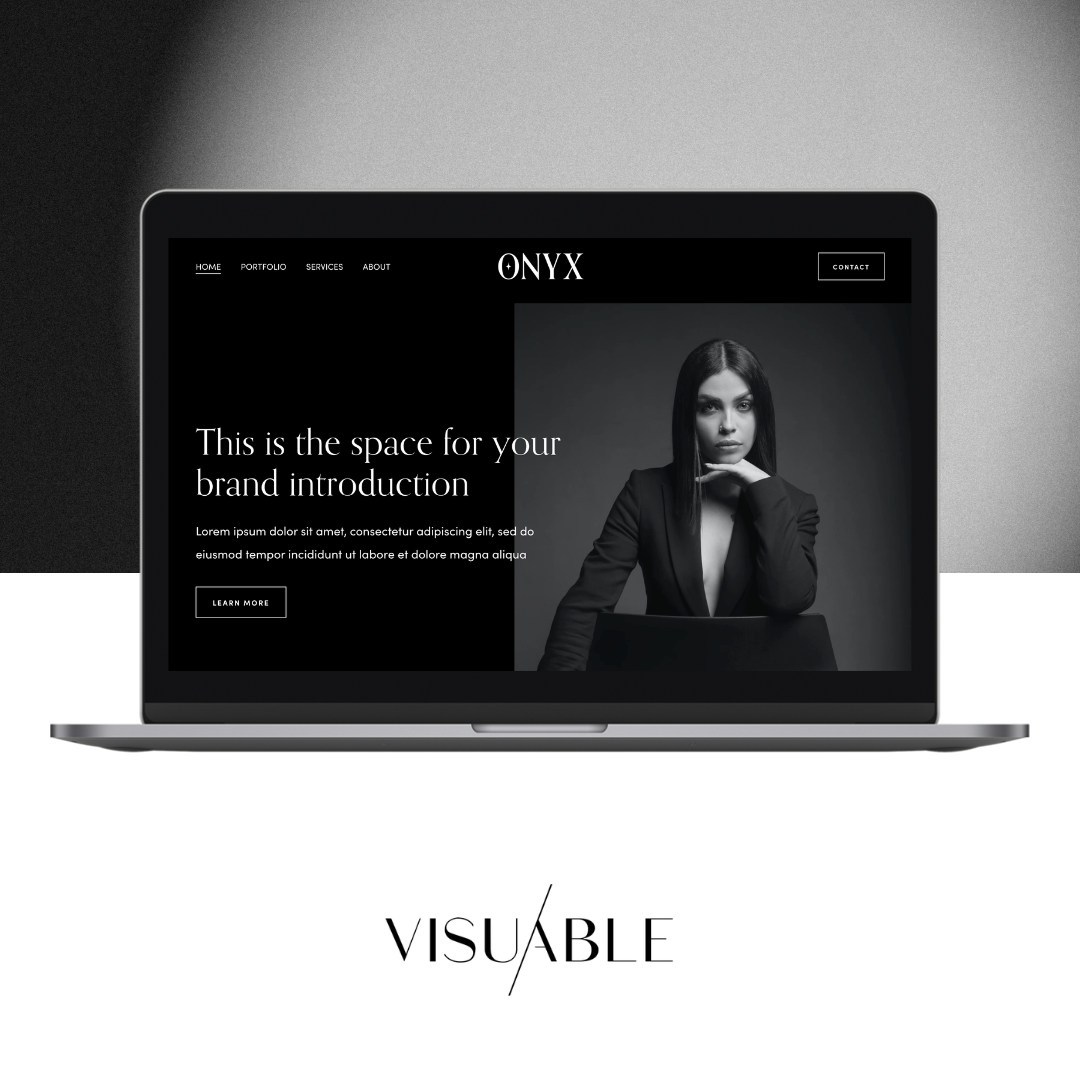
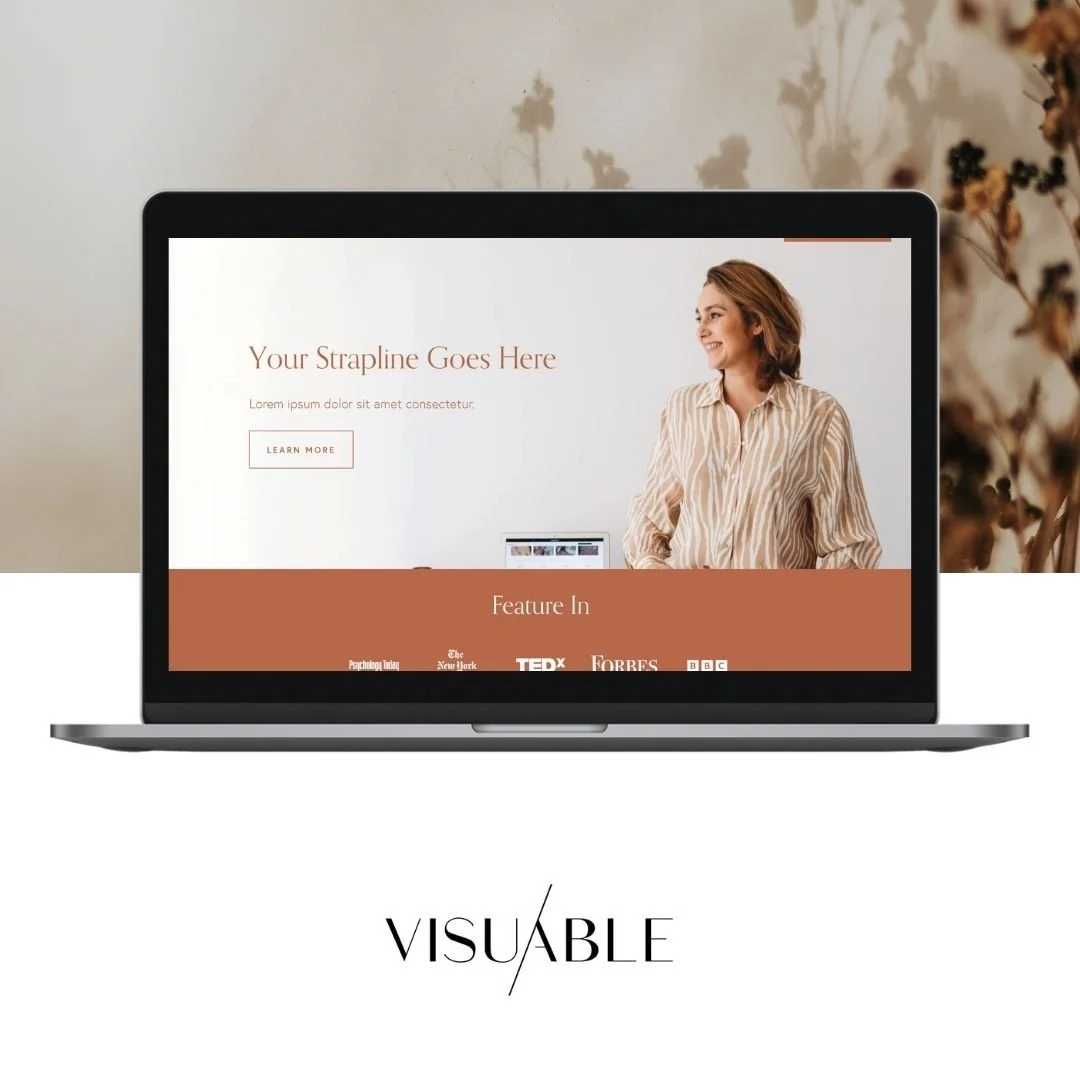
UI stands for User Interface. It focuses on the visual side of your website. Everything your users see and interact with visually falls under UI.
This includes:
Colours and typography
Buttons and icons
Layout and spacing
Visual hierarchy
UI is what makes your brand feel polished, aligned, and memorable. It’s how your website expresses your identity and creates an emotional connection with your audience.
A well-designed UI doesn’t just look good. It guides users visually, helping them understand where to click, what to read, and what to do next.
The Core Difference Between UI and UX
Now that we’ve defined both, let’s simplify the difference between UI and UX.
UX is about how your website works. UI is about how your website looks.
UX focuses on function and flow. UI focuses on visuals and interaction.
UX comes first. It builds the foundation. UI enhances that foundation with design.
Think of it like building a home. UX is the blueprint and structure. UI is the interior design that brings it to life.
Both are essential. One without the other creates an incomplete experience.
Why UI and UX Must Work Together
A common mistake is focusing on one and ignoring the other.
A website can look stunning but feel confusing to use. That’s a UI-first approach without UX strategy. On the other hand, a website can function well but feel outdated or uninspiring. That’s UX without strong UI.
When UI and UX work together, everything aligns.
Your website becomes:
Easy to navigate
Visually engaging
Clear in its messaging
Built to convert
This is where strategy meets creativity. And this is where real growth happens.
At Visuable, we design websites that combine both elements seamlessly. Because when your website supports your audience and reflects your brand, you create a powerful online presence that drives results .
How UI and UX Impact Your Business
Understanding the difference between UI and UX is not just a design conversation. It directly affects your business performance.
Here’s how:
A strong UX helps visitors stay longer on your site, reducing bounce rates and increasing engagement.
A thoughtful UI builds trust instantly, making your brand feel credible and professional.
Together, they guide users towards action, whether that’s booking a call, making a purchase, or exploring your services.
When your website is built with both UX and UI in mind, you:
Save time by reducing confusion for your users
Improve conversions through clear and intuitive journeys
Increase your brand value with a cohesive and elevated design
This aligns with what we call strategic design. Every element has a purpose. Every decision supports your goals.
Common Misconceptions About UI and UX
There are a few myths that often create confusion.
One of the biggest is that UI and UX are the same thing. They’re not. They’re closely connected, but each has its own role.
Another misconception is that UX is only about usability testing. In reality, UX includes research, structure, content flow, and user psychology.
And finally, many believe UI is just about making things look pretty. In truth, UI is about clarity, guidance, and creating visual harmony that supports the user journey.
When you understand these differences, you can make better decisions for your website and your brand.
How to Get UI and UX Right
Creating a website that balances both UI and UX doesn’t happen by accident. It requires a clear process and strategic thinking.
At Visuable, our approach combines:
Brand strategy to define your positioning
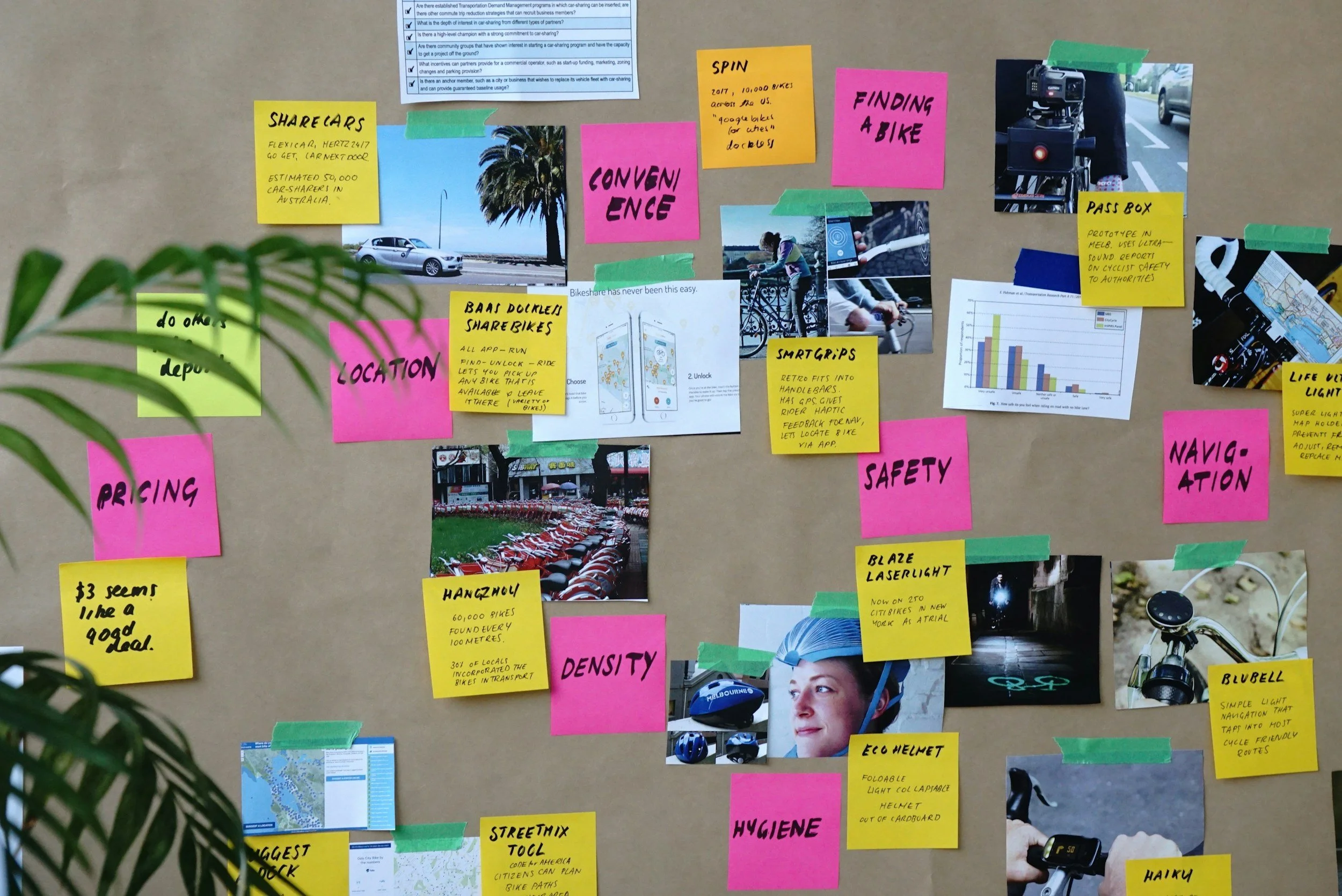
UX planning to map out your user journey
UI design to bring your brand to life visually
SEO and copywriting to ensure your message connects and converts
This integrated approach ensures your website doesn’t just exist online. It performs, grows, and supports your business long term.
If you’re starting from scratch or refining your current website, focusing on both UX and UI is one of the most valuable investments you can make.
Final Thoughts on the Difference Between UI and UX
The difference between UI and UX comes down to one simple idea.
UX shapes the experience. UI brings it to life.
When both are aligned, your website becomes more than just a digital space. It becomes a strategic tool that supports your growth, connects with your audience, and builds lasting trust.
If your current website feels off, whether it’s confusing, underperforming, or visually disconnected, there’s often a gap between UI and UX.
And the good news is, with the right strategy and design, that gap can be transformed into your biggest advantage.
Ready to Create a Website That Looks Great and Works Even Better?
The most successful websites don't choose between the two. They combine strategic user experience with thoughtful visual design to create a website that attracts, engages, and converts.
If you're planning a new website or considering a redesign, our team at Visuable can help you create a website that's beautiful, intuitive, and built for growth. Book a free consultation today and let's explore how strategic design can elevate your online presence.
FAQs
-
UX focuses on the overall experience and usability of a website, while UI focuses on the visual design and interactive elements.
-
Both are equally important. UX ensures the website works well, while UI ensures it looks appealing and guides users visually.
-
Yes, and it often leads to poor performance. A visually attractive site that’s hard to navigate will frustrate users and reduce conversions.
-
Absolutely. Combining both creates a seamless, engaging experience that supports your business goals and improves user satisfaction.
Related Blogs