Design Trends 2026: How to Build a Future-Ready Brand That Feels Human, Ethical and Effortlessly Modern
Branding is evolving at incredible speed, and Design Trends 2026 reveal a world where brands must feel more human, more intentional, and far more immersive than ever before. A beautiful logo and minimalist website are no longer enough. Today’s audiences want depth. They want the truth. And they want brands that stand for something — visually, ethically, and emotionally.
At Visuable, we help founders build brands that don’t just look good, but feel aligned, strategic, and designed to grow. Below is a clear, thoughtful guide to the brand and design shifts shaping 2026, and how you can embrace them with confidence.
1. Purpose-Driven Branding Leads the Design Trends of 2026
Among all design trends in 2026, the strongest — and most meaningful — is the rise of purpose-driven branding. People expect brands to demonstrate values through real action, not polished statements. This is where authenticity becomes a design principle in its own right.
A beautiful example is the Amalinda Safari Collection. Their work in conservation and community empowerment isn’t something they say — it’s something they live. This commitment naturally shapes their visual identity: warm earth tones, textures inspired by the African landscape, and photography that honours both wildlife and people. The brand feels grounded because the purpose behind it is genuine. In 2026, that level of alignment is not optional. It’s essential.
2. Humanised AI Is One of the Fastest-Growing Trends
AI is now part of every creative workflow, but how brands use it is what matters. Design trends 2026 show a clear move toward AI that feels friendly, empathetic and aligned with the brand’s personality. It’s no longer about efficiency alone — it’s about enhancing the user experience in a way that still feels warm and human.
Brands are building chat experiences that read like a trusted guide, not a machine. They’re using AI-powered personalisation to make digital journeys smoother and more intuitive, but ensuring the tone of voice remains distinctly theirs. The future of branding is hybrid: human creativity supported by AI agility.
3. Micro-Storytelling: A Highlight in Branding & Design
Gone are the days of long, polished brand manifestos that feel detached from real life. One of the most compelling design trends 2026 brings forward is micro-storytelling — small, honest glimpses into the life of a brand.
A brilliant example of this is Raccoon London Photography, a tech brand that stands out because of its human-centred storytelling. Instead of hiding behind technical jargon, Raccoon shares the people behind the innovation, the everyday moments in the studio, and the sparks of inspiration that influenced the product. These micro-stories give the brand personality and depth, making the experience feel more like a conversation than a corporate announcement.
This shift reflects what audiences crave most: truth, relatability, and a sense of real connection.
4. Immersive, Multi-Platform Identity
One of the defining themes in design trends 2026 is the shift toward brand identities that perform beautifully across every format — from a smartwatch face to a VR showroom. Your brand must be recognisable on:
A website
A smartwatch
A VR showroom
A membership platform
A digital course space
A physical product
And everything in between
This era asks brands to think beyond flat screens and embrace an identity that is flexible, fluid, and multi-dimensional.
5. Global-Local Fusion: A Standout Theme
Design trends 2026 also highlight a fascinating cultural shift: brands are becoming global in reach but deeply local in flavour. This balance creates stronger emotional resonance, especially in competitive markets.
Los Mochis is a perfect example. Their brand blends global Japanese–Mexican fusion with a distinctly London edge. Instead of presenting a generic international identity, the brand honours local culture through texture, tone, visual cues, and storytelling rooted in place. The result feels authentic, vibrant, and immediately memorable.
This approach helps brands feel at home everywhere — without losing the unique energy of their environment.
6. Transparency & Data Honesty: Ethical Design Trends
Transparency is now more than a value — it’s becoming a visual language. Consumers recognise and appreciate honest communication about sourcing, sustainability, pricing and data usage. Design trends 2026 show brands leaning into clarity through clean layouts, simplified copy, open material choices, and visual storytelling that helps audiences understand the “why” behind the brand.
In this era, transparency is not a challenge. It’s an opportunity to build deeper trust.
Visual Design Trends 2026: The Aesthetic Shifts Transforming Brand Identity
1. AI-Assisted Design Workflows
AI has become an essential creative partner, helping designers explore visual directions far faster than before. It can generate layout variations, suggest colour combinations, produce 3D mockups, or provide moodboard-style inspiration within seconds.
But the magic lies in the partnership. AI offers possibilities. Humans curate meaning.
In 2026, the strongest brands will be those that use AI to expand their creative thinking — not replicate existing visuals. Designers provide taste, strategy, intuition, and emotional depth. AI brings agility and breadth. Together, they create richer and more innovative outcomes.
2. Neo-Brutalism & Bold Minimalism (Minimalism 3.0)
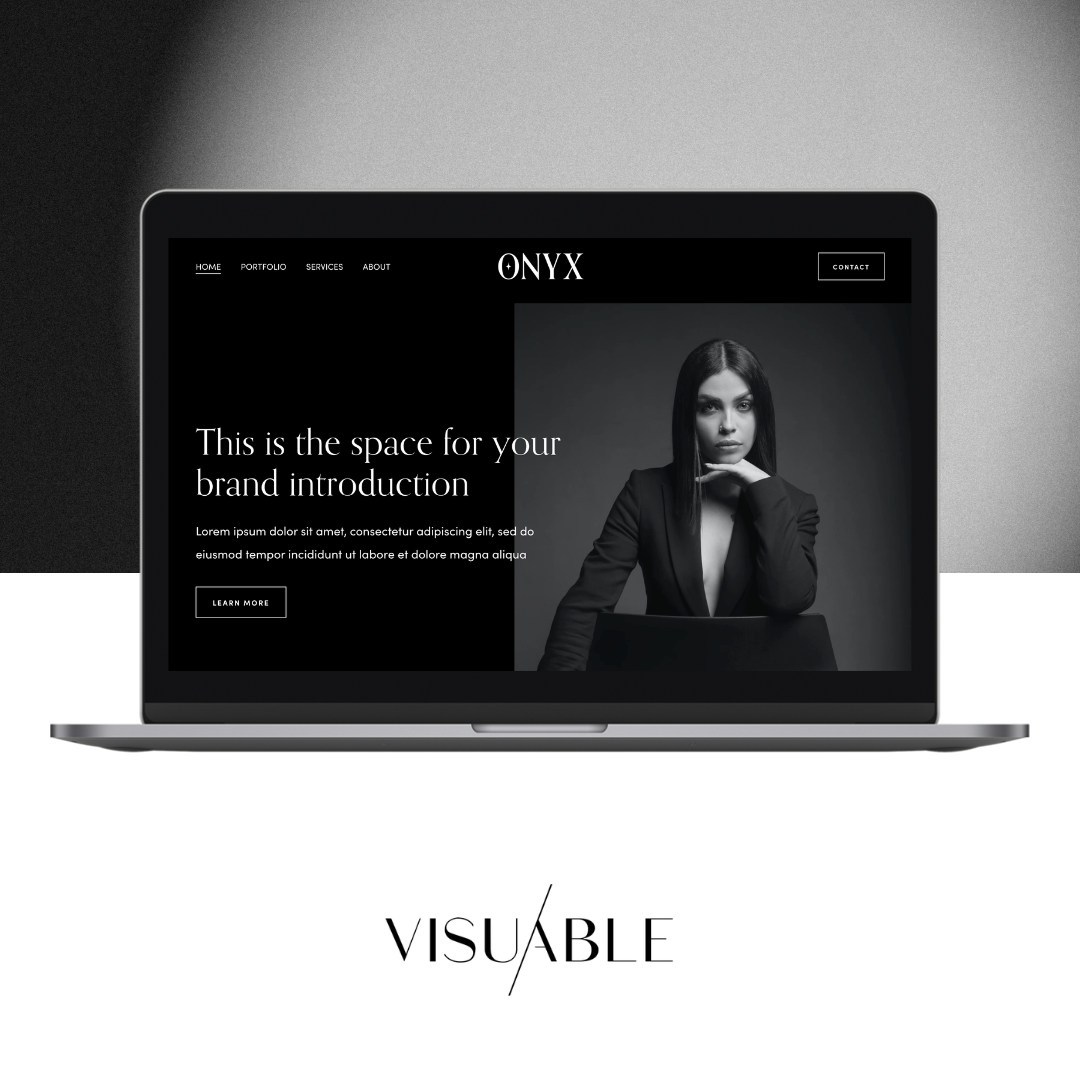
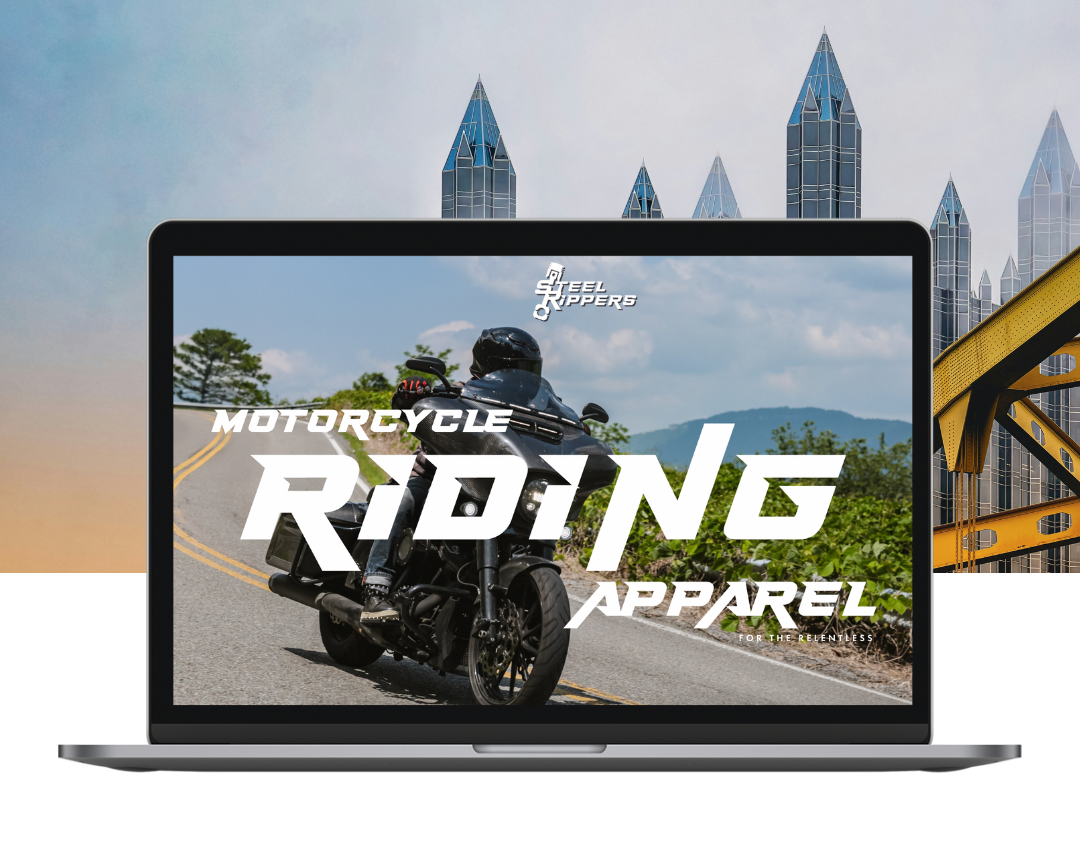
Minimalism is evolving again — this time becoming more confident and expressive. Neo-Brutalism blends clean, geometric forms with bold contrasts and raw, textured elements. Think of it as minimalism with personality: stripped back, but not sterile.
Minimalism 3.0 embraces:
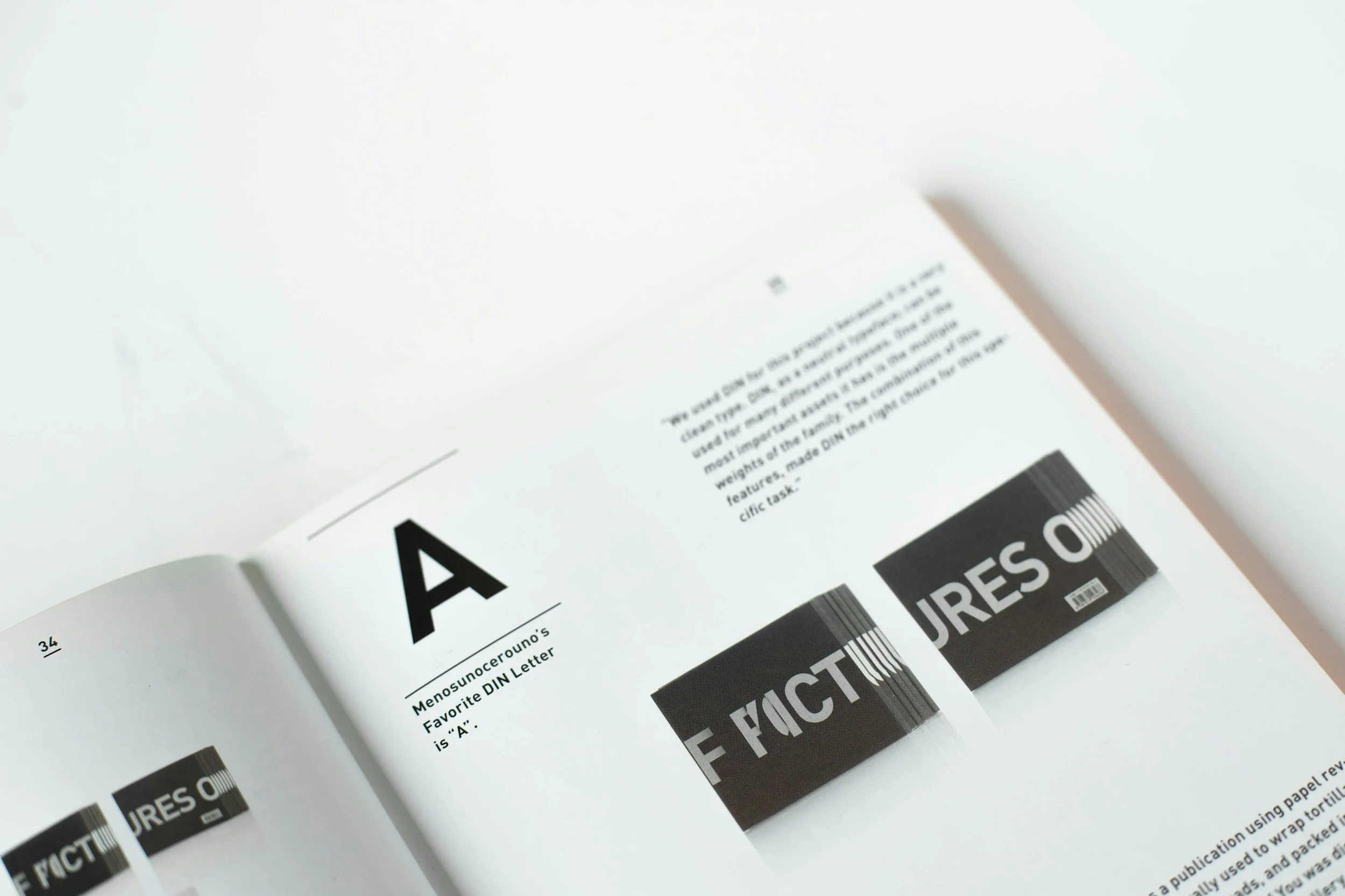
High contrast typography
Strong grid structures
Purposefully exposed design elements
Raw, tactile textures balanced with softness
A visual honesty that feels modern but deeply human
This trend reflects a desire for clarity in a crowded digital world. People are craving simpler, more intentional design — but with just enough warmth and character to feel relatable.
3. Motion-Led Typography & Interactive UX
As attention spans shorten and digital spaces become more immersive, static design is no longer enough. Typography now moves, animates, and responds to interactions — turning words into visual experiences rather than just text on a screen.
Motion-led typography introduces:
Subtle animated headings
Kinetic sequences as users scroll
Text that flows, expands, or shifts to guide attention
Micro-animations that add emotion and clarity
Interactive elements that feel intuitive and playful
This trend isn’t about flashy animation; it’s about using motion to support comprehension, strengthen brand personality, and create a more dynamic digital journey.
4. Eco-Conscious Visual Language
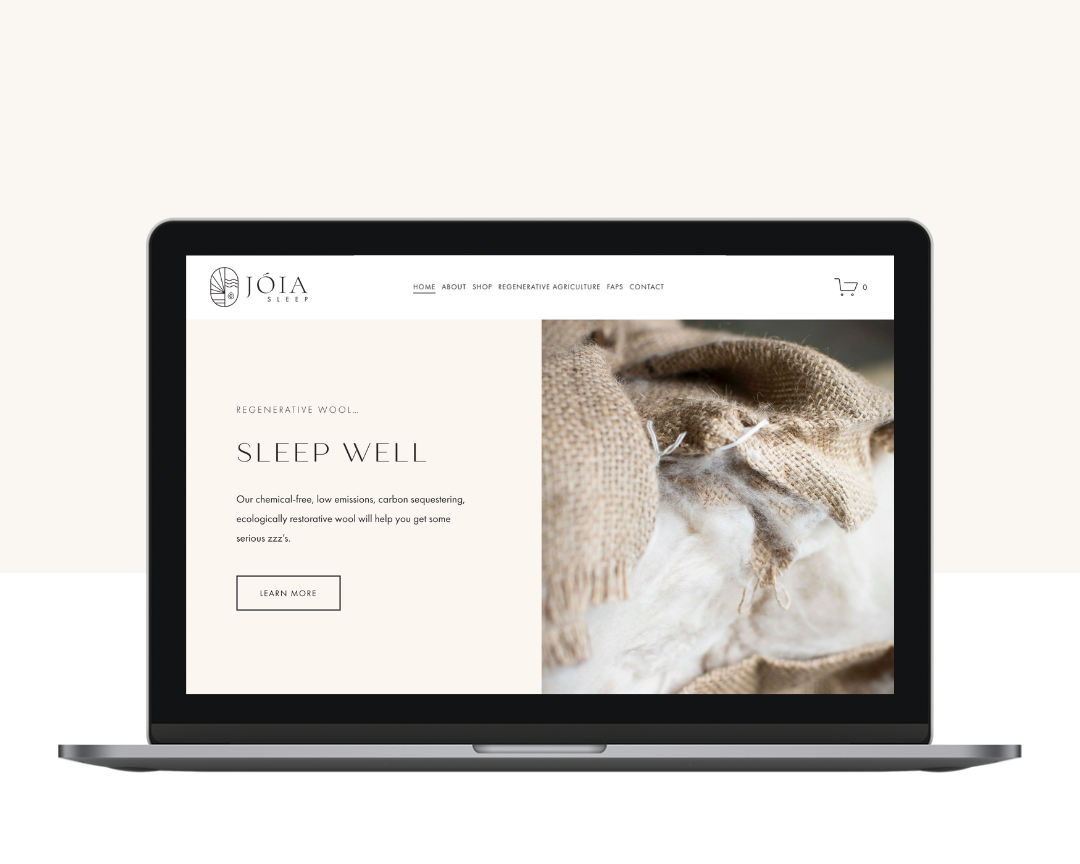
Sustainability has moved beyond messaging into the visual language of brand identity. Eco-conscious design choices show up in both digital and physical touchpoints, reflecting consumer demand for responsibility, transparency, and authenticity.
Common expressions of this trend include:
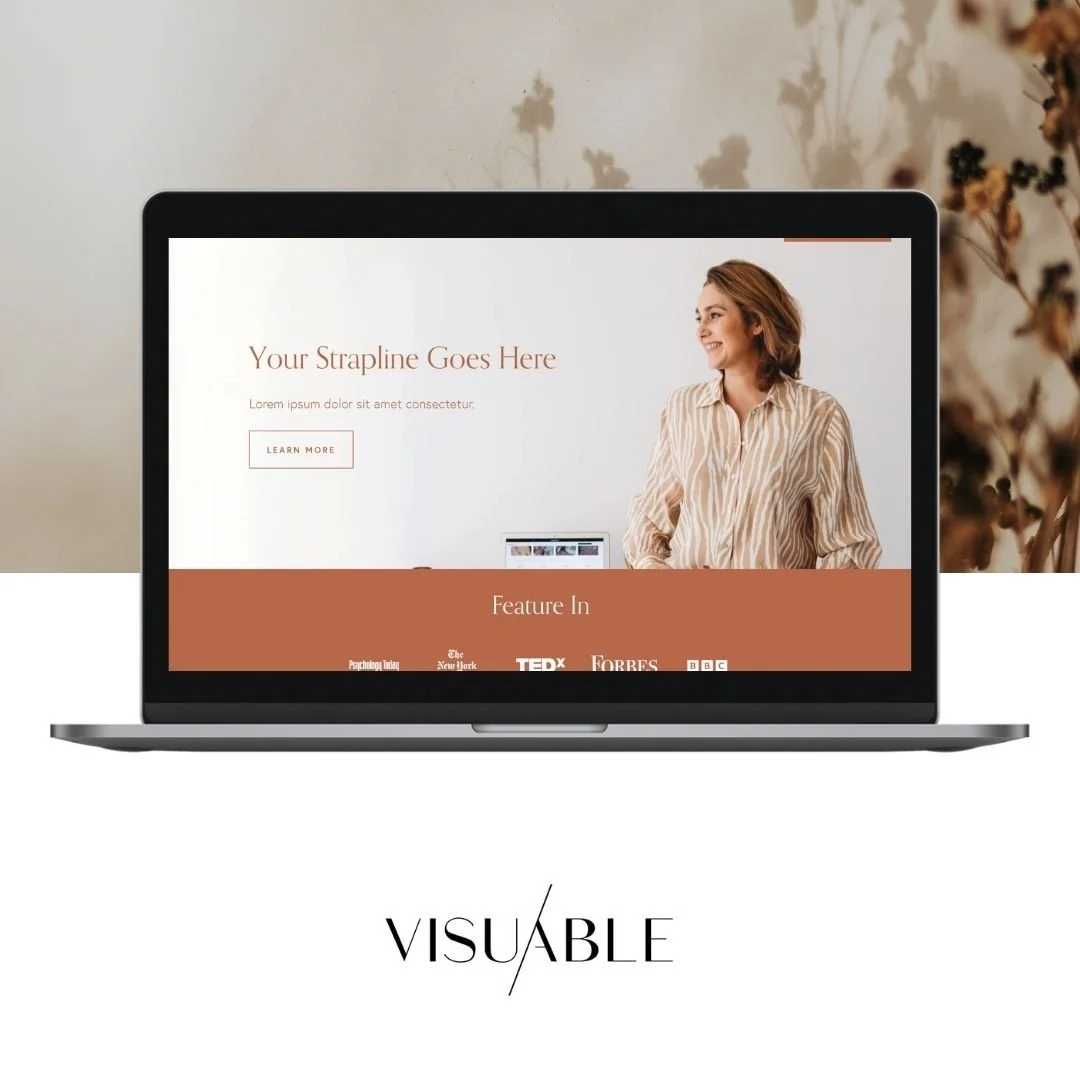
Earth-inspired colour palettes: greens, terracottas, sands, stone hues
Organic textures and tactile materials
Natural lighting in imagery
Packaging that shows its sustainability (recycled, uncoated, raw finishes)
Visual storytelling around ethical sourcing and circularity
In 2026, sustainability is not a theme — it’s a design principle, with aesthetics that feel grounded, honest, and connected to the natural world.
5. 3D, Mixed Media & Immersive Visual Layers
As digital environments become richer and more multi-dimensional, brands are embracing depth, texture, and spatial storytelling. Flat design alone can feel limited; mixed-media visuals give brands more room to express emotion and complexity.
This trend brings together:
3D illustrations and objects
Layered textures and collage-like compositions
Partially blurred or depth-of-field elements
Spatial design principles borrowed from VR/AR
Real-world materials blended with digital art
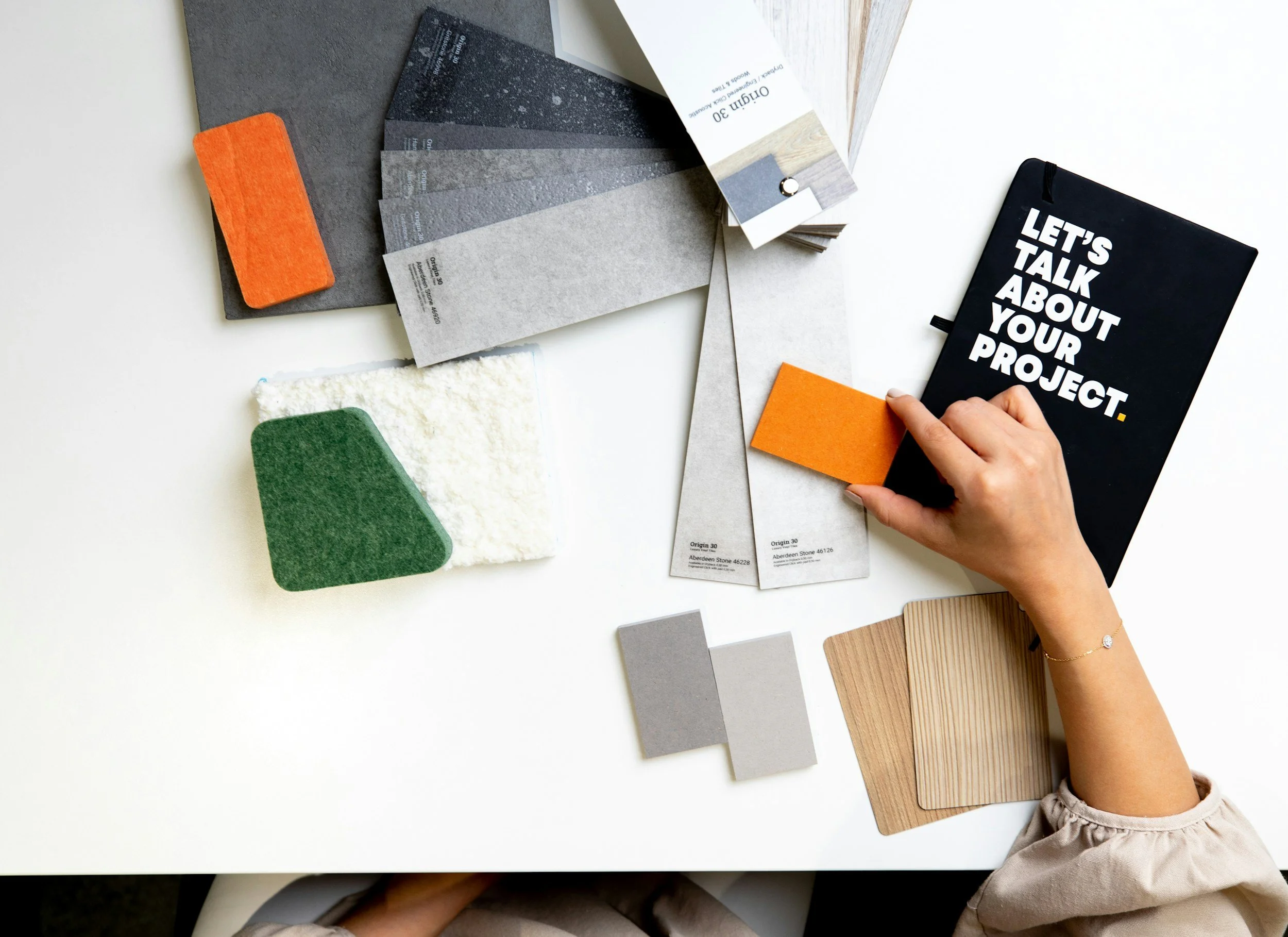
The result is a brand identity that feels more tactile, more alive, and more memorable. It blurs the line between physical and digital, creating immersive experiences that draw people in and spark curiosity. You can feel and experience this in the work we have done for TouchLess.
6. Hand-Crafted Imperfection & Human Detail
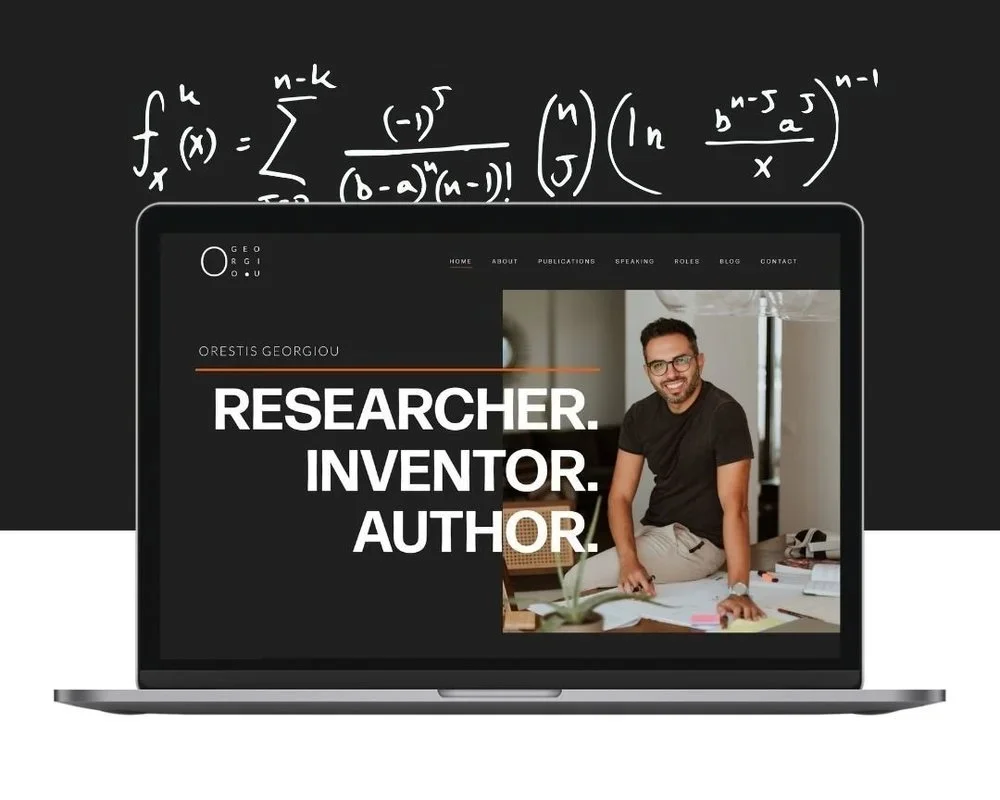
In a world increasingly shaped by automation, hand-made details offer a counterbalance. Imperfections — the uneven line, the human sketch, the organic shape — add personality, soul, and relatability to brand visuals.
This trend embraces:
Hand-drawn icons and doodles
Imperfect brush strokes and pencil textures
Organic shapes that break symmetry
Visible grain, scratches, or paper textures
Typography with subtle quirks rather than mechanical precision
These elements bring warmth into highly polished digital environments. They remind audiences that there’s a human behind the work. This emotional resonance is why hand-crafted imperfection continues to rise as one of the most sought-after design techniques in 2026.
Final Thoughts: Why Design Trends 2026 Matter
Design Trends 2026 show a clear direction: brands must be more human, more transparent, more immersive, and more intentional. Whether you're launching a new brand or refreshing an existing one, this is the ideal moment to align your visuals, your voice, and your digital experience with where your audience — and the world — is heading.
If you’d like support building a brand that feels timeless, strategic, and fully ready for the future, we’d love to help you bring your vision to life.
Ready to Create a Brand Experience People Remember?
Great design does more than look beautiful—it helps people connect with your brand, understand your value, and feel confident taking the next step.
When strategy and creativity work together, your website becomes more than a collection of pages. It becomes a powerful reflection of your brand, designed to inspire trust, create meaningful connections, and support your business as it grows.
Whether you're launching something new or reimagining an existing brand, we're here to help you create an online presence that feels aligned, purposeful, and uniquely yours.
Related Blogs