How Editorial Design Principles Can Elevate Your Website
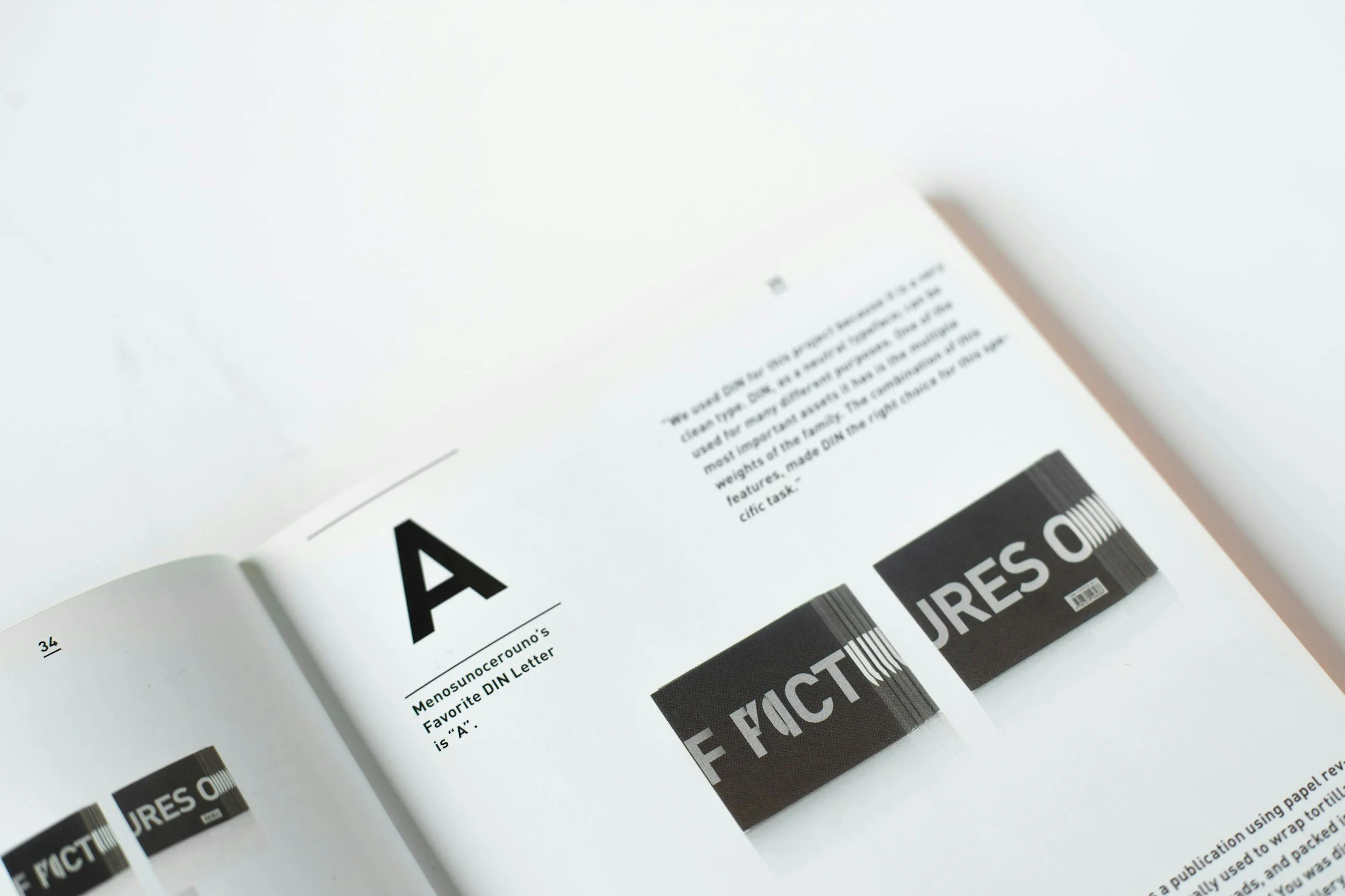
In a world where attention spans are short and competition is high, your website needs to do more than just look good. It needs to guide, engage, and convert. This is where editorial design comes in.
Rooted in magazine and print layout traditions, editorial design brings structure, clarity, and storytelling into digital spaces. When applied strategically, it transforms your website from a simple collection of pages into a seamless, engaging experience.
Let’s explore how editorial design principles can elevate your website and help your brand stand out with purpose.
What Is Editorial Design in a Digital Context?
Editorial design is the art of organising content in a way that is both visually appealing and easy to consume. Traditionally used in magazines and publications, it focuses on layout, hierarchy, typography, and flow.
On a website, editorial design becomes a powerful tool. It shapes how your audience reads, navigates, and connects with your content.
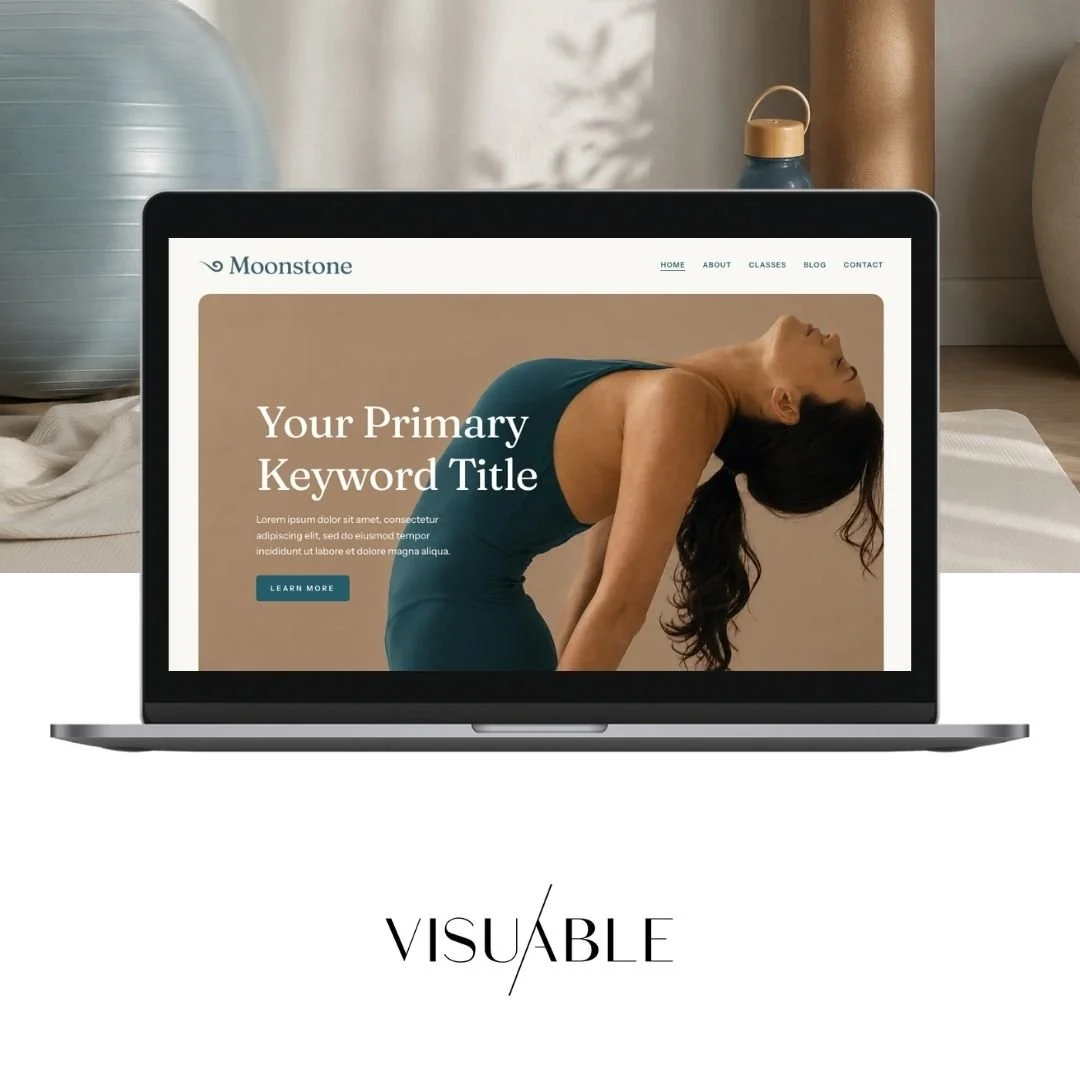
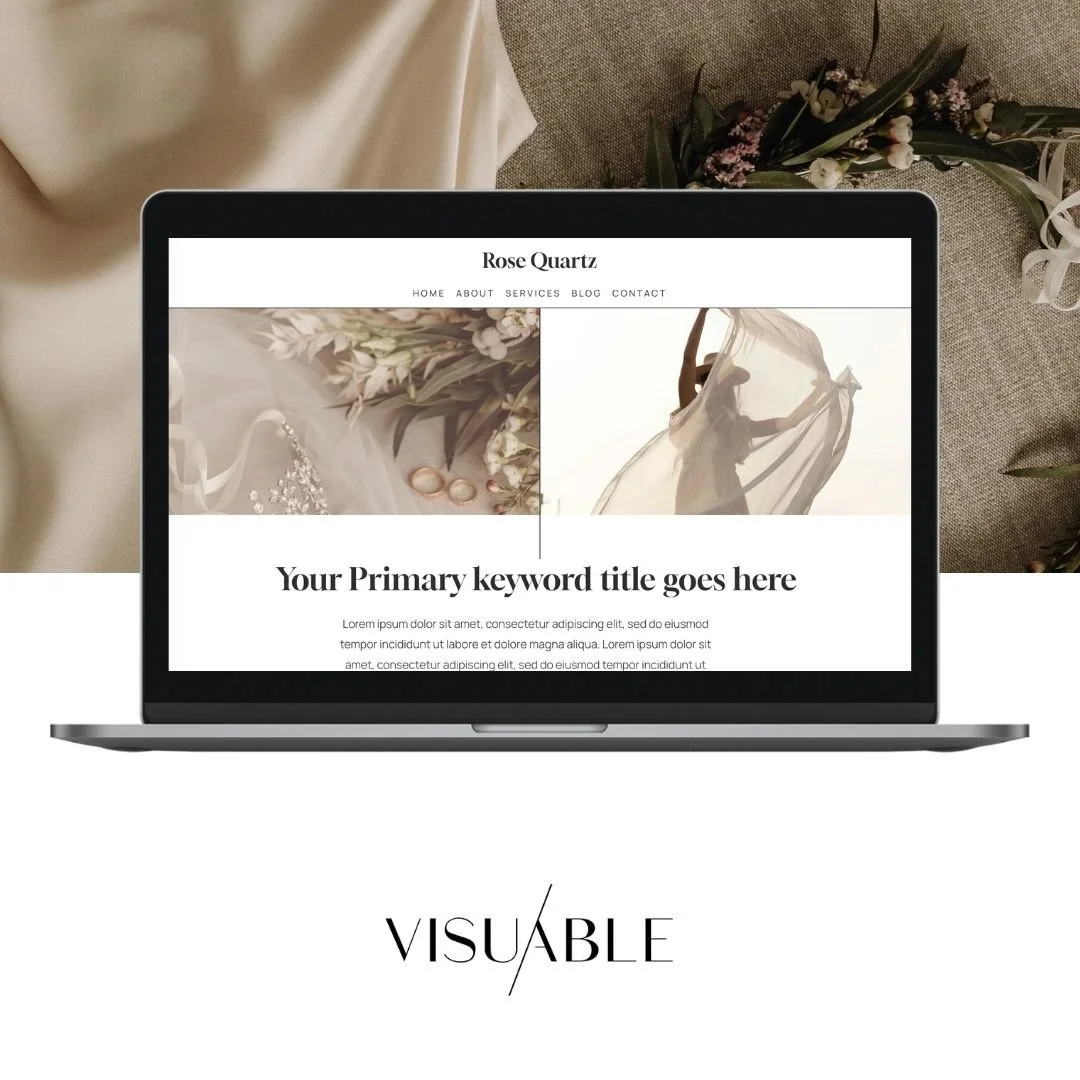
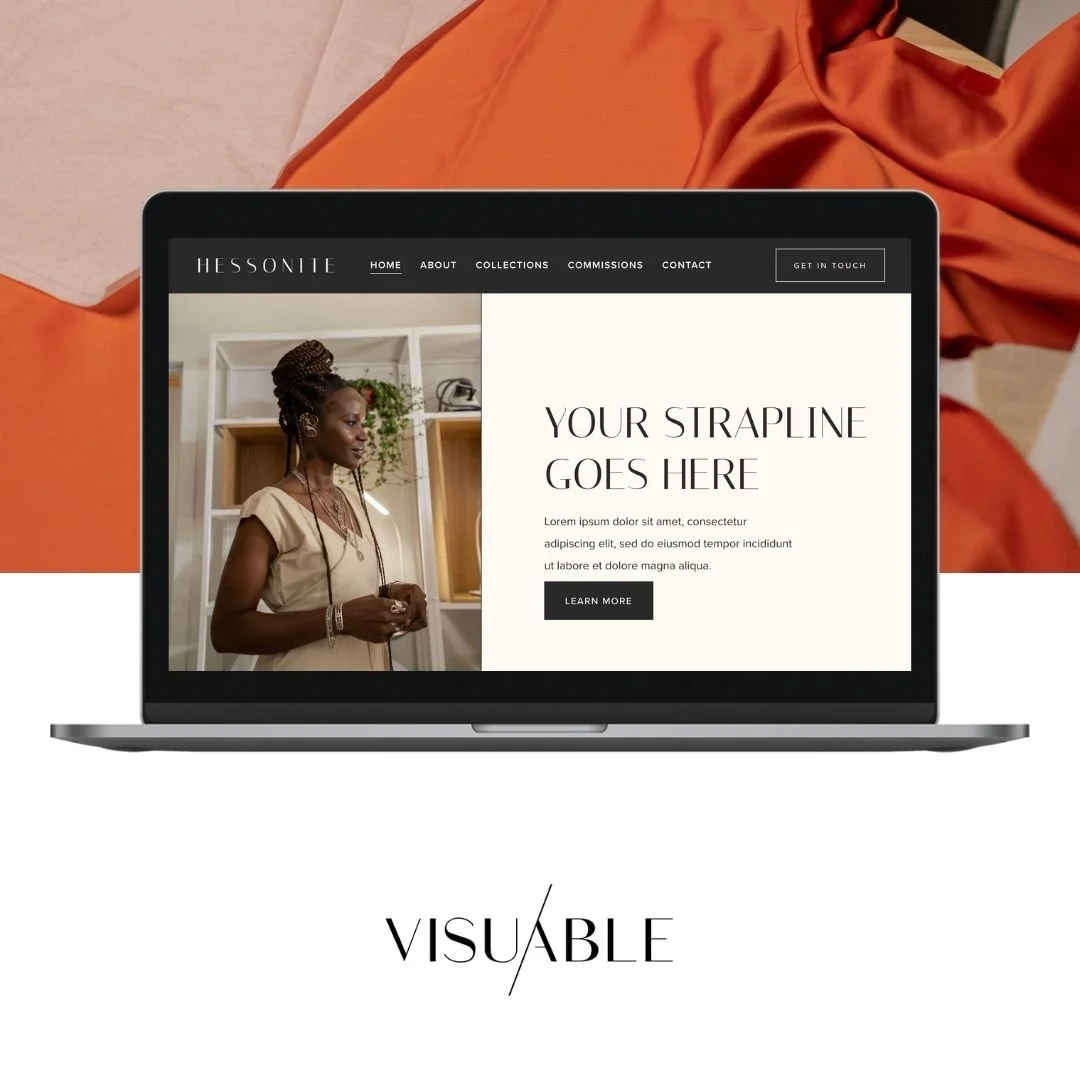
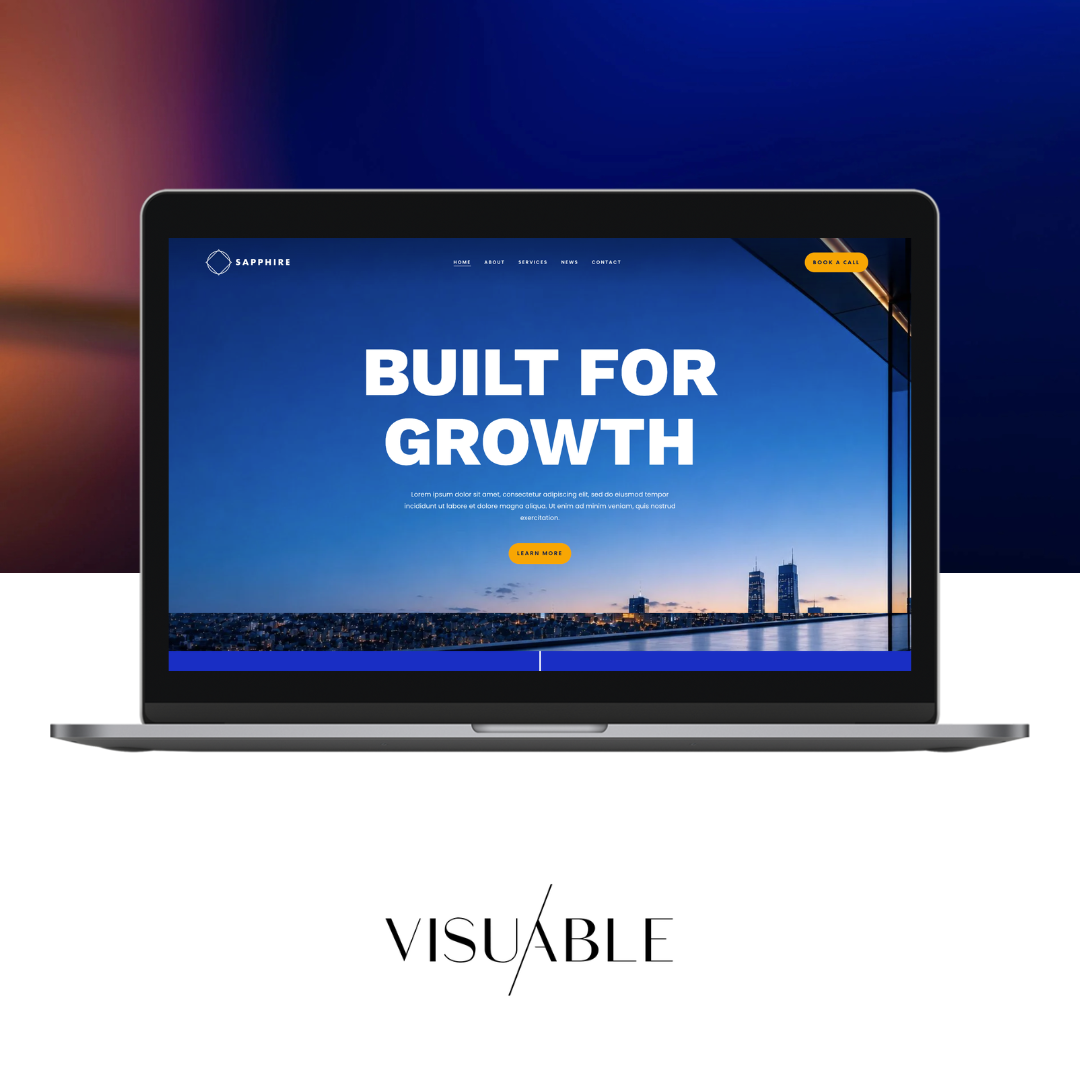
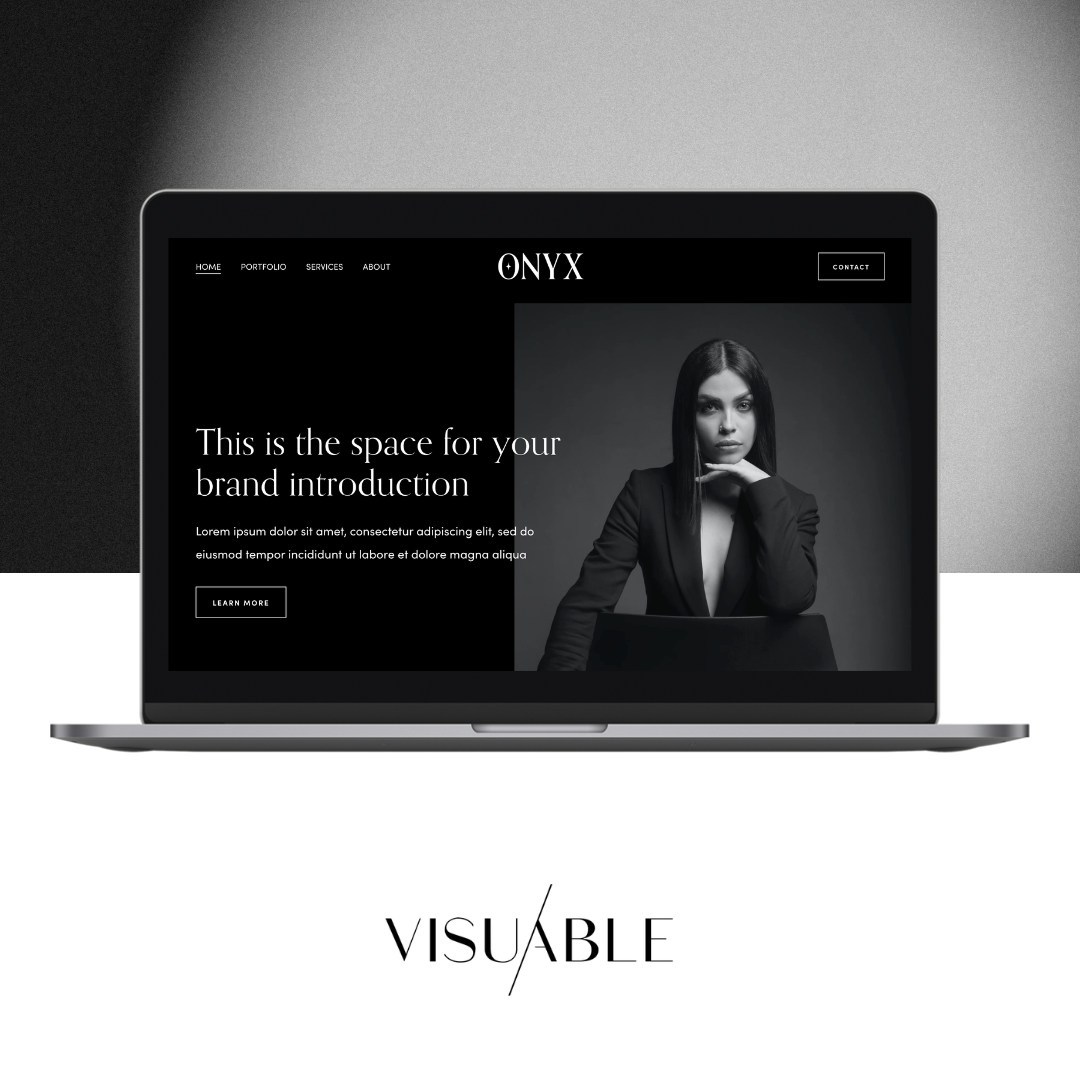
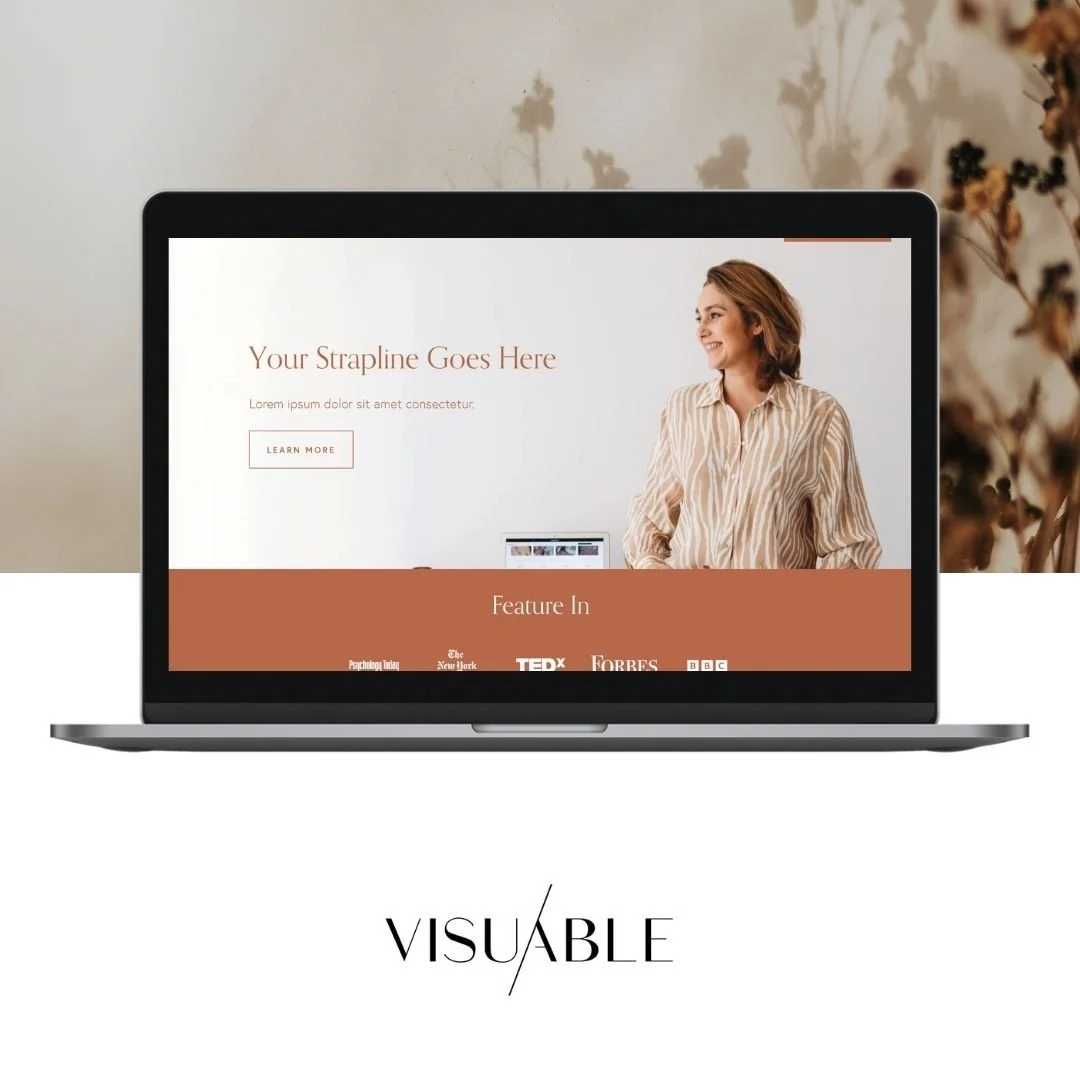
Instead of overwhelming visitors with information, it helps you present your message with clarity and intention. This aligns perfectly with Visuable’s approach to combining strategy and creativity to create websites that truly perform.
Why Editorial Design Matters for Your Website
A well-designed website is not just about aesthetics. It directly impacts how users interact with your brand.
When editorial design principles are applied effectively, your website can:
Guide users through content effortlessly
Improve readability and comprehension
Highlight key messages and calls to action
Create a more immersive brand experience
The result is simple. Visitors stay longer, engage more, and feel confident taking the next step with your brand.
Creating Clear Visual Hierarchy
One of the core principles of editorial design is visual hierarchy. This is how you organise elements on a page to show what matters most.
On a website, this means using headings, spacing, and typography to guide the reader’s eye.
Think about how a magazine article works. You notice the headline first, then the subheading, then the body text. Your website should follow the same logic.
When done well, visual hierarchy:
Makes your content easier to scan
Helps users find information quickly
Reinforces your key messages
Without it, even the best content can feel overwhelming or confusing.
Designing for Readability, Not Just Style
Beautiful design means very little if your content is hard to read. Editorial design prioritises readability, ensuring your message is accessible to everyone.
This includes choosing clean, legible fonts, using appropriate line spacing, keeping paragraphs short and easy to digest, and balancing text with white space to create a calm and readable experience.
White space is especially important. It gives your content room to breathe and allows your audience to focus on what matters.
A cluttered website can feel stressful. A well-spaced layout feels calm, intentional, and inviting.
Using Layout to Tell a Story
Editorial design is not just about structure. It is about storytelling.
Every page on your website should take your audience on a journey. From the moment they land, they should feel guided towards understanding your brand and taking action.
This is where layout plays a key role.
A strategic layout helps you:
Introduce your brand clearly
Build trust through storytelling
Showcase your services or products
Lead into a strong call to action
Instead of random sections, your website becomes a carefully crafted narrative.
Bringing Consistency Across Your Website
Consistency is what makes your brand feel professional and trustworthy. Editorial design ensures that every page follows the same visual language.
This includes maintaining consistent typography and font sizes, using a cohesive colour palette, repeating layout patterns across pages, and aligning spacing and margins to create a polished and unified look.
When your website feels consistent, users can navigate it with ease. They do not have to relearn how things work on each page.
This creates a smoother experience and strengthens your brand identity.
Balancing Visuals and Content
Editorial design is about balance. Too much text can feel overwhelming, while too many visuals can distract from your message.
The key is to combine both in a way that enhances understanding.
Images, graphics, and visual elements should support your content, not compete with it. They should:
Break up long sections of text
Reinforce your message
Add emotional depth to your brand
When visuals and content work together, your website becomes more engaging and memorable.
Designing for User Experience
At its core, editorial design is about the reader. In the digital world, that means user experience.
Every design decision should make it easier for your audience to navigate your website and take action.
This includes creating clear navigation menus, ensuring a logical flow of content, placing calls to action where they are easy to find, and designing layouts that work seamlessly across mobile devices.
A well-designed website does not make users think. It feels intuitive from the very first click.
How Editorial Design Supports SEO
Editorial design does more than improve aesthetics. It also supports your SEO strategy.
Search engines value websites that are structured, readable, and user-friendly. When you apply editorial design principles, you naturally create content that performs better in search results.
For example:
Clear heading structures improve keyword relevance
Readable layouts reduce bounce rates
Well-organised content increases time on page
When design and SEO work together, your website becomes both beautiful and discoverable.
Turning Design Into a Strategic Advantage
Editorial design is not just a trend. It is a strategic approach to building better websites.
When you invest in thoughtful design, you are not just improving how your site looks. You are improving how it works for your audience and your business.
At Visuable, we see design as a tool for growth. By combining editorial principles with brand strategy, copywriting, and SEO, we create websites that feel aligned, engaging, and built to convert.
Final Thoughts on Editorial Design
Editorial design has the power to completely transform your website. It brings clarity, structure, and storytelling to every page.
When done right, it helps your audience connect with your brand, understand your message, and take action with confidence.
If your website feels cluttered, confusing, or disconnected, editorial design could be the missing piece. With the right strategy in place, you can create a digital experience that not only looks beautiful but truly works for your business.
Ready to Elevate Your Website?
Great design is about more than aesthetics. It’s about creating a seamless experience that guides your audience, communicates your value, and inspires action. By applying editorial design principles to your website, you can transform scattered content into a clear, engaging story that strengthens your brand and supports your business goals.
If you're ready to create a website that looks beautiful, feels intuitive, and works harder for your business, investing in strategic design is the perfect place to start. Your audience deserves an experience that captures their attention and keeps them engaged from the first click to the final call to action.
FAQs
-
Editorial design in web design focuses on structuring content with clear hierarchy, typography, and layout to improve readability and user experience.
-
It helps users navigate content easily, improves engagement, and creates a more professional and cohesive brand experience.
-
Yes. It supports SEO by improving content structure, readability, and user engagement, which are key ranking factors.
-
Absolutely. A well-structured layout guides users towards key actions, making it easier for them to enquire, book, or purchase.
Related Blogs