Mood boards: why every brand project should start with one

Starting an online business can feel exciting and overwhelming at the same time. The good news is that learning how to build an online store doesn’t have to be complicated. With the right strategy, tools, and mindset, you can create a store that not only looks beautiful but also converts visitors into loyal customers.
In this guide, we’ll walk you through the essential steps to help you build an online store that grows with your business.
Why Building an Online Store Is a Smart Move
An online store gives you the freedom to sell anytime, anywhere. It allows you to reach a global audience while maintaining full control over your brand experience.
More importantly, it creates an opportunity to:
Increase your revenue streams
Build a recognisable brand
Connect directly with your customers
Scale your business at your own pace
Whether you’re selling physical products, digital downloads, or services, your online store becomes the foundation of your digital presence.
Step 1: Define Your Store Strategy
Before jumping into design or platforms, take a moment to clarify your direction. A strong strategy will save you time and help you make better decisions as you build.
Ask yourself:
What products or services am I selling
Who is my ideal customer
What problem does my store solve
What makes my brand different
When you’re clear on these points, your store will feel more focused and intentional. This is where brand strategy plays a key role in shaping how your store looks, sounds, and performs.
Step 2: Choose the Right E-commerce Platform
One of the most important steps in building an online store is choosing the right platform.
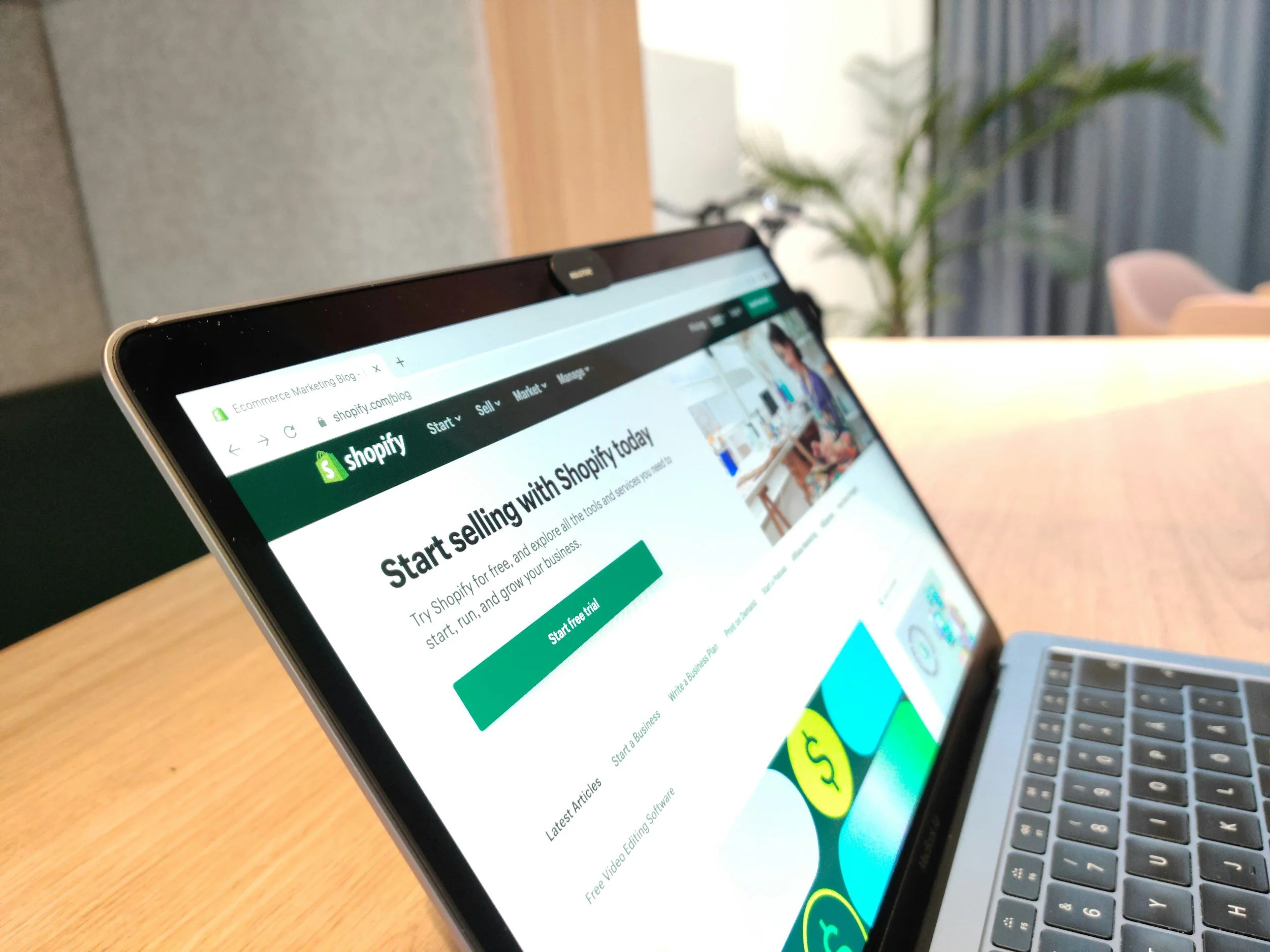
Popular options include Squarespace and Shopify, both offering powerful tools to get your store live quickly. The choice depends on your needs:
Squarespace works beautifully for smaller stores and brands that prioritise design and simplicity.
Shopify is ideal for larger stores that need advanced features like inventory management and integrations.
At Visuable, we often recommend selecting a platform that aligns with your long-term goals, not just your current needs. A scalable foundation will support your growth without needing a full rebuild later.
Step 3: Design a Store That Converts
Your website design is more than just aesthetics. It shapes how people experience your brand and influences whether they choose to buy.
A high-performing online store should:
Be easy to navigate
Load quickly across all devices
Highlight your products clearly
Guide users towards checkout effortlessly
Great design combines creativity with strategy. For example, clear layouts, strong calls to action, and consistent branding all contribute to higher conversions.
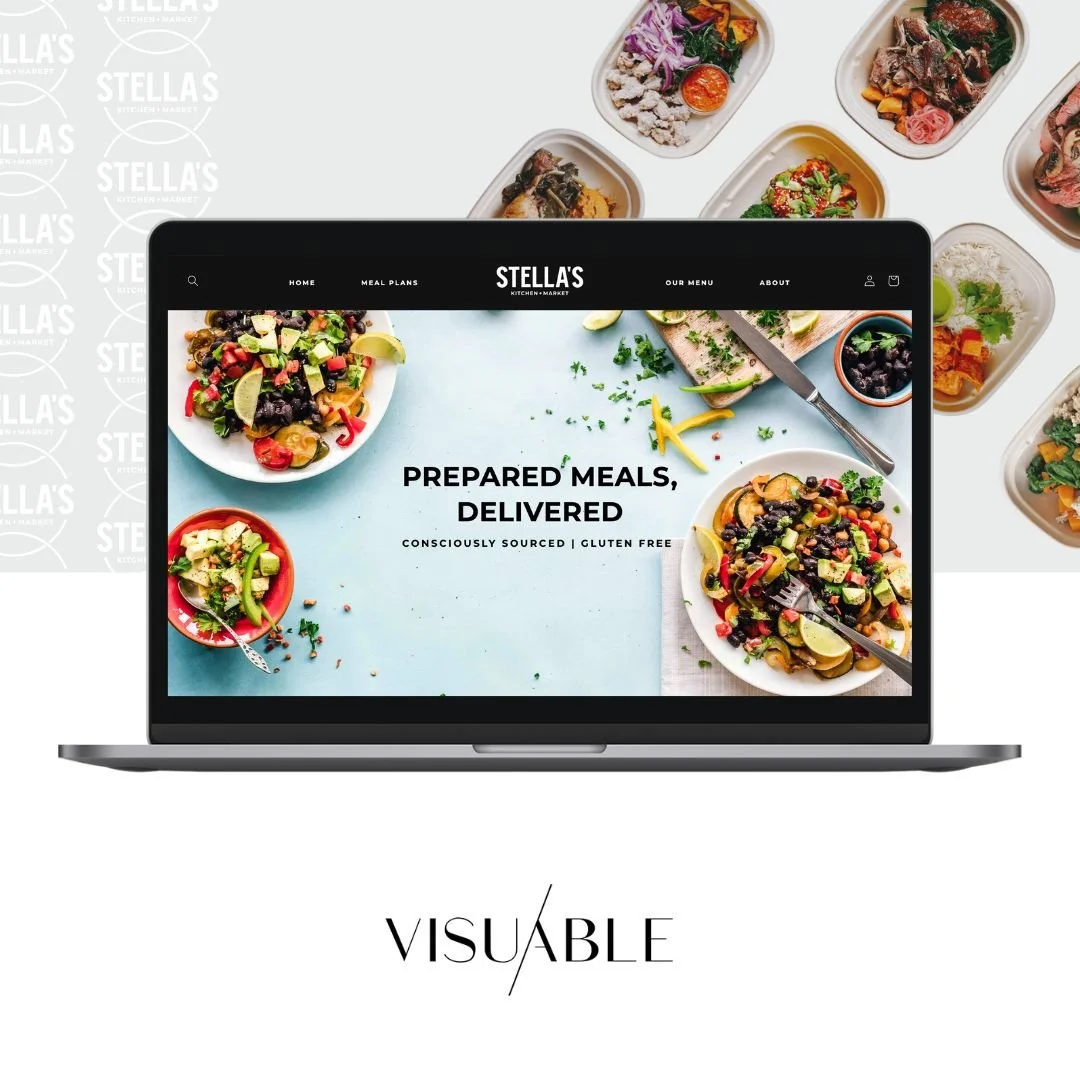
If you’d like to see what this looks like in action, you can explore how we’ve helped brands create impactful e-commerce experiences through our portfolio.
Step 4: Create Product Pages That Sell
Your product pages are where decisions happen. This is where visitors turn into customers.
Focus on creating pages that are:
Clear: Use simple, benefit-driven descriptions
Visual: Include high-quality images from multiple angles
Trustworthy: Add reviews, testimonials, or guarantees
Actionable: Make the “buy” process easy and intuitive
Strong copywriting plays a key role here. When your messaging connects with your audience, it builds confidence and encourages action.
Step 5: Set Up Payments, Shipping, and Integrations
To run your store smoothly, you’ll need to set up the technical side of things.
This includes:
Payment gateways like Stripe or PayPal
Shipping options and pricing
Email marketing integrations
Analytics tools to track performance
These elements work together to create a seamless experience for your customers. When everything flows smoothly, it builds trust and increases the likelihood of repeat purchases.
Step 6: Optimise for SEO from the Start
If you want your store to be found online, SEO is essential.
When learning how to build an online store, it’s important to think about search visibility early on. This ensures your site is structured in a way that search engines understand.
Key SEO elements include:
Keyword-optimised product and page titles
Clear heading structure
Fast loading speed
Mobile-friendly design
Meta titles and descriptions
A strong SEO foundation helps your store attract organic traffic and grow sustainably over time. According to Visuable’s approach, technical SEO setup is a core part of building a high-performing website.
Step 7: Launch and Continuously Improve
Once your store is live, the journey doesn’t stop there. In fact, this is where growth really begins.
Pay attention to how users interact with your site. Look at what’s working and where people drop off. Small improvements can lead to significant results over time.
You might:
Update product descriptions based on customer feedback
Improve page speed or mobile experience
Test different layouts or calls to action
Add new products or collections
Building an online store is an ongoing process. The more you refine and optimise, the stronger your results will be.
Final Thoughts on How to Build an Online Store
Learning how to build an online store is about more than just launching a website. It’s about creating a strategic, user-friendly experience that supports your business growth.
When you combine clear positioning, thoughtful design, and strong SEO, your store becomes a powerful tool for attracting and converting customers.
If you’re ready to take your store to the next level, working with a strategic partner can make the process smoother and more impactful. From design to SEO and integrations, having the right support ensures every element works together seamlessly.
Frequently Asked Questions
-
It depends on the complexity of your project. A simple store can be launched in a few weeks, while a more advanced e-commerce website may take a couple of months.
-
Not necessarily. Platforms like Squarespace and Shopify are designed to be user-friendly. With the right guidance, you can manage your store confidently.
-
Squarespace is a great option for beginners who want simplicity and beautiful design. Shopify is better suited for larger or more complex stores.
-
Costs vary depending on your needs. A professionally designed e-commerce website is an investment that supports long-term growth and performance.
Related Blogs