What Is a Brand — And How Do You Create One That Actually Stands Out?

A brand is not your logo.
It’s not your colours.
It’s not your Instagram grid.
And it’s definitely not just your website.
So what is a brand?
A brand is the perception people hold about you when you are not in the room.
It is the feeling your business creates. The expectations it sets. The reputation it builds over time. A brand lives in the mind of your audience — but it is shaped by the decisions you make strategically.
If you have ever wondered what a brand is and how to create one that feels clear, confident, and memorable, you are asking the right question.
Because building a brand is not accidental. It is intentional.
Let’s break it down properly.
“A brand is the intangible feeling that you create in your audience’s mind.
It’s what differentiates you and your product or service from all of your competitors and it’s the sum of all parts that come together to create a complete experience and impression that your business makes on its audience.”
At its core, a brand is the combination of your positioning, personality, messaging, and visual identity working together to communicate who you are and why you matter.
It is how people recognise you.
It is how they describe you.
It is why they choose you over someone else.
Two businesses can offer the same service at similar price points. The one with a clear, cohesive brand will almost always feel more trustworthy and more valuable.
Why?
Because clarity builds confidence.
When someone lands on your website or hears about your business, they make assumptions quickly. Is this premium? Is it reliable? Is it innovative? Is it warm and personal? Is it corporate and structured?
Those impressions form within seconds.
That is the power of a brand.
So when we ask, what is a brand, the answer goes far beyond visuals. A brand is a strategic framework that guides how your business shows up consistently across every touchpoint.


Why Every Business Needs a Brand
You may think branding is only important for large companies or global names.
It is not.
Startups, service providers, consultants, creatives, and e-commerce businesses all benefit from strong branding. In fact, the earlier you build your brand intentionally, the easier growth becomes.
Without a clear brand, businesses often struggle with:
Inconsistent messaging
Unclear positioning
Price sensitivity
Low perceived value
Attracting misaligned clients
When branding is strong, the opposite happens. Your marketing becomes easier because your positioning is defined. Your website copy feels clearer because your message is grounded in strategy. Your audience understands who you serve and why.
A brand reduces friction.
It makes decisions simpler — for both you and your customers.
The Difference Between a Business and a Brand
A business sells a product or service.
A brand creates meaning around that product or service.
You can technically run a business without branding. But it will rely heavily on price, constant promotion, or short-term tactics to compete.
A brand creates long-term value.
Think of it this way: a business explains what it does. A brand explains why it matters.
That emotional layer is what builds loyalty. It is what allows businesses to grow sustainably rather than constantly fighting for attention.
The Core Elements That Form a Strong Brand
If a brand is more than a logo, what actually creates it?
Every strong brand rests on four interconnected foundations: strategy, positioning, messaging, and visual identity.
It begins with strategy. Before colours or typography are chosen, there must be clarity around who the brand serves, what problem it solves, and how it is different from competitors. This stage defines the direction of everything that follows.
Positioning builds on that strategy. It determines how you sit within your market. Are you premium or accessible? Niche or broad? Bold or understated? Positioning influences perception.
Messaging gives your brand a voice. It shapes how you communicate your values, services, and promises. Strong messaging feels confident and clear rather than vague or generic.
Visual identity brings the brand to life visually. Logo design, typography, colour palette, imagery style, and layout work together to reinforce your positioning.
When these elements align, your brand feels cohesive rather than fragmented.
Without alignment, branding feels confusing.

Need help creating your brand?
During the Brand Mentorship call with Creative Director, Lidia you’ll go over three key strategic areas of your business (brand identity, target audience, and product range) to ensure that your brand communicates your value, has a clear competitive advantage, and is positioned for success.
Define – Create – Grow
How to Create a Brand From Scratch
If you are starting fresh, the temptation is to begin with visuals. Many founders open Pinterest or Canva before asking deeper strategic questions.
The better approach is slower — and far more powerful.
Begin with clarity.
Define your audience carefully. Not everyone is your ideal client. The more specific you are, the stronger your brand will become. Consider their needs, desires, and challenges.
Next, articulate your value clearly. What transformation do you provide? What makes your approach different? Why should someone choose you?
Only after this foundation is clear should you move into naming, logo design, colour selection, and website creation.
Design should support strategy — not replace it.
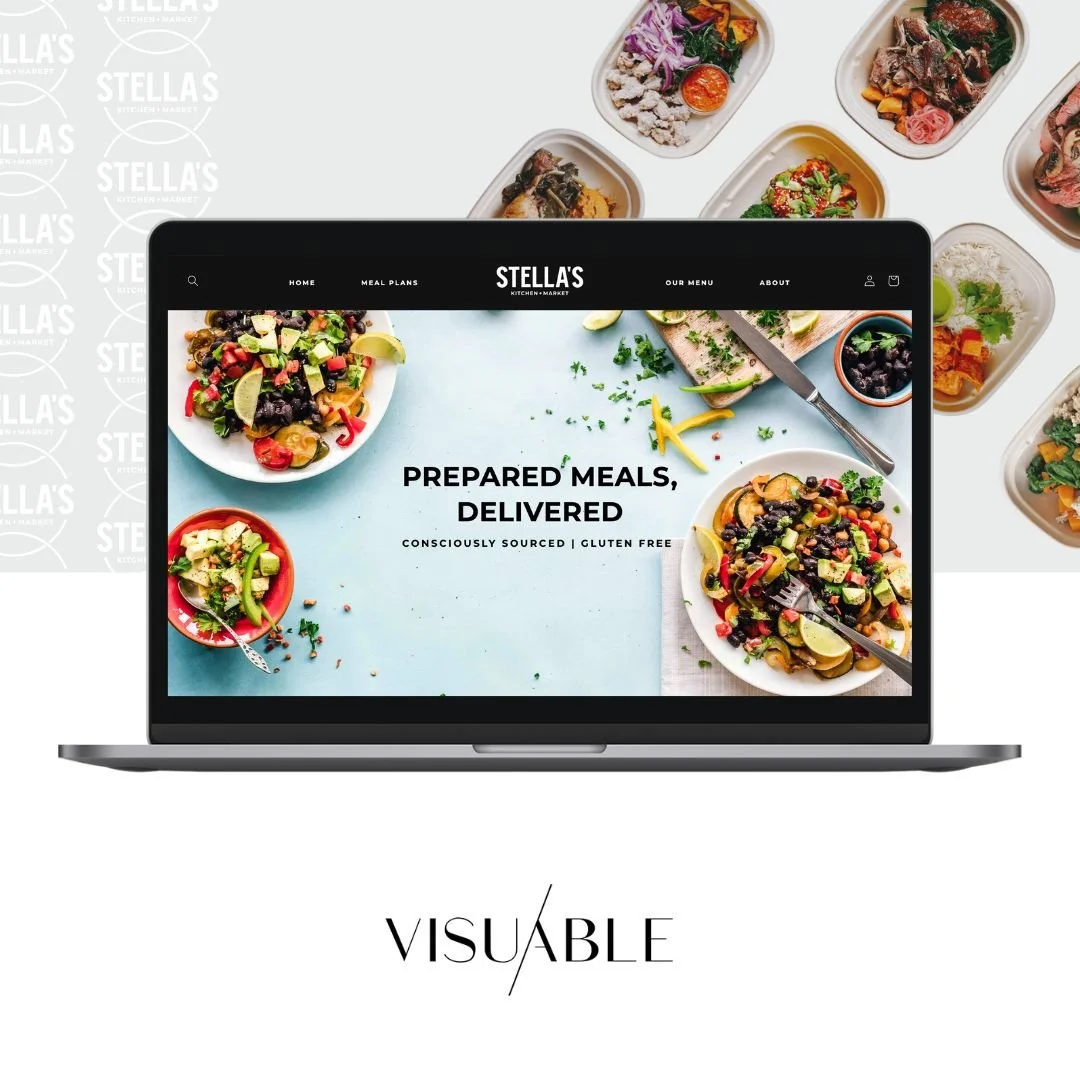
Once visuals are developed, your website becomes the digital home of your brand. It should communicate your positioning instantly. Layout, copy, and structure must guide visitors naturally toward understanding your offer and taking action.
Finally, search engine optimisation ensures your brand is discoverable. You can build the most beautiful brand in the world, but if your audience cannot find you, growth becomes limited. Strategic SEO supports long-term visibility.
Creating a brand is not a one-day task. It is a layered process.
But when done correctly, it creates a powerful foundation for everything that follows.
Want to focus on building your personal brand?
Check out our dedicated article: What Is Personal Branding — it dives into how to express your individual identity, values, and expertise to connect authentically with your audience.


Common Branding Mistakes to Avoid
Many businesses struggle with branding not because they lack talent, but because they skip strategy.
One of the most common mistakes is trying to appeal to everyone. When messaging becomes too broad, it loses impact. Strong brands speak clearly to a defined audience.
Another mistake is inconsistency. Visual identity, tone of voice, and messaging must align across website, social media, and marketing materials. If each platform feels different, trust weakens.
Overcomplicating design is another issue. Branding should feel refined and intentional, not cluttered or overwhelming. Simplicity often communicates confidence more effectively than excess.
Lastly, some businesses treat branding as a one-time task. In reality, brands evolve. As your business grows, your branding may need refinement to reflect new positioning or ambition.


How Long Does It Take to Build a Brand?
There is no universal timeline.
A foundational brand identity can be developed within a few weeks when guided by clear strategy. However, brand reputation builds over time through consistent delivery and communication.
Think of branding in two layers.
The first layer is internal clarity and external identity. This can be built deliberately and relatively quickly with the right support.
The second layer is perception. That grows as your audience interacts with your business repeatedly.
Consistency accelerates both.

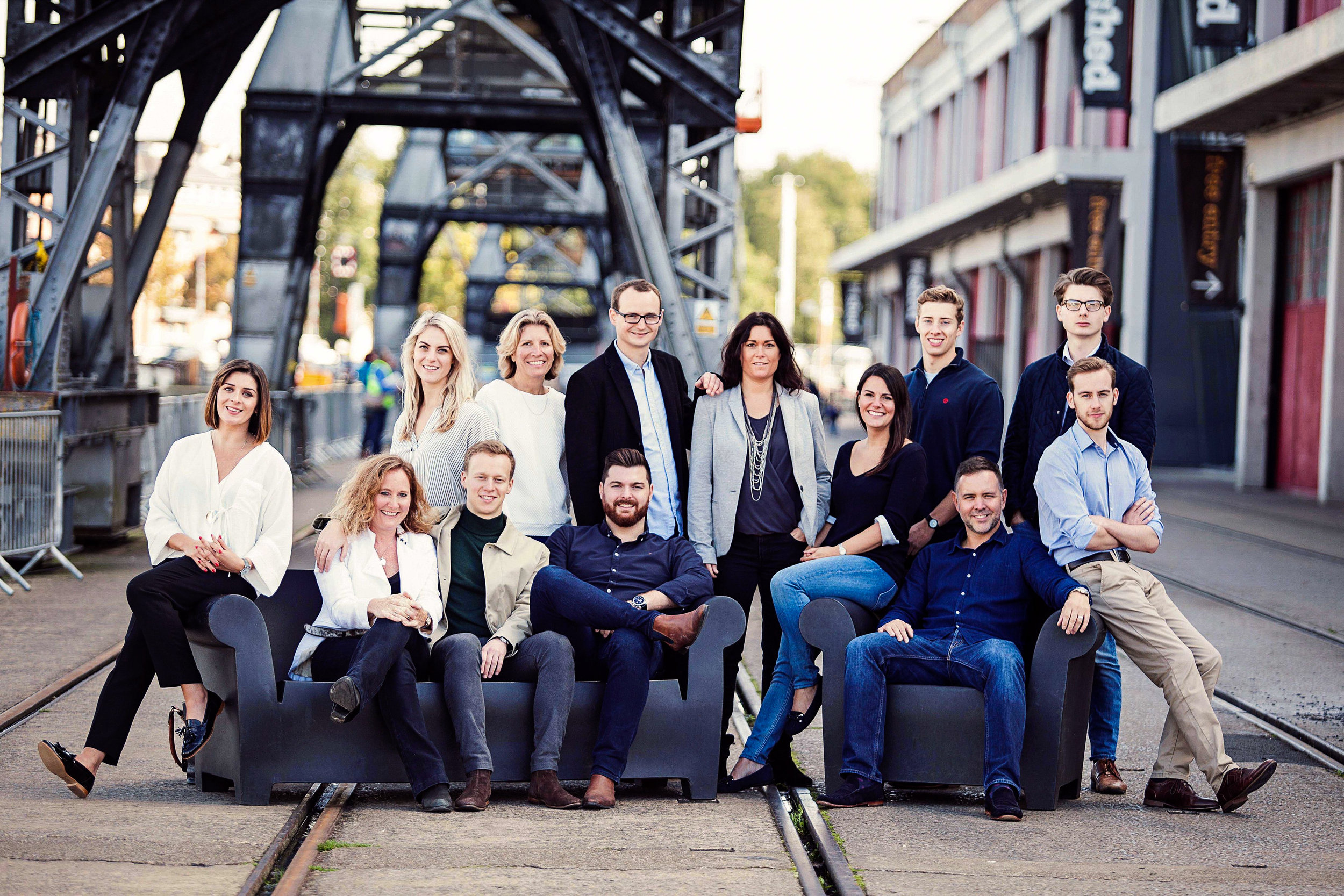

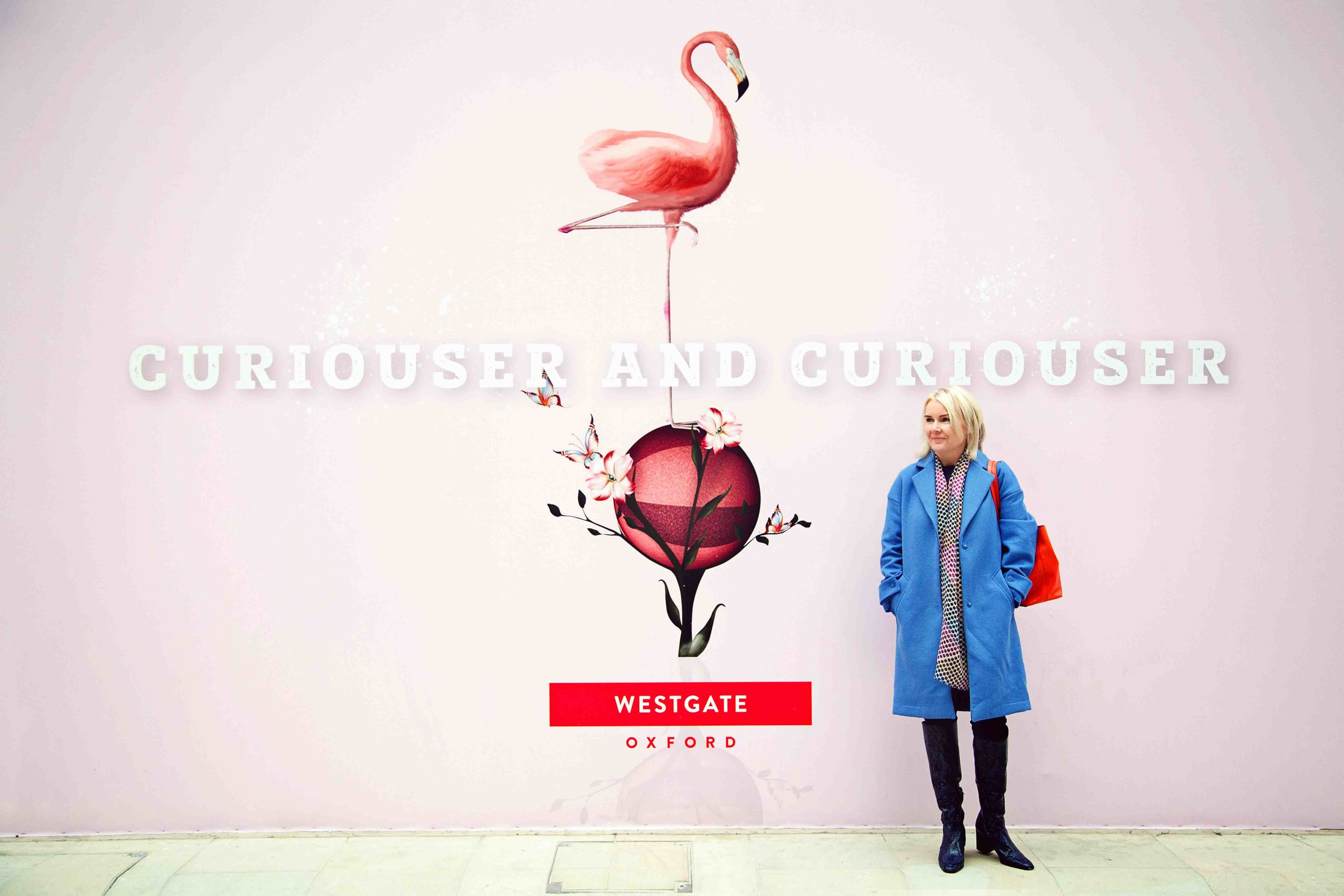
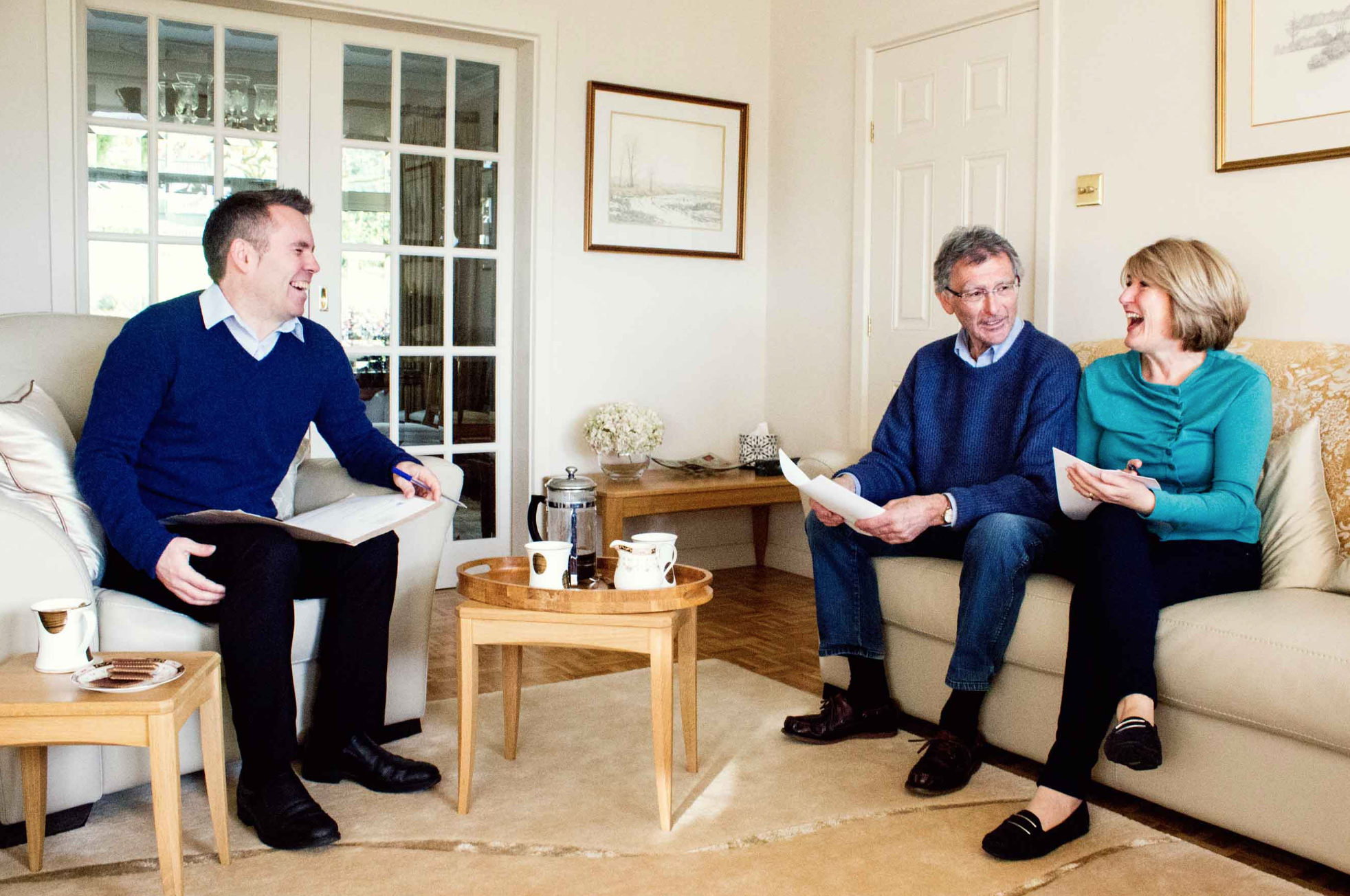


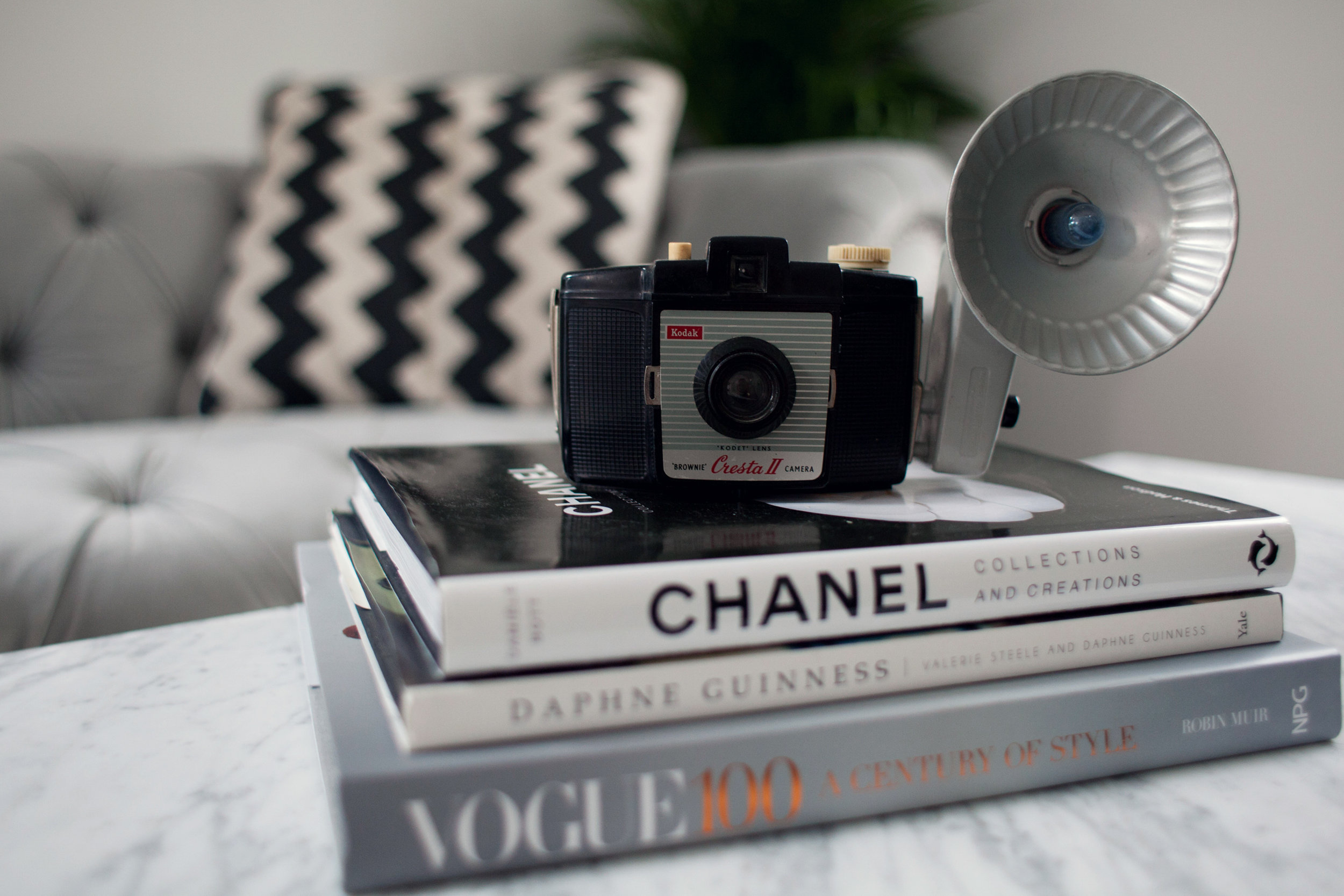
Brand Photoshoot in Bristol by Visuable







Is Branding Worth the Investment?
If you want to grow sustainably, yes.
Branding influences how your audience perceives value. It shapes whether clients see you as premium or interchangeable. It determines whether your business feels trustworthy or uncertain.
Investing in branding saves time long-term because it reduces confusion. It improves conversion rates because messaging is clear. It strengthens authority because positioning is defined.
Strong branding also supports pricing confidence. When your brand communicates professionalism and expertise clearly, clients expect quality — and are willing to pay for it.
It is not about aesthetics alone. It is about strategic alignment.


Final Thoughts: What Is a Brand?
So, what is a brand?
A brand is the strategic expression of who you are, what you stand for, and why your business exists.
It is the bridge between your expertise and your audience’s perception.
When built intentionally, it:
Clarifies your message
Elevates your authority
Increases perceived value
Strengthens trust
Supports long-term growth
Creating a brand is not about decoration. It is about direction.
And when your strategy, messaging, visual identity, website, and SEO work together, your brand becomes more than a visual system.
It becomes an experience.
If you are ready to create a brand that feels aligned, strategic, and designed for growth, the most powerful place to begin is with clarity — because everything else flows from there.
Need a simple introduction before diving deep into strategy and visuals?
Our post The Basics of Branding breaks down branding in clear, approachable terms — perfect if you're at the very beginning of your brand journey.

Get in touch!
If you would like some professional help from a team of digital branding experts, you can talk to us directly and we will be happy to answer any of your questions or simply have a chat.