Brand Image vs Brand Personality – what is the difference?

What is the difference between brand image, brand identity, and brand personality?
We all hear these terms: brand image, brand identity, and brand personality, but don’t they all basically mean the same thing? Simple answer: no. Despite them all falling under the ‘Brand’ umbrella, they are completely different concepts. In today’s blog, we are introducing the idea of why brand personality matters and how you can build a brand personality to find loyal customers.
But first, let’s clarify the definitions: brand identity vs. brand image vs. brand personality:
Brand identity is how the business wants to be perceived by its customers, it’s who you really are on the inside.
Brand image is the customers’ current view and perception of the brand, which may not be aligned with who you are.
Brand personality is a set of human characteristics and/or personality traits associated with a brand.
Want to build a brand from the ground up with personality, identity, and purpose?



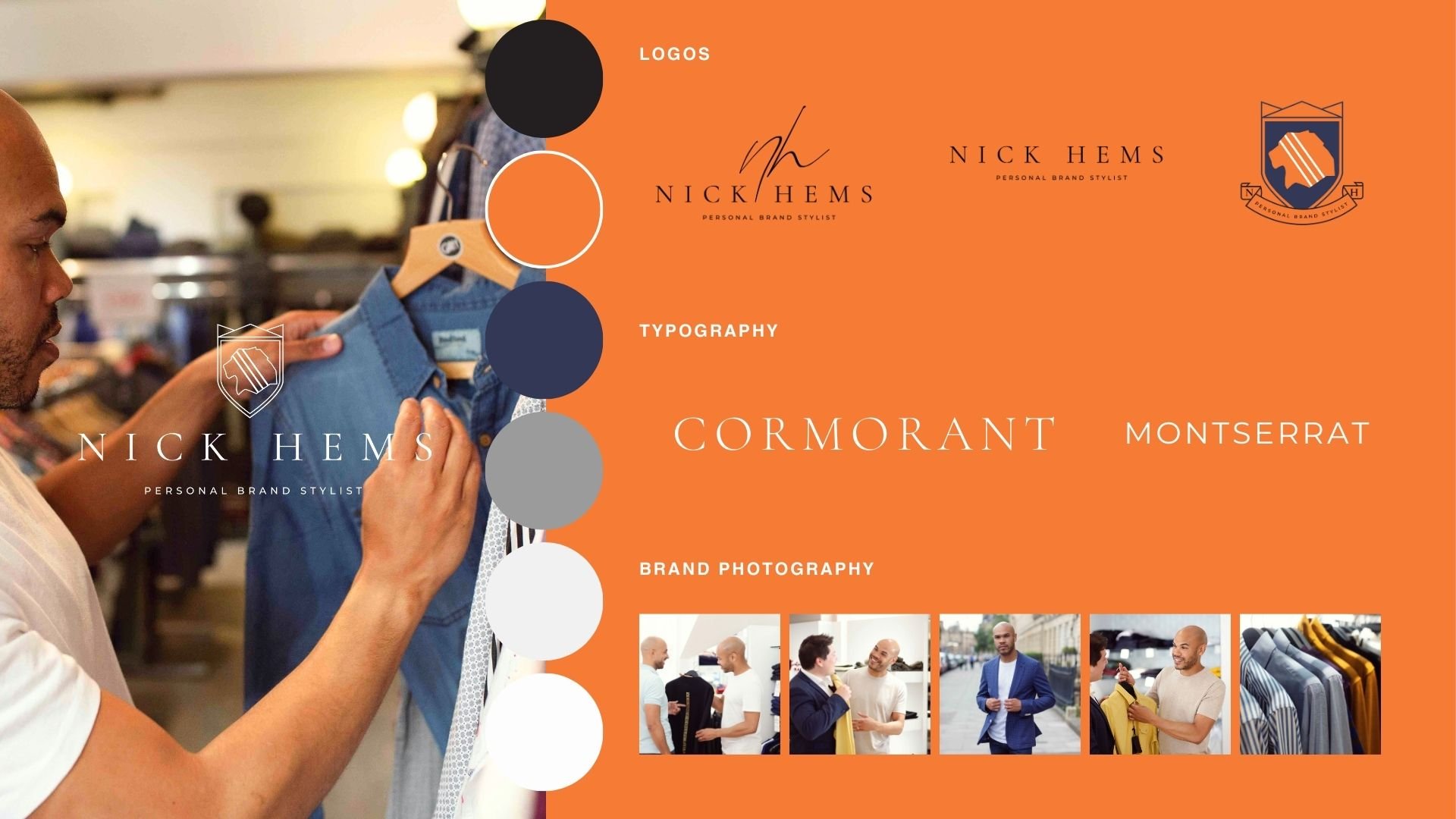
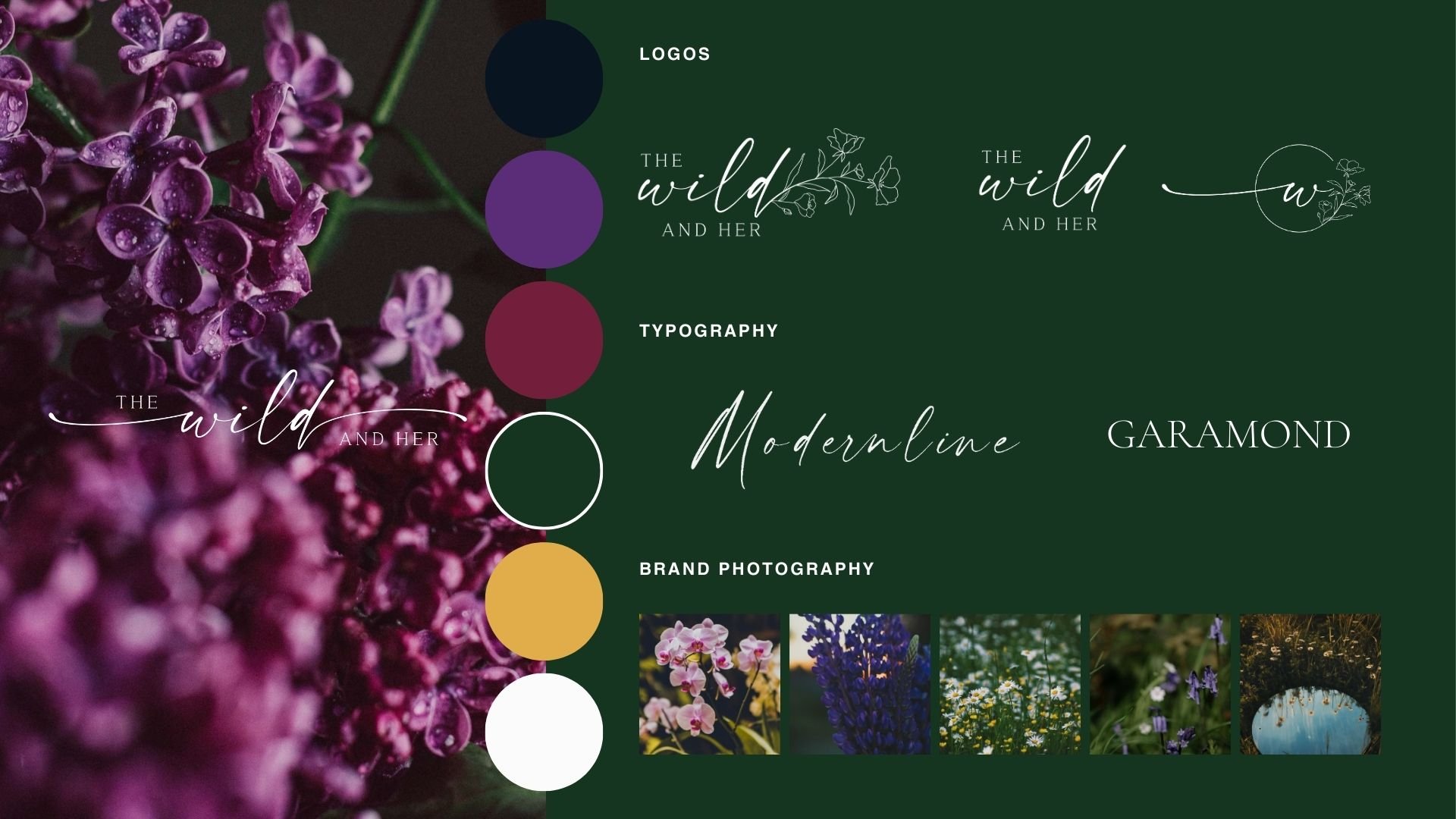
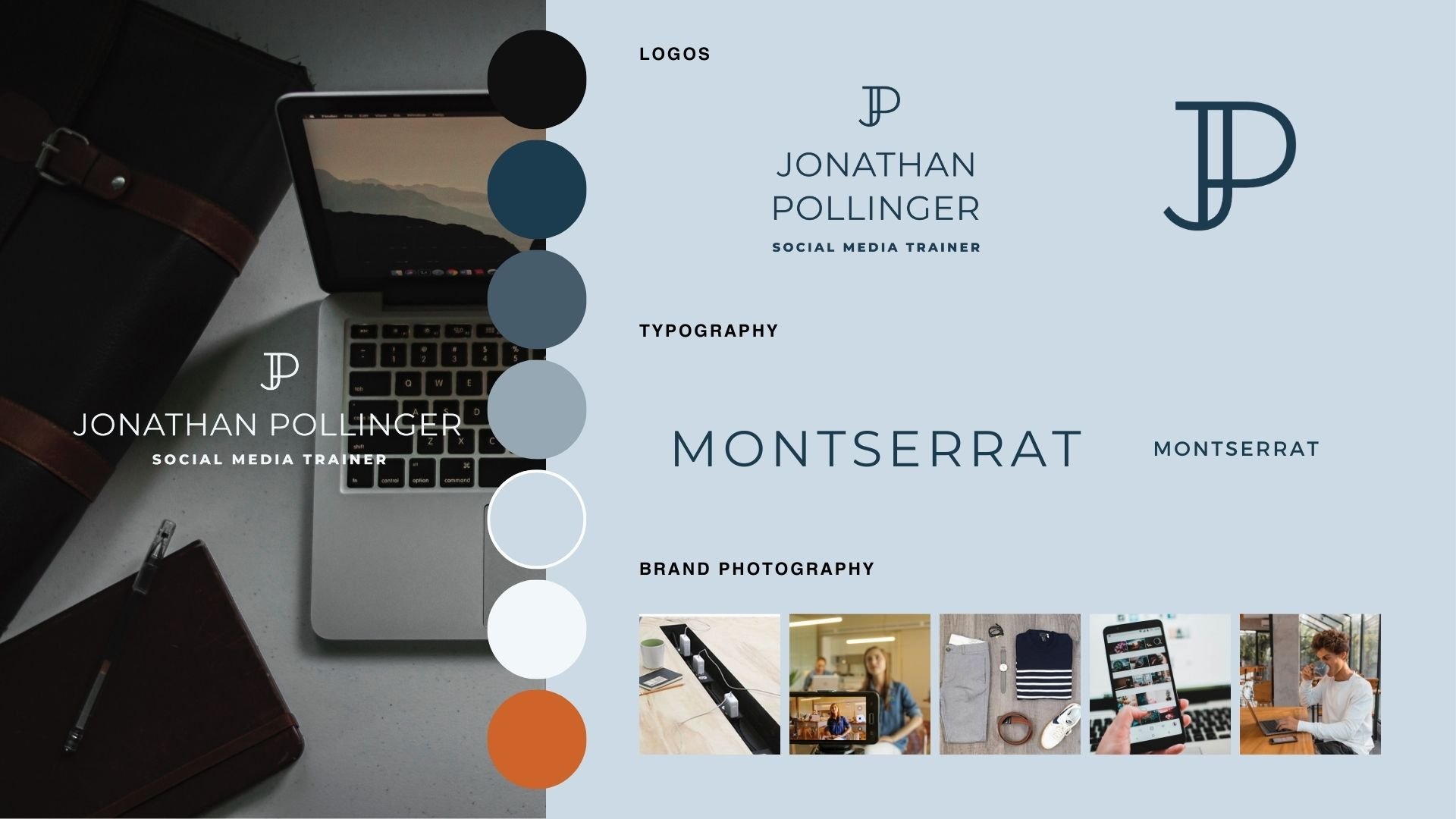
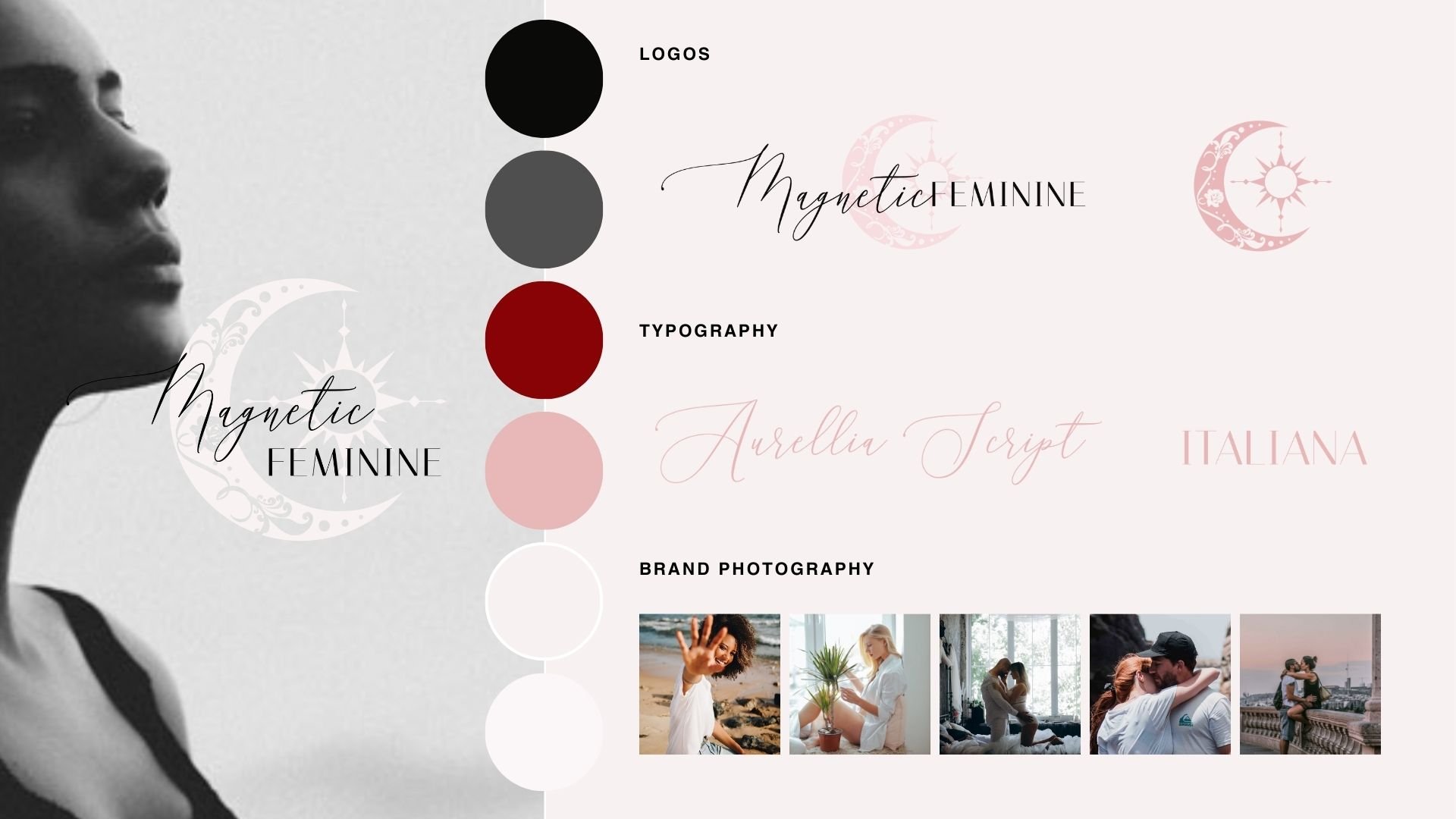
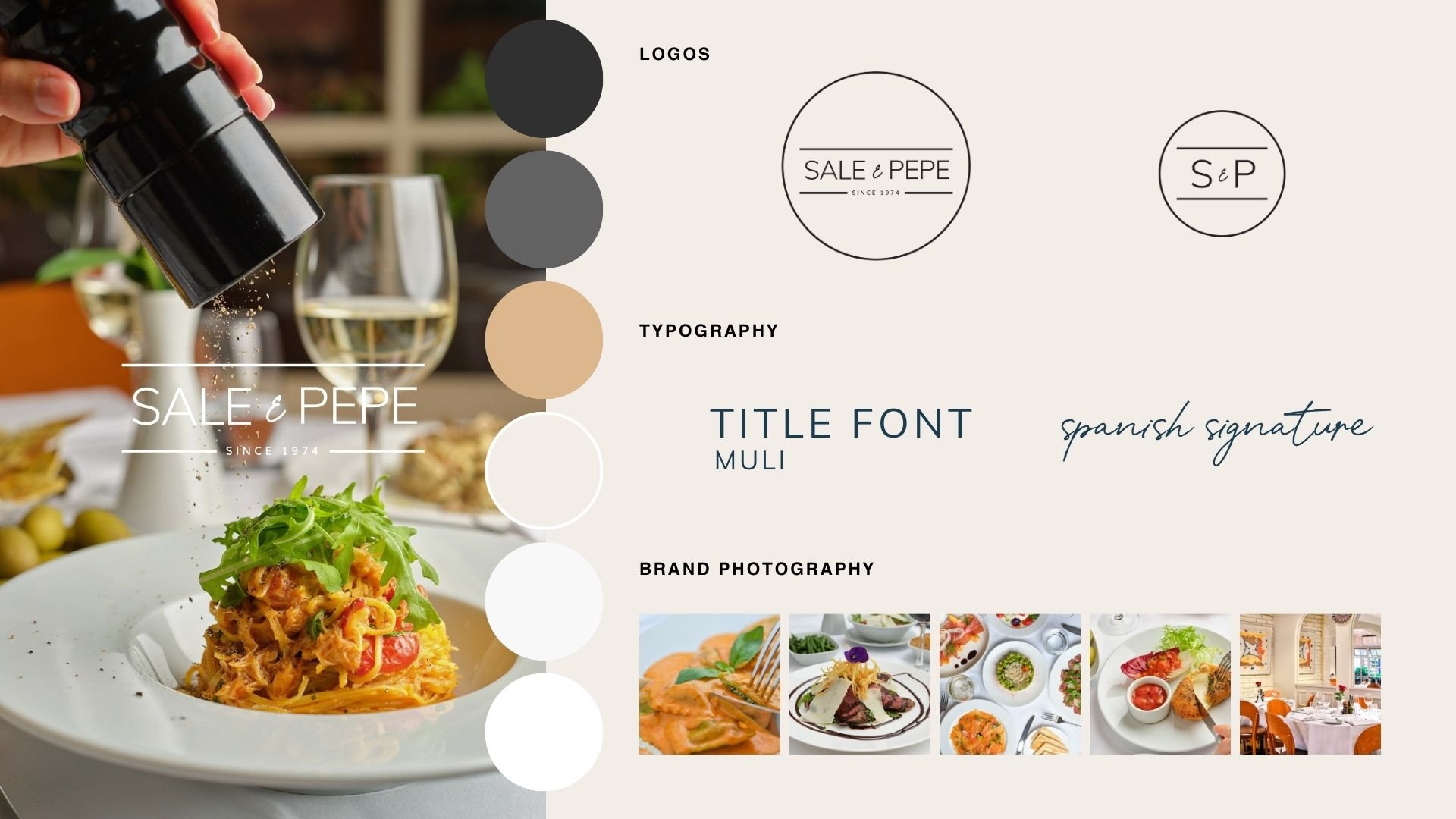
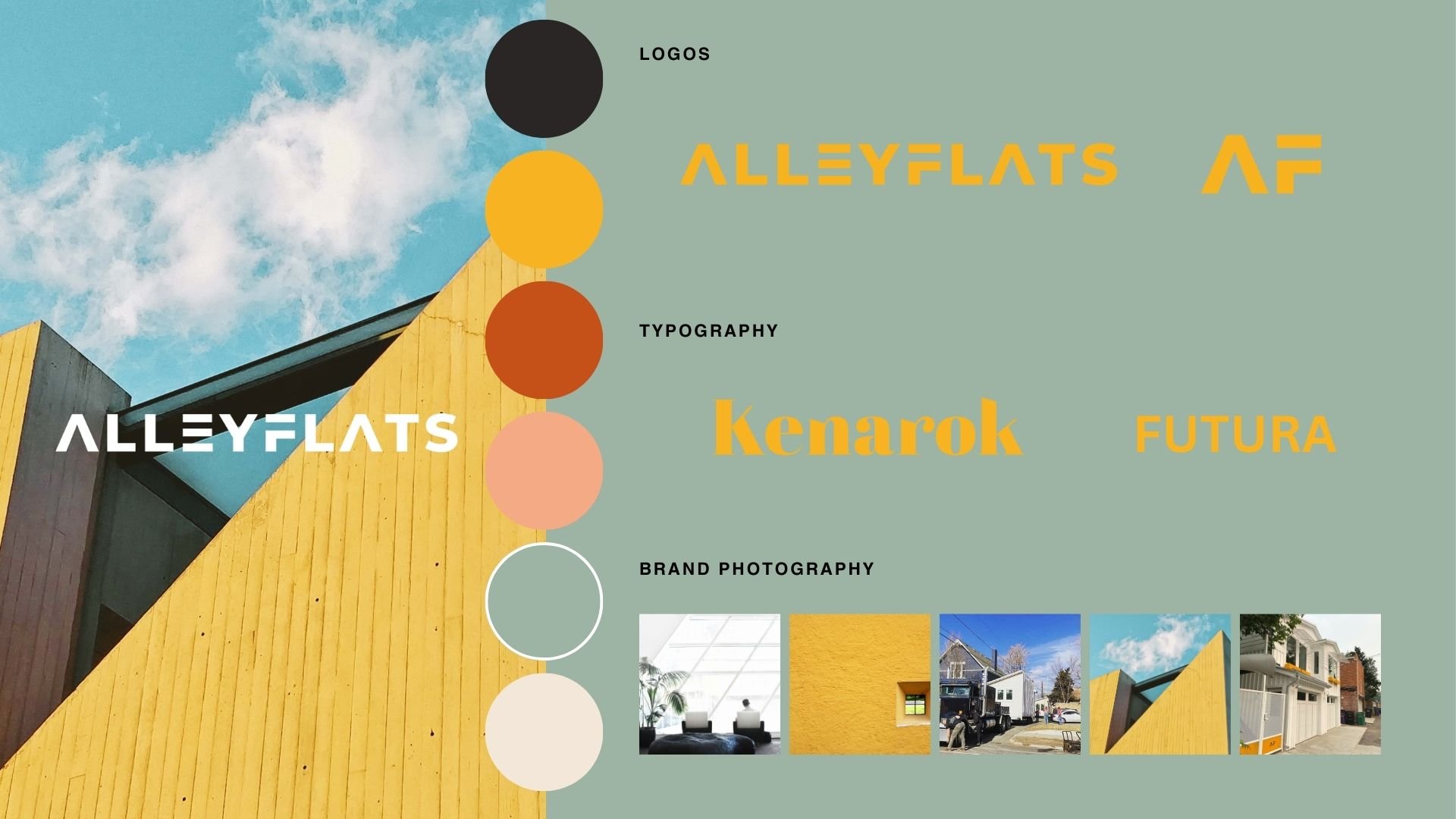
Why does brand personality matter?
Every single business exudes their own personality, and to ensure your business is successful, your brand personality needs to be unique so that it can shine above your competitors.
Just like you like your friends based on their personality, you would be attracted to brands that carry personality traits that appeal to you or potentially reflect your own characteristics.
With brand personality, you give a reason to your audience to pick your company over your competitors. Injecting personality into your brand is a way to achieve differentiation in a competitive industry.
How do you build your brand's personality?
The way you communicate with your future and existing customers says a lot about your company’s personality. Therefore, there are 3 key aspects that you should do to ensure you showcase this unique personality:
Personalise Your BRAND Interactions
Would you want to interact with someone that has zero personality? We doubt it. Make sure to personalise your interactions with everyone and anyone – whether it’s with an existing customer or not, and through every communication channel you use from social media to your website.
By taking the time to personalise your interactions with your enticing personality, you are not only attracting new customers, but are keeping your existing customers loyal, whilst ensuring they feel valued.

Tell Your Unique BRAND Story
Tell your audience your business story: How did everything start, who are the people behind the business, why are you doing what you do, what do you love about your business, what is your mission, and what does your business value?
Having a brilliant About page on your website is a great way of connecting and showcasing truly who you are. This also relates to your social media, showing off your personality, and making yourself relatable to other people.
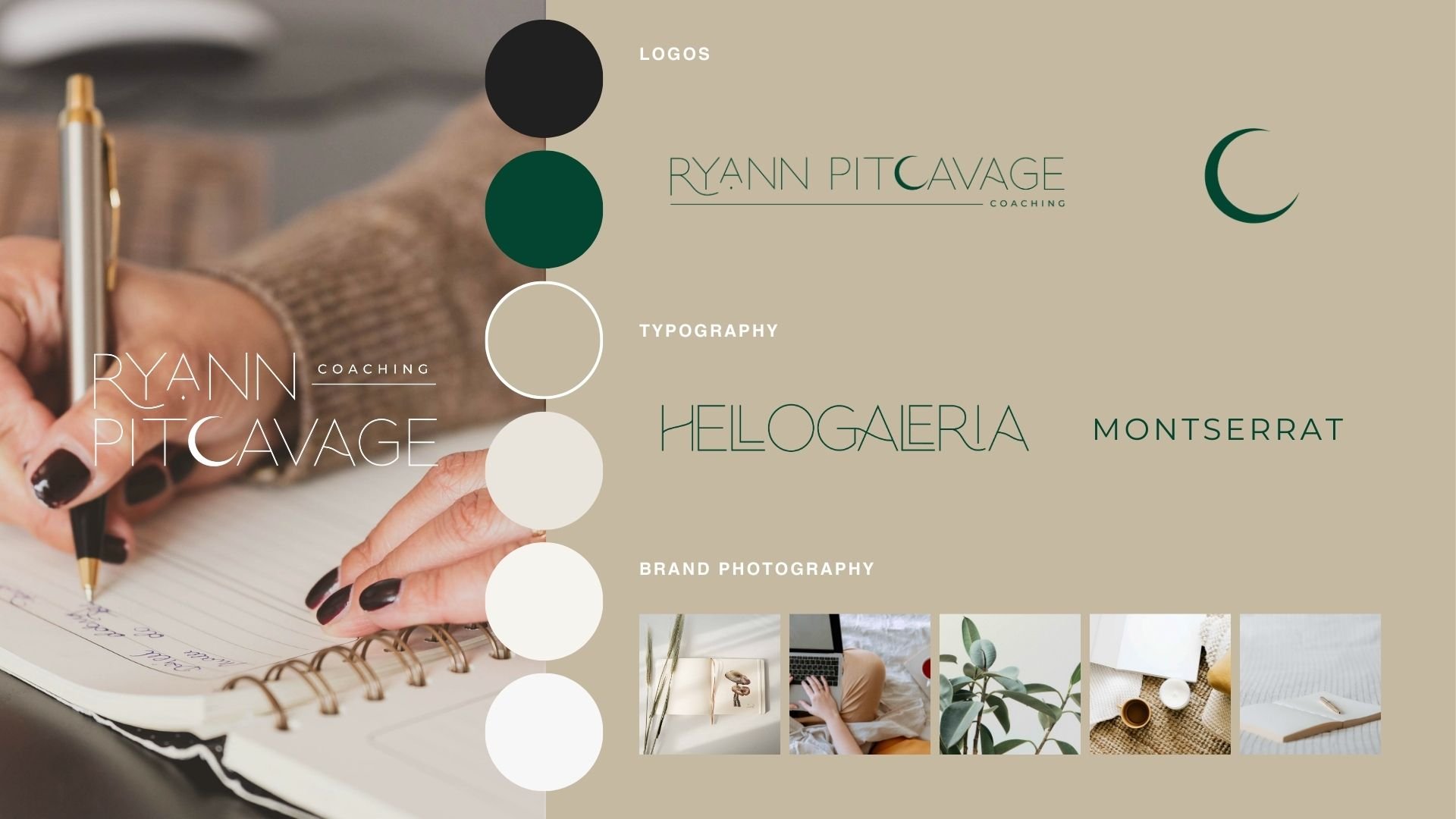
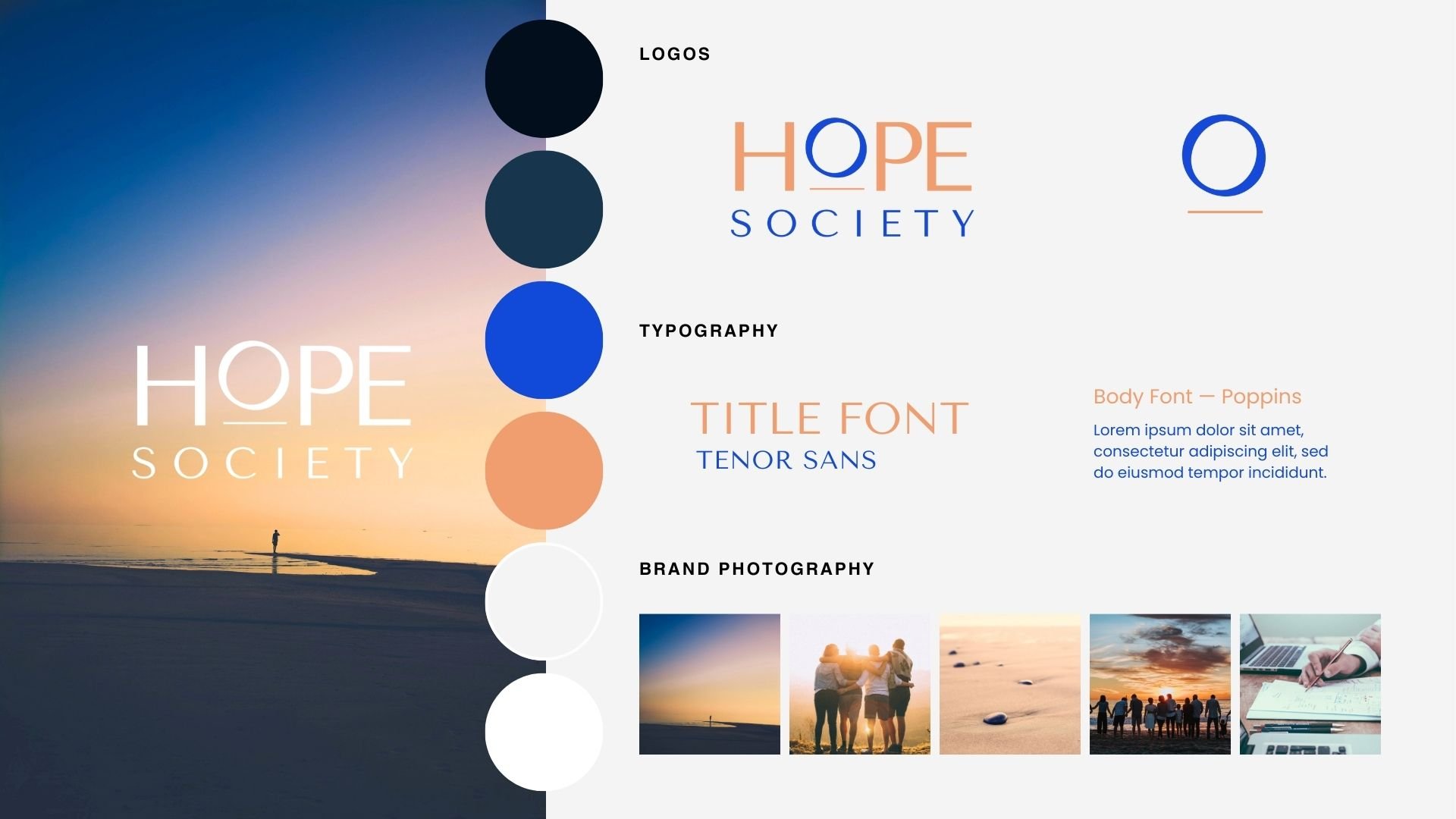
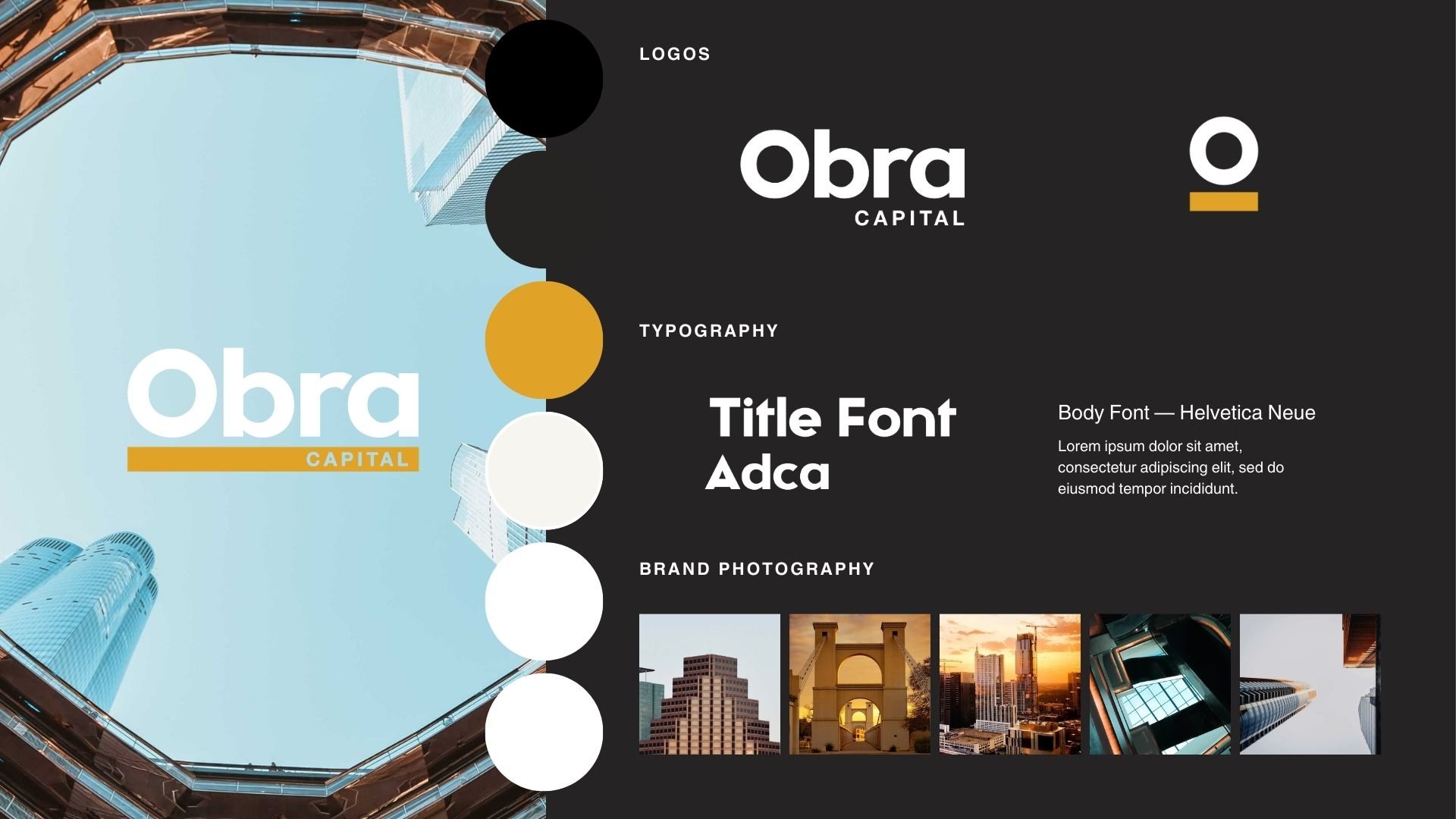
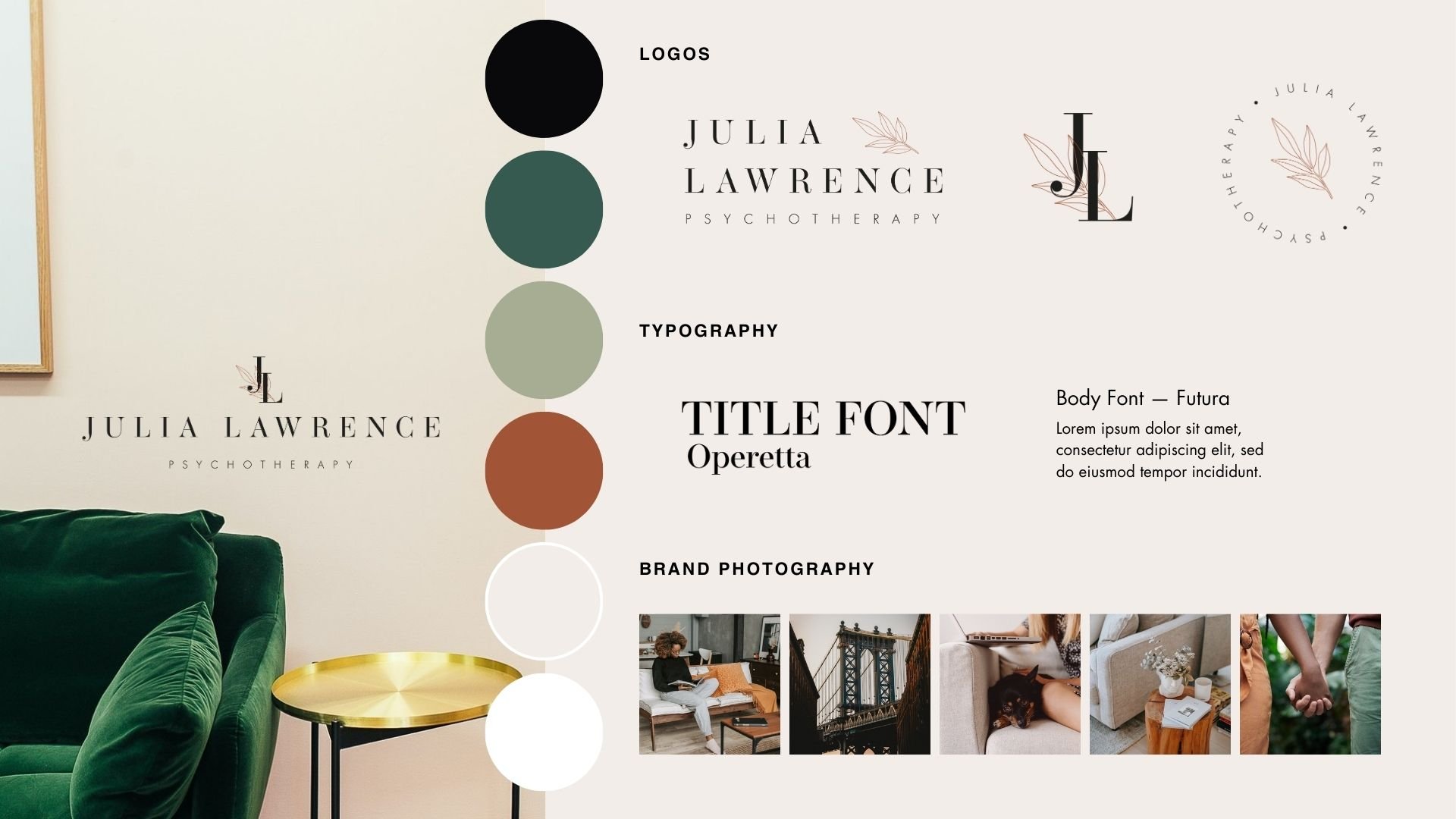
Pro Tip: Use beautiful and unique photography. Stock photos are great, but if you want to showcase your individual brand personality, we highly recommend investing in great-quality photography!
Communicate the Essence of Your Brand
Ensure your website, your social media content, and your communication strategy represent your company and convey your brand personality. Think through the wording and the company voice you portray, the ways of communicating and what type of imagery is reflective of your brand personality.
For example, a business website's purpose often aims to reflect the feeling of working with you and what your customers can expect from you. So, if your website appears old, cluttered, and difficult to navigate, your customers could potentially assume your business is out-of-date and disorganised, which you definitely want to avoid. We want your brand personality to shine from the very beginning of the customer journey to the very end.
So, what will you gain from injecting some brand personality into your business and brand identity design?
With brand personality, you will amplify the possibility of reaching and attracting new customers who resonate with you and your business. Furthermore, once your customers have experienced your high-quality products or services, it is easier to build a loyal customer base that cherishes your brand's personality and offering compared to a good product/service with a non-existent or not relatable brand personality.
Are you ready to inject brand personality into your business?
Our Experts can help you add brand personality to your brand identity, copywriting, and website design.
FAQs
-
Brand identity and brand personality are closely related, but they serve different purposes. Brand identity is how your business presents itself through visual elements such as your logo, colours, typography, messaging, and overall positioning. Brand personality refers to the human characteristics people associate with your brand, such as being friendly, sophisticated, adventurous, or trustworthy. While identity shapes how your brand looks and communicates, personality influences how people feel when they interact with it.
-
Brand image is the perception your audience has of your business based on their experiences, interactions, and opinions. It reflects how customers see your brand rather than how you intend to be seen. A positive brand image develops when your messaging, customer experience, products, and services consistently meet expectations. When your brand identity, personality, and customer experience are aligned, you are more likely to build a strong and favourable brand image.
-
Brand personality helps your business stand out in a crowded market by creating emotional connections with your audience. People are naturally drawn to brands that reflect their values, aspirations, or interests. A clear and authentic personality makes your business more memorable, relatable, and trustworthy. Over time, this emotional connection can lead to stronger customer loyalty, increased referrals, and higher conversion rates, helping your business grow more sustainably.
-
Developing a unique brand personality starts with understanding who you are as a business and who you want to attract. Begin by defining your values, mission, and the qualities that make your brand different from competitors. Consider how you want customers to describe your business and ensure your website, social media, photography, and messaging consistently reflect those traits. Authenticity is key—your brand personality should feel natural and align with your company's purpose.
-
Yes, brand personality plays a significant role in building customer loyalty. When customers feel connected to a brand on a personal or emotional level, they are more likely to return and recommend it to others. A consistent brand personality helps create familiarity, trust, and a sense of belonging. While products and services may attract customers initially, a relatable and memorable brand personality often keeps them engaged long-term.
-
Your website is often the first interaction potential customers have with your brand, making it a powerful tool for expressing your personality. Elements such as your copywriting, imagery, colour palette, typography, and user experience should all work together to communicate your brand's character. For example, a luxury brand may use elegant visuals and refined language, while a playful brand may adopt bold colours and conversational messaging. Consistency across every touchpoint helps strengthen recognition and trust.
Related blogs