Parts of a Website Homepage: What Every Homepage Needs
Your homepage has a big job to do. It often creates the first impression of your business, introduces what you offer, guides people towards the information they need and gives them a reason to keep exploring. All of this needs to happen within a matter of seconds, without making the page feel crowded or overwhelming.
That is why understanding the essential parts of a website homepage is so useful when you are planning a new website or refreshing an existing one. A beautiful homepage is only part of the picture. Every section needs a purpose, and those sections need to work together to create a natural journey from first impression to action.
There is no single homepage formula that works for every business. A photographer will need a different experience from an ecommerce brand, while a consultant may need to establish expertise before asking someone to book a call. Still, most successful homepages share several important elements.
Here are the parts worth considering when creating yours.
1. Header and website navigation
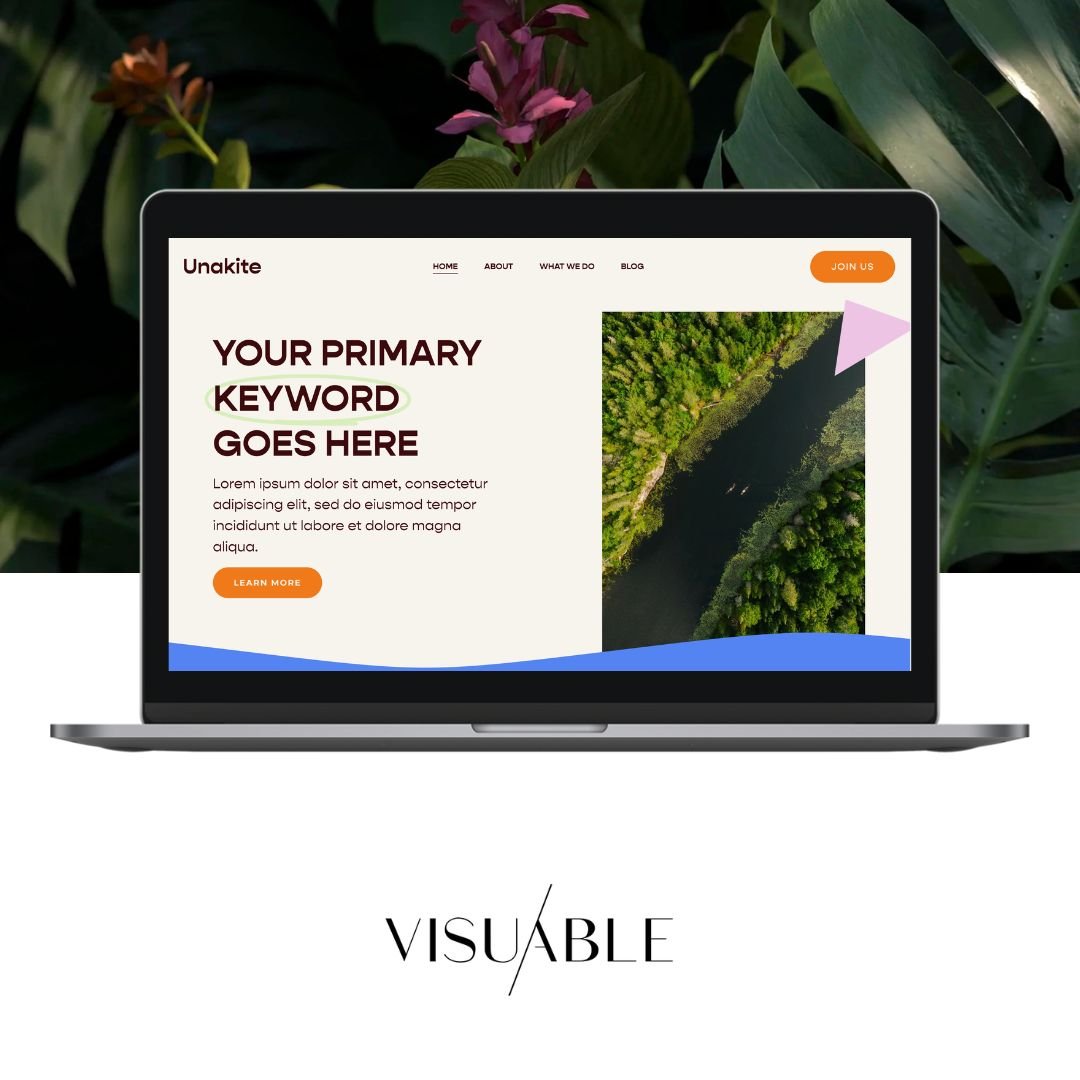
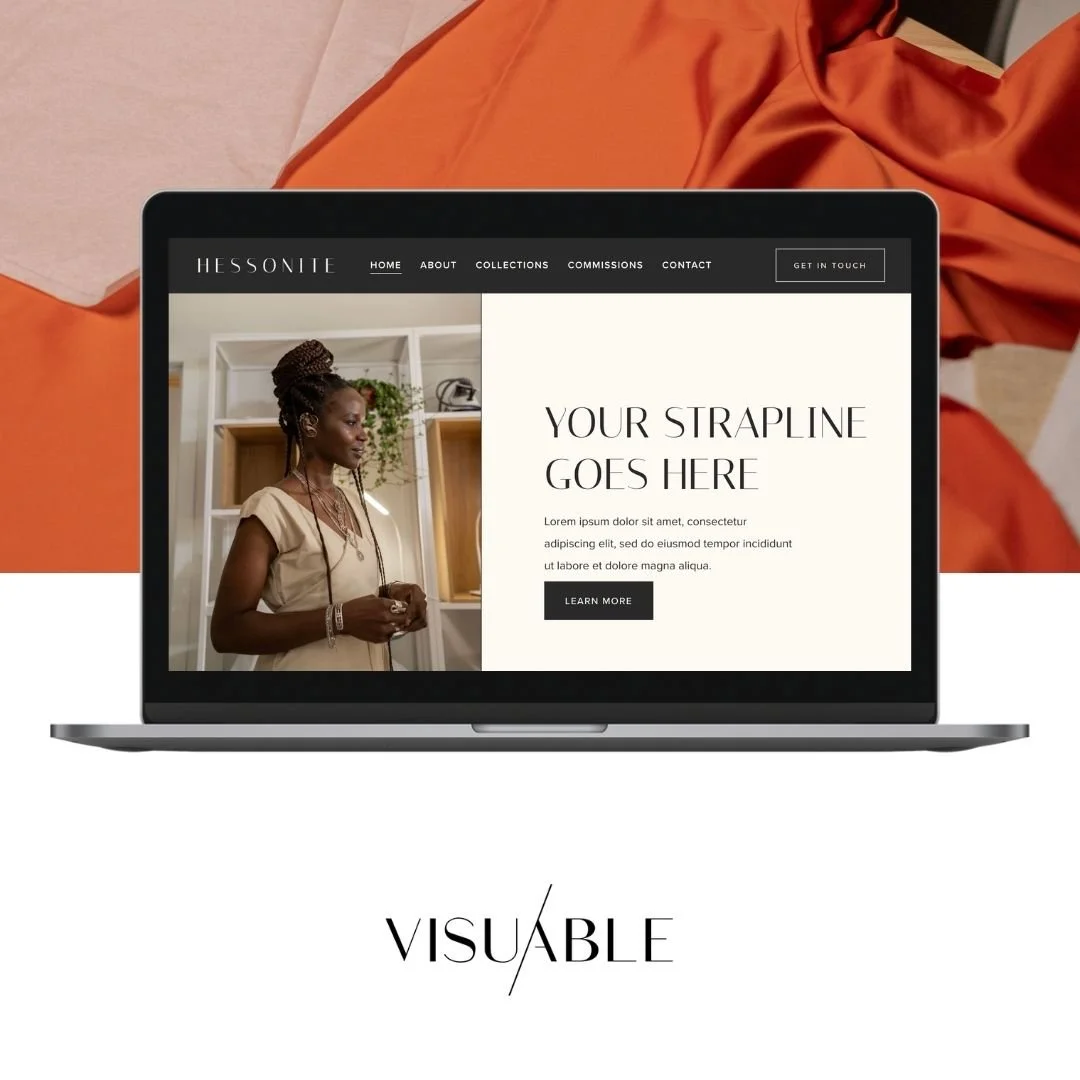
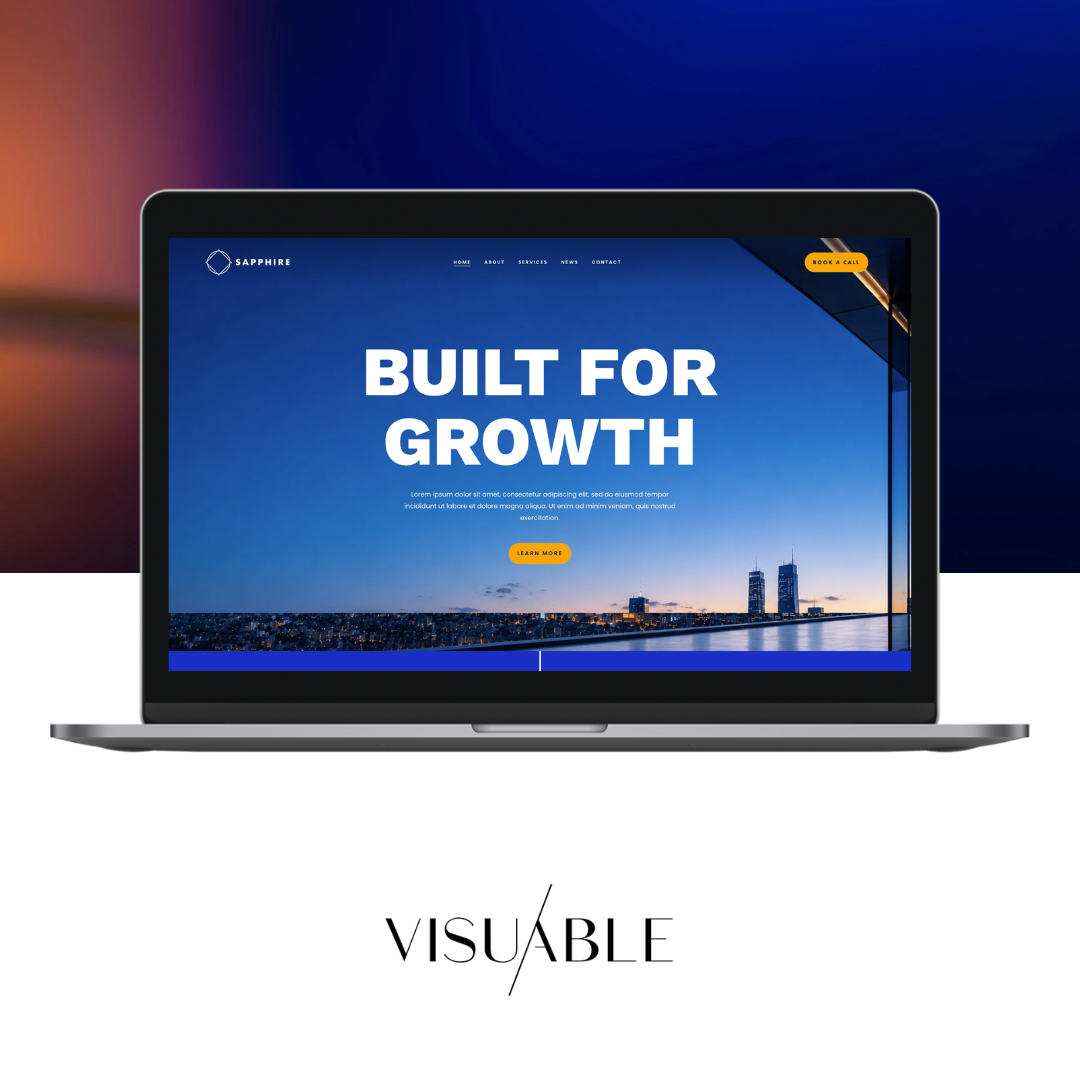
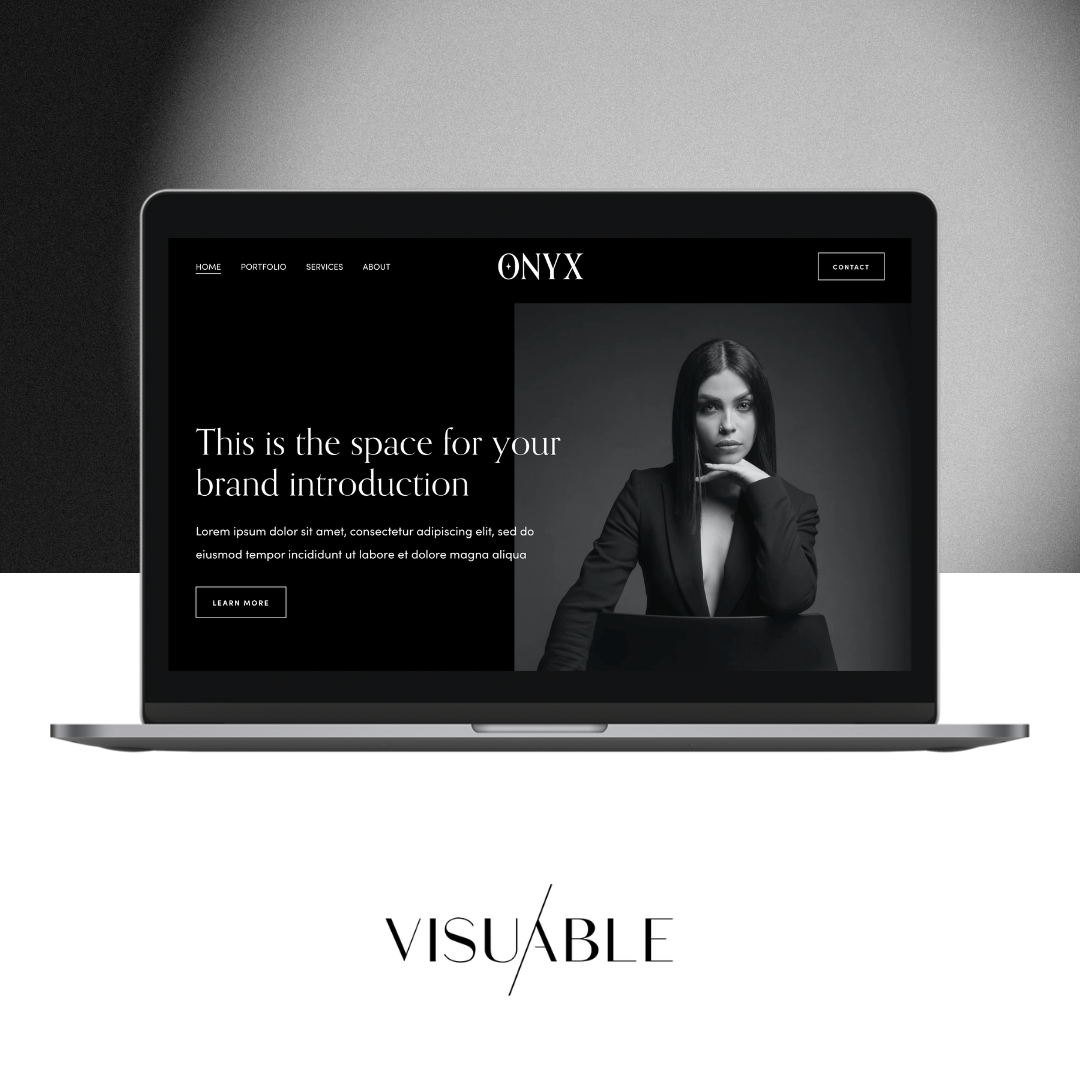
The header sits at the top of your homepage and gives visitors their first opportunity to understand and navigate your website. It will typically contain your logo, navigation menu and sometimes a prominent call to action, such as “Book a consultation”, “Shop now” or “Get in touch”.
Good navigation should feel almost effortless. Visitors should not have to decipher creative page names or hunt through multiple menus to find your services, portfolio or contact information. Keep labels clear and organise pages according to what your audience is most likely to need.
The structure also depends on the size of your website. On a multi page website, the navigation might lead visitors to Home, About, Services, Portfolio, Blog and Contact pages. On a single page website, those same menu items might move visitors to specific sections further down the homepage.
Either way, simplicity matters. Your navigation is there to guide, rather than compete for attention.
2. Hero section
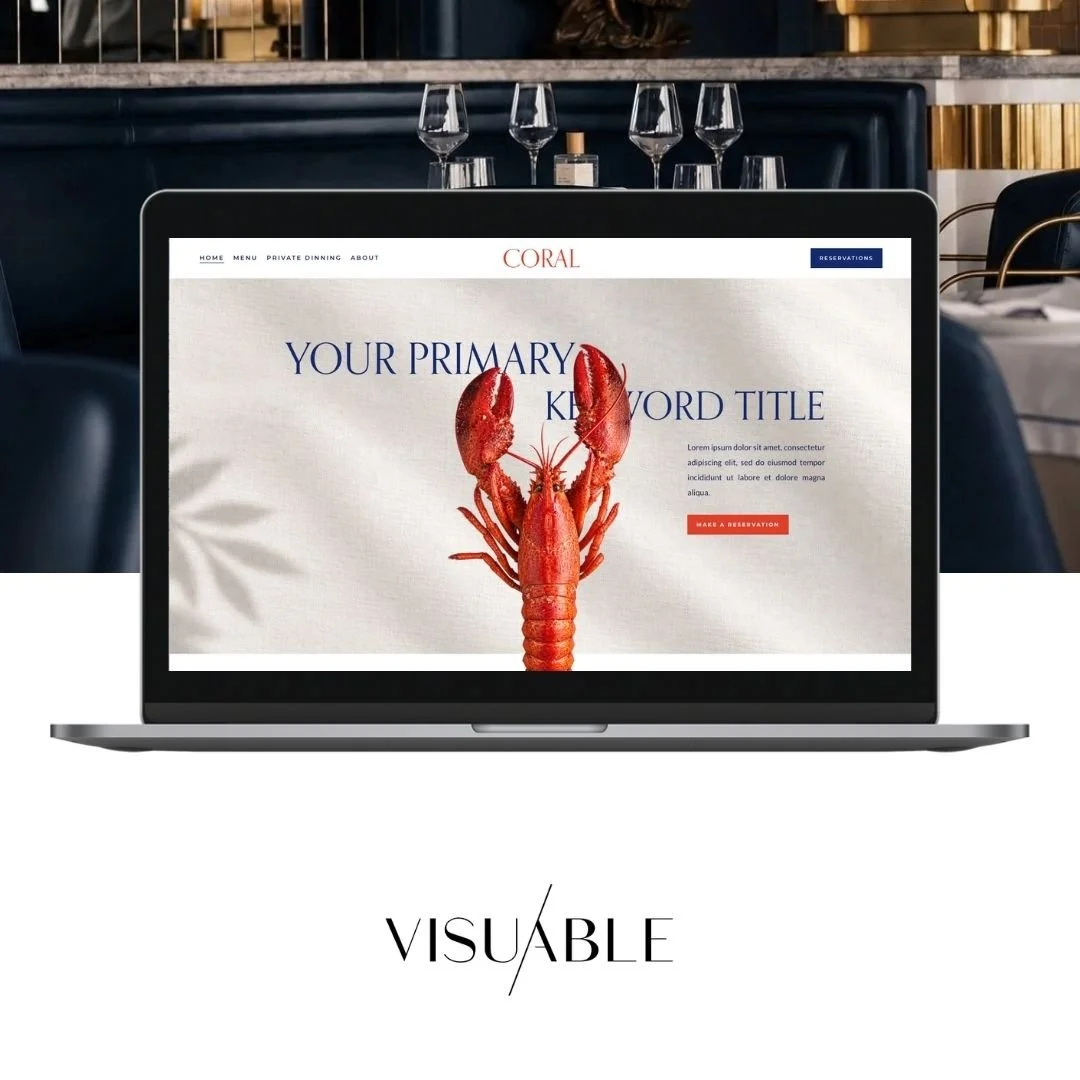
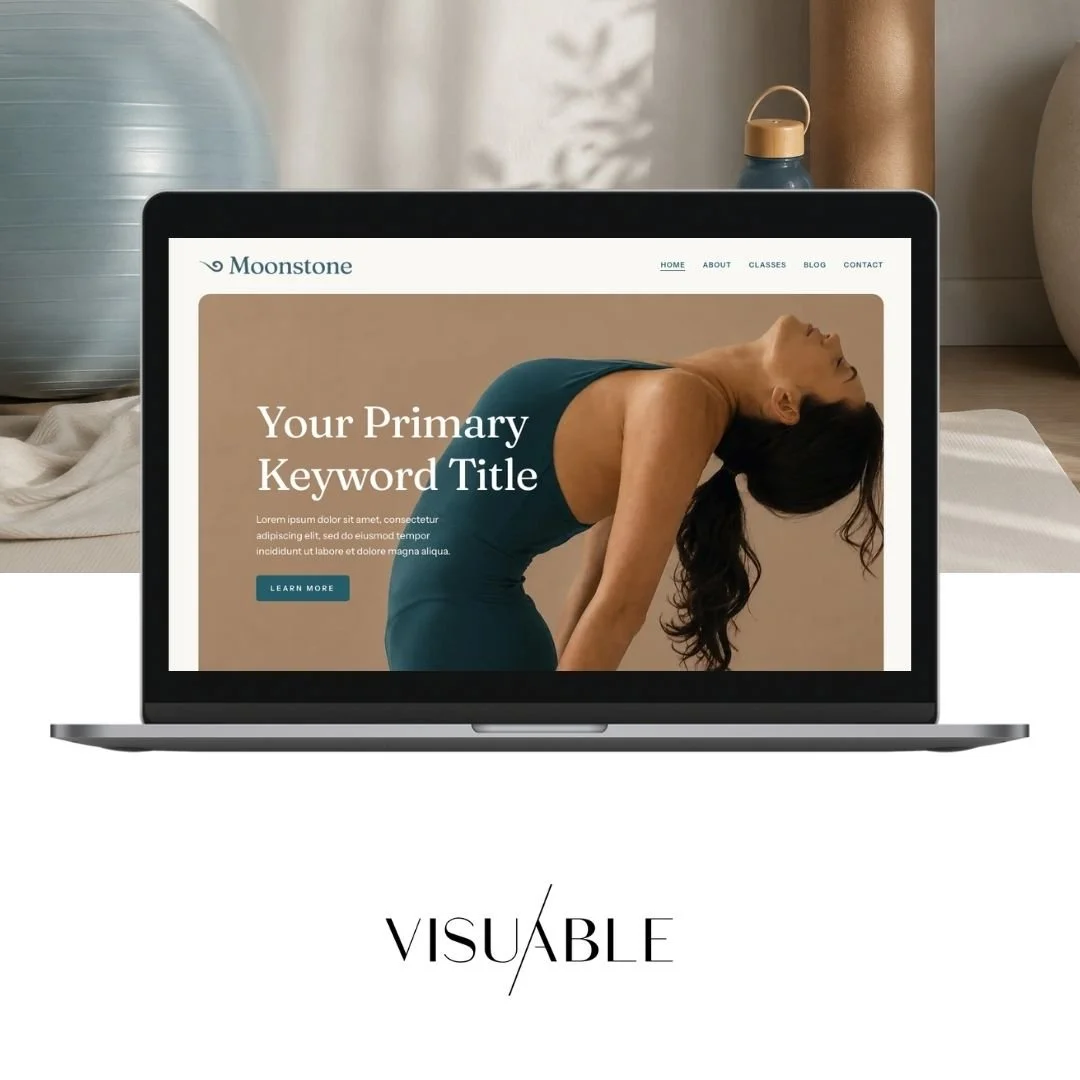
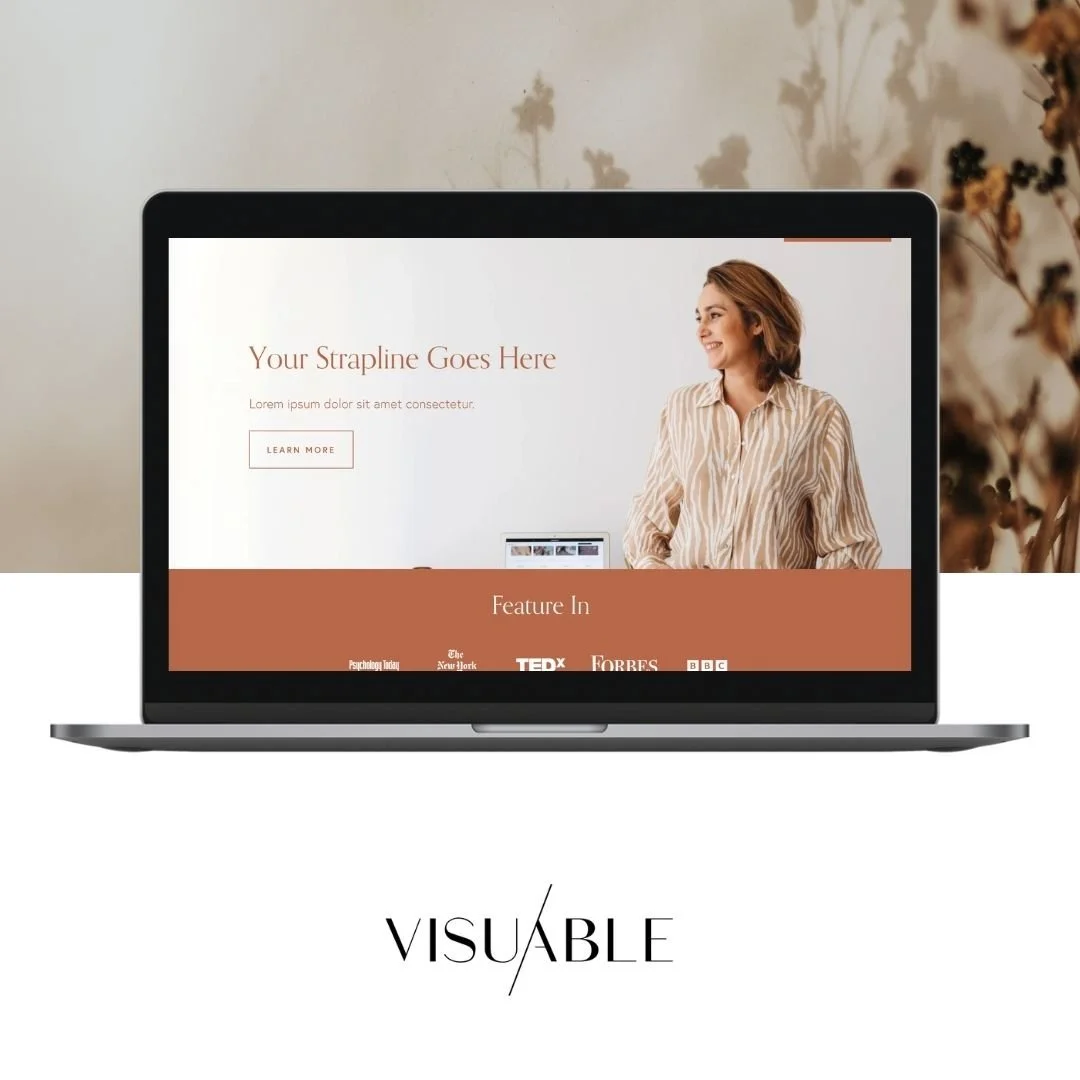
The hero is the prominent section visitors see when they first arrive on your homepage. It normally combines a headline, supporting copy, imagery and a call to action.
Of all the parts of a website homepage, this is one of the most important because it immediately sets expectations. Visitors should be able to understand what you offer, who it is for and why they should care.
Your main heading should therefore do more than sound clever. Clarity comes first. A visitor who has never encountered your business before needs enough context to know they have landed in the right place.
A strong hero section usually includes:
A clear H1 heading explaining your core offer or value.
A short introduction providing additional context.
A primary call to action showing visitors what to do next.
Brand aligned imagery or graphics that support the message.
From an SEO perspective, your H1 is important too. Each page should have one clear primary heading, ideally incorporating the page’s main keyword naturally. This helps establish a clear content hierarchy for both readers and search engines.
3. Brand introduction and value proposition
Once you have captured attention, your homepage needs to give visitors a compelling reason to stay.
This is where a concise brand introduction or value proposition comes in. Rather than immediately telling your entire story, focus on the intersection between what your business does and what your audience wants.
Think about the questions running through a potential customer’s mind. Is this for someone like me? Can this business help with my problem? What makes its approach different? Why should I trust it?
Your copy should start answering those questions while keeping the visitor moving through the page.
This is an important distinction. Your homepage is not simply an abbreviated About page. It is a strategic overview of your business designed around your visitor’s journey. You can introduce your personality, values and perspective here, then direct people towards your About page if they want the full story.
4. Services or products section
For most businesses, services or products are essential parts of a website homepage. After understanding who you are and what you do, visitors naturally want to know how they can work with you or what they can buy.
You do not necessarily need to explain every feature, package or variation on the homepage. In fact, trying to do so can quickly turn a focused homepage into an information overload.
Instead, introduce your main offers with enough information to help visitors identify the most relevant option. Give each service or product a clear title, concise explanation and link to a dedicated page where they can learn more.
This creates a much cleaner journey. Your homepage establishes the bigger picture, while your service and product pages provide the depth needed to support a buying decision.
For businesses with several distinct services, creating dedicated pages can also open up more opportunities for SEO because individual pages can target more specific search intentions.
5. Benefits and reasons to choose your business
Your audience now knows what you sell. The next question is why they should choose you.
This section moves the conversation beyond features and into value. Rather than only describing what is included in your service, explain what those things help your customer achieve.
For example, a strategically designed website is not valuable simply because it contains five beautifully designed pages. Its greater value comes from giving a business a professional online presence, creating an easier experience for customers and providing a platform that can support its growth.
This is where thoughtful website copy makes a significant difference. Your design captures attention, while your messaging helps people understand why your offer matters to them.
6. About section
People connect with people, so an About section can add an important human element to your homepage.
This does not need to be your entire professional history. A photograph, short introduction and a few lines explaining your philosophy or experience can be enough to create a connection.
The exact approach will depend on your brand. A personal brand might put the founder front and centre, while a larger company could introduce its team, philosophy or collective expertise instead.
Keep the focus relevant to your audience. Your story matters most when it helps visitors understand why you are the right person or team to support them.
End this section with a link to your full About page so interested visitors can discover more without slowing down everyone else's journey through the homepage.
7. Social proof and trust signals
Visitors rarely make decisions based entirely on what a business says about itself. They also look for signs that other people have had a positive experience.
Testimonials, reviews, recognisable client names, professional credentials, awards, press mentions and case studies can all provide this reassurance. The right trust signals depend on your business and audience.
A consultant might highlight a thoughtful client testimonial. A creative studio may showcase selected projects. An ecommerce brand could feature customer reviews. A professional service provider might benefit from relevant qualifications or industry recognition.
Where possible, make social proof specific. A testimonial explaining what changed as a result of working together is generally more persuasive than a generic statement saying the service was great.
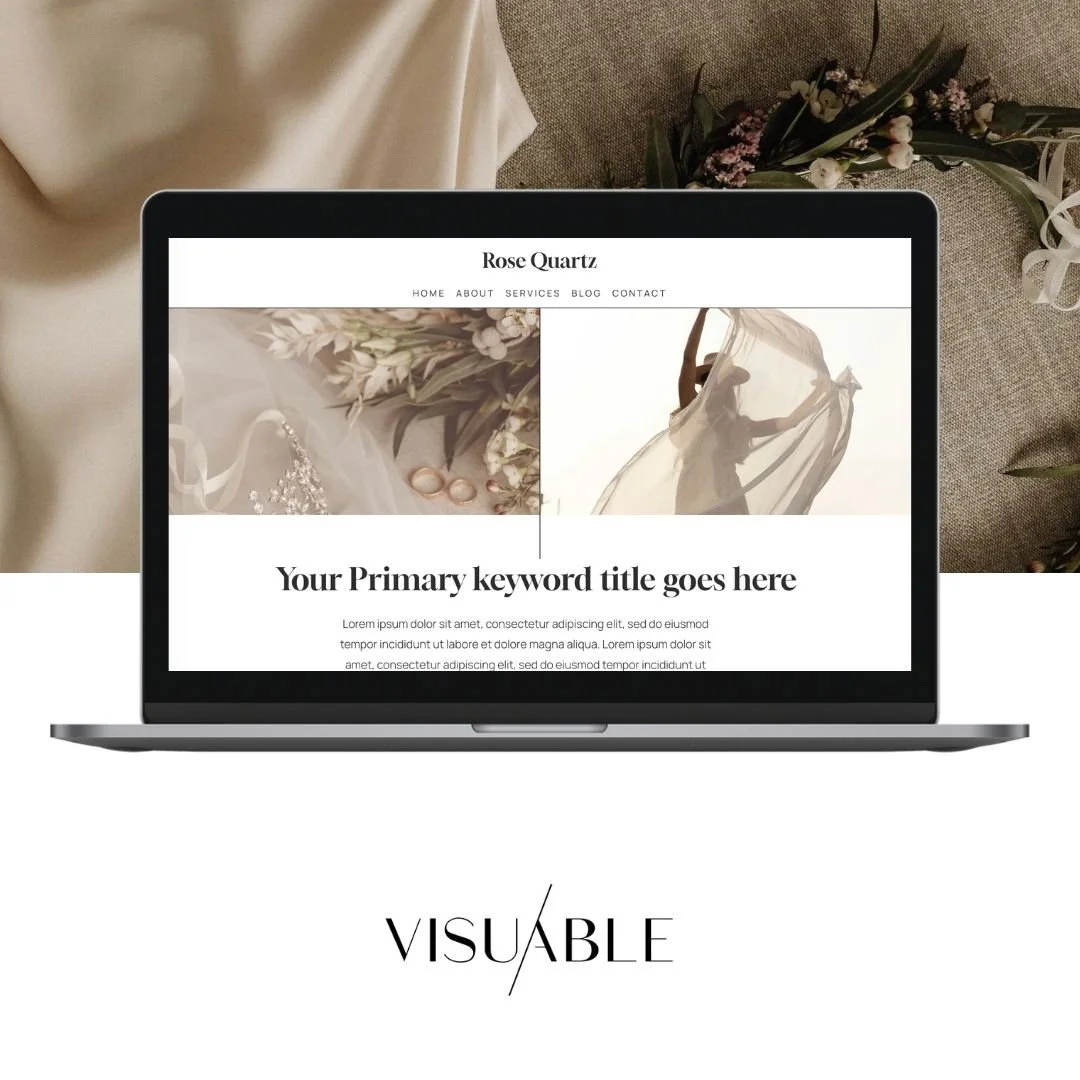
For Visuable, for example, a portfolio provides prospective clients with the opportunity to see real websites across industries ranging from wellness and professional services to hospitality, ecommerce and technology. Showing the work gives visitors tangible evidence of what is possible.
8. Portfolio, case studies or featured work
If the quality of your work influences a customer's decision, give it space on the homepage.
A portfolio section lets visitors experience your capabilities rather than simply reading about them. Depending on your business, this could include website projects, interior design transformations, photography, branding projects, client results or before and after examples.
Case studies can take this further by adding context. Instead of only showing the finished result, explain the challenge, your approach and the outcome. This demonstrates strategic thinking and helps prospective customers imagine what working with you could look like.
You do not need to show everything. A carefully curated selection of relevant work will usually create a stronger impression than an enormous gallery.
9. Calls to action
A homepage should never leave visitors wondering what to do next.
Calls to action, commonly known as CTAs, provide clear next steps. They can appear throughout your homepage rather than only at the very bottom, particularly after sections where a visitor may naturally feel ready to act.
Your primary CTA should reflect the main goal of the website. Depending on your business, that might be to book a consultation, enquire about a service, browse products, schedule an appointment or join a membership.
You can also use secondary calls to action for visitors who are interested but not quite ready for that main commitment. Inviting them to explore your work, read an article or learn more about a service keeps them engaged without forcing the decision.
Keep the language clear and purposeful. Visitors should know exactly what will happen when they click.
10. Frequently asked questions
An FAQ section is one of the most practical parts of a website homepage because it lets you address common questions before they become reasons to leave.
Consider what prospective customers regularly ask before working with you. They may want to know about your process, timelines, location, pricing approach, platforms, availability or what happens after they enquire.
Answering a small selection of high priority questions on the homepage can create clarity while helping visitors feel more informed. You can then provide a more extensive FAQ section elsewhere if your business requires it.
FAQs can support search visibility too. They naturally allow you to answer specific, conversational questions related to your services, which makes your website content more useful and easier for search engines and AI powered search platforms to understand. Visuable incorporates clear content structures, FAQs and semantic organisation as part of its approach to SEO and AI visibility.
11. Footer
The footer might be the final section on the page, yet it still plays an important role in the overall website experience.
It provides visitors with a consistent place to find useful information once they reach the bottom of a page. This commonly includes navigation links, contact information, social media profiles, legal pages and newsletter sign ups.
For ecommerce businesses, the footer may also provide links to shipping, returns and customer service information. Service businesses might prioritise contact details, FAQs and booking links instead.
Think of your footer as a useful final navigation point rather than somewhere to place everything that did not fit elsewhere.
How should the parts of a website homepage fit together?
Knowing which sections to include is only the beginning. The order matters just as much.
A successful homepage should feel like one connected conversation. Start by establishing what you offer. Then give visitors reasons to care, show them how you can help, build trust and guide them towards the next step.
A simple journey might look like this:
Header and navigation.
Hero section.
Value proposition.
Services or products.
Benefits.
About introduction.
Social proof and portfolio.
FAQs.
Final call to action.
Footer.
This is a starting point rather than a rigid template. Your audience, goals and content should determine the final structure.
For example, a restaurant may need menus and booking information much earlier. An interior designer might prioritise imagery and portfolio projects. A coach may need more space for their philosophy and testimonials. An ecommerce business will naturally place greater emphasis on products, collections and customer reviews.
Strategy should determine structure.
Your homepage should look good and work hard
The most effective homepages combine brand, design, copywriting, SEO and user experience. They create an immediate visual impression, then back it up with clear information and a thoughtful path towards action.
That is why the individual parts of a website homepage should never be planned in isolation. Your headline influences what visitors expect from the next section. Your services lead naturally into proof. Your testimonials build confidence before a call to action. Your navigation makes the entire experience easier to explore.
When everything works together, your homepage becomes more than an introduction. It becomes a strategic tool for communicating your value, attracting the right audience and supporting the growth of your business.
At Visuable, we create custom Squarespace websites around each client's brand, audience and goals, combining thoughtful design with technical SEO foundations and an easy to manage website experience. Our custom website services include responsive design, SEO friendly site architecture, mobile optimisation, technical checks and post launch training, giving you a professional website that is built to support your business beyond launch.
Ready to create a homepage that looks brilliant and has a clear strategy behind every section? Explore Visuable’s website design services and start planning your new online presence.
Ready to create a homepage that works as beautifully as it looks?
Understanding the essential parts of a website homepage is the first step. Bringing them together in a way that reflects your brand, connects with your audience and inspires action is where thoughtful web design makes all the difference.
At Visuable, we create strategic, beautifully designed Squarespace websites that balance creativity with clarity, helping ambitious businesses build a stronger online presence and turn more visitors into enquiries.
FAQs
-
The main parts of a website homepage typically include a header and navigation menu, hero section, value proposition, services or products, benefits, About section, testimonials or other social proof, calls to action, FAQs and a footer. The exact structure should reflect your audience and the main purpose of your website.
-
The top of your homepage should make it immediately clear what your business offers. A strong hero section normally includes an H1 heading, short supporting message, relevant imagery and a clear call to action. Your main navigation should also make important pages easy to access.
-
There is no perfect homepage length. Your homepage should be long enough to communicate your value, introduce your main offers, establish trust and give visitors clear next steps without adding information simply to make the page longer. More complex businesses may naturally need more content than brands with a single, straightforward offer.
-
Yes. A clear H1 establishes the main topic of your homepage for visitors and search engines. It should describe your primary offer or message and, where natural, incorporate the main SEO keyword you want the page to target.
-
You can repeat your primary call to action several times throughout a homepage, particularly after sections where visitors may be ready to take the next step. You can also include secondary calls to action, such as viewing your portfolio or learning more about a service. Keep your actions focused so visitors are guided rather than overwhelmed by choices.
-
FAQs can be very useful on a homepage when they address common questions that could influence a visitor's decision. They create clarity, reduce uncertainty and provide additional opportunities to answer relevant search queries naturally.
-
For some businesses, yes. A single page website can work particularly well for smaller businesses, portfolios, CV websites and events where the information can be communicated concisely. A multi page website provides more space for dedicated services and content, clearer navigation and greater opportunities to grow your SEO presence over time. Visuable offers both single page and multi page Squarespace website options depending on the scope and goals of the business.
Related Blogs