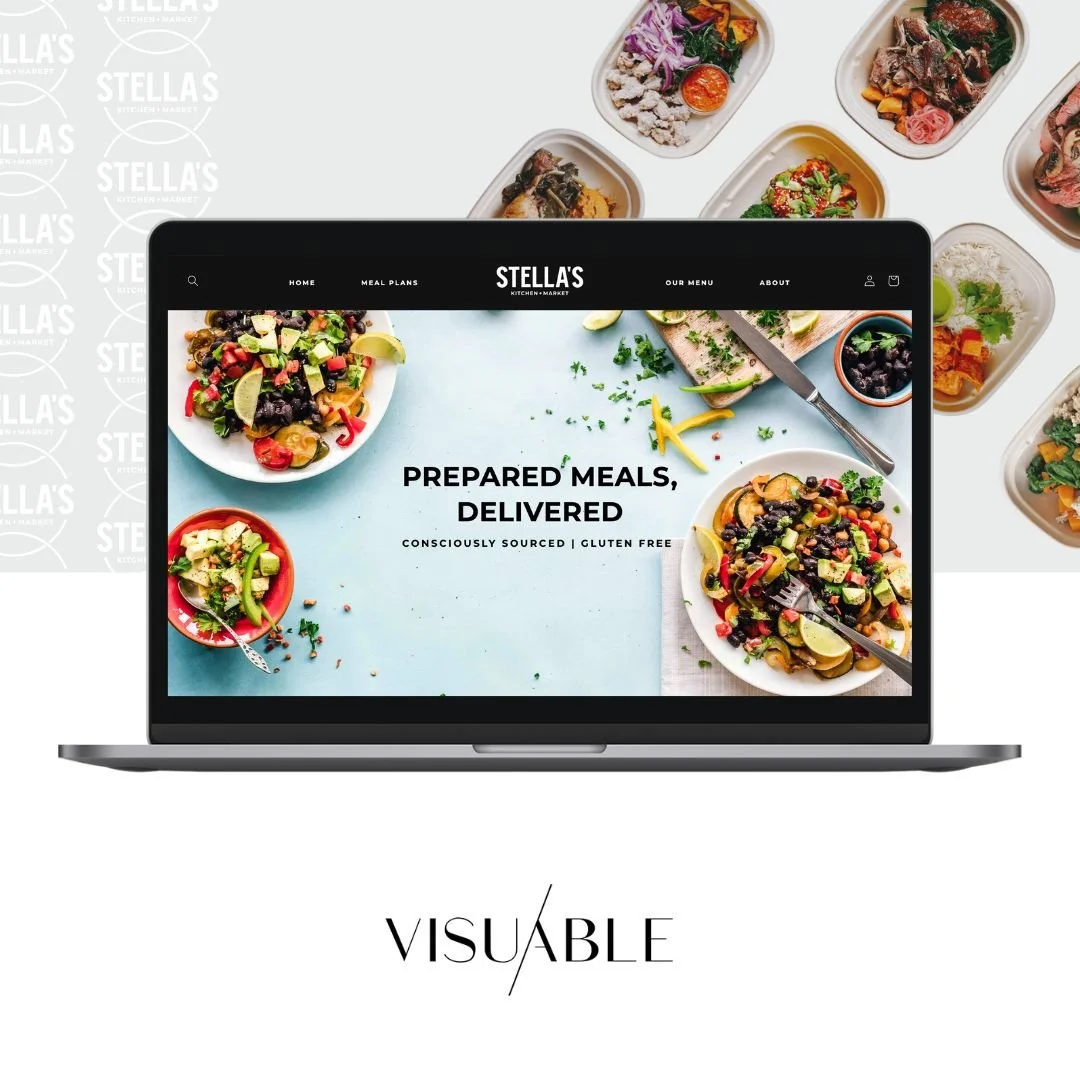
Everything You Need to Know About Squarespace Ecommerce

Building an online shop is no longer simply about putting products on a website and adding a checkout button. Your ecommerce website needs to showcase your products beautifully, make shopping feel effortless and give customers the confidence to complete their purchase. Just as importantly, it needs to be something you can comfortably manage behind the scenes.
For many growing brands, Squarespace ecommerce brings those priorities together in one platform. It combines website design, content management, and online selling tools, making it possible to create a polished digital home for your brand while managing products and orders in the same place.
If you are considering Squarespace for your online shop, this guide covers what you need to know, from how the platform works and what you can sell to design, SEO and choosing between Squarespace and Shopify.
What is Squarespace ecommerce?
Squarespace ecommerce is the online selling functionality built into the Squarespace website platform. It allows businesses to create a website and online shop within the same ecosystem rather than piecing together separate tools for web design, hosting and ecommerce.
For customers, this means your brand story, website content and shop can form one cohesive experience. Someone might discover you through a blog article, explore your story, browse a collection and make a purchase without feeling as though they have moved between disconnected platforms.
For business owners, the appeal is often simplicity. You can manage the wider website alongside products and ecommerce activity through Squarespace, which can make day-to-day website management more approachable.
This balance between strong visual presentation and practical selling functionality is one reason Squarespace ecommerce can be particularly appealing to independent brands, creative businesses and smaller online shops where the experience surrounding the product matters almost as much as the product itself.
What can you sell through a Squarespace ecommerce website?
A Squarespace shop can support different business models, which means ecommerce does not necessarily have to mean running a traditional physical product store.
Depending on your business and chosen setup, you might use your website to sell:
Physical products such as clothing, homeware, artwork, beauty products or accessories.
Digital products and resources.
A focused collection or limited product launch.
Subscriptions and other paid digital offerings where supported by your setup.
This flexibility makes Squarespace useful for brands at different stages. You might be launching a small product collection alongside an existing service business, or ecommerce might sit at the centre of your entire brand.
The more important question is whether the platform suits the complexity of the shop you want to create. A carefully curated store with a focused product range has very different requirements from a retailer managing a huge catalogue, complex inventory and multiple sales channels.
Why choose Squarespace for ecommerce?
One of Squarespace's greatest strengths is its ability to combine content, branding and commerce within a visually led website. That matters because customers rarely make decisions based on the product alone.
They are also responding to your photography, copy, navigation, brand identity and the overall feeling of shopping with you. When those elements work together, your website can communicate value before your customer has even reached the checkout.
Squarespace also gives business owners an accessible content management system. Once your shop has been professionally designed and configured, you can continue managing products and updating content without relying on a developer for every small change.
At Visuable, we provide dedicated training as part of our Squarespace ecommerce website process, covering areas such as adding and editing products, managing your shop and tracking orders. The goal is not simply to hand over a beautiful website. It is to give you the confidence to manage it as your business evolves.
What makes a good Squarespace ecommerce design?
A beautiful online shop is valuable. A beautiful shop that makes it difficult to find or buy a product is much less useful.
Strong Squarespace ecommerce design balances visual personality with a clear customer journey. Your homepage should quickly communicate what you sell and why your products are worth exploring. Navigation should help visitors reach relevant categories without unnecessary searching. Product pages should provide the information customers need to make a confident decision. Your shopping cart and checkout journey should feel like a natural continuation of the experience.
Mobile design deserves particular attention. Customers increasingly discover and browse brands from smaller screens, so ecommerce pages need to work comfortably across desktop, tablet and mobile devices. Buttons need to be easy to use, images need to display well and essential information should never feel buried.
At Visuable, our ecommerce design approach combines strategic thinking with brand-focused visuals and an intuitive user experience. Rather than treating the shop as an isolated part of the site, we design the entire experience around the brand and its customers.
You can explore examples of our ecommerce work in the Visuable portfolio, including projects across fashion, food, interiors, wellness and other product-led businesses.
Product pages matter more than you might think
A customer cannot pick up your product, examine the details or ask a member of staff a quick question when shopping online. Your product page has to do that work for them.
Great product pages combine strong imagery with useful, persuasive information. Your copy should explain what the product is while also communicating why someone would want it. Details such as dimensions, materials, variations, delivery information and other practical considerations should be easy to find where relevant.
Structure matters too. Huge walls of text can overwhelm shoppers, while overly minimal product descriptions may leave unanswered questions. The aim is to give customers enough information to feel confident while keeping the path towards purchase clear.
Product pages also create valuable SEO opportunities. Rather than relying entirely on your homepage or main shop page to attract search traffic, individual products and categories can target relevant searches and create additional entry points into your website.

Can Squarespace ecommerce be optimised for SEO?
Yes. A Squarespace ecommerce website can absolutely form part of a strong SEO strategy.
SEO starts with understanding what your potential customers are actually searching for. From there, your website needs a clear structure that helps both people and search engines understand what each page is about.
Important areas include keyword research, page headings, product and category content, page titles, meta descriptions, image optimisation, internal linking, clean URLs and mobile performance. Search engines also need to be able to crawl and index your website correctly.
Product SEO deserves its own attention. Each important product page represents an opportunity to match a specific search intention. Thoughtful keyword research can reveal the language shoppers use, while strategic product copy can help you incorporate those phrases naturally rather than forcing keywords into generic descriptions.
Visuable's Squarespace ecommerce website service includes technical backend SEO setup and optimisation. For brands that want to take product visibility further, our Ecommerce SEO service adds keyword research, SEO focused content strategy and SEO copywriting for selected products. This helps turn product pages into stronger search assets rather than simply digital catalogue entries.
Squarespace ecommerce versus Shopify: which should you choose?
This is one of the most common questions we hear, and there is no universal winner. The right platform depends on what you sell, how much you sell and how complex your ecommerce operation needs to become.
Squarespace is often a strong choice for smaller and more curated shops where brand presentation, simplicity and ease of management are priorities. It works particularly well when ecommerce is part of a broader website experience that also needs to communicate your story, expertise or services.
Shopify is typically better suited to larger stores or businesses that need more advanced ecommerce capabilities, such as detailed inventory management, extensive third-party app integrations, multichannel selling or more sophisticated shipping requirements.
The decision should therefore start with your business model rather than a feature comparison alone. Think about what your shop needs today and what you realistically expect it to need over the next few years.
At Visuable, we specialise in both Squarespace and Shopify ecommerce websites, so our recommendation is based on the needs of the business rather than trying to make every project fit one platform.
Is Squarespace ecommerce suitable for a small shop?
This is where Squarespace can really shine.
If you have a focused collection, a boutique brand or even a single hero product, you may not need the infrastructure of a huge ecommerce platform. What you need is a website that makes your products look brilliant, communicates your brand clearly and gives customers an easy route to purchase.
A smaller product range can also create more room for storytelling. Rather than filling a website with hundreds of listings, you can build a considered experience around the products you do offer.
For businesses launching with a particularly small selection, Visuable also offers a Scroll Ecommerce Website option designed for an easy-to-manage store with a limited range. It combines a high-end custom page with ecommerce essentials including product uploads, shopping cart styling, mobile optimisation and technical backend SEO.
The goal is to create the right amount of website for your business rather than adding complexity for the sake of it.
When might Squarespace ecommerce not be the right choice?
Squarespace works brilliantly for the right ecommerce business, although some stores will naturally outgrow what they need from the platform.
If you are planning a very large catalogue, require highly advanced inventory functionality, rely heavily on specialist third-party ecommerce apps or need sophisticated multichannel selling, Shopify may give you greater flexibility.
Thinking about these requirements early can save significant time later. Migrating an established ecommerce business between platforms is a much bigger project than choosing the right foundation before you build.
Consider your product volume, fulfilment process, expected growth, integrations and how your team will manage the store. Your website should support the way your business operates rather than forcing your operations around the limitations of your website.
How to decide whether Squarespace ecommerce is right for you
Before choosing your ecommerce platform, get clear on what your customers need from the shopping experience and what you need behind the scenes.
Ask yourself:
How many products will I sell now, and how quickly could that range grow?
Do I need simple ecommerce functionality or advanced inventory and selling tools?
How important is editorial content and visual brand storytelling?
Will I manage the shop myself?
What integrations will my business need?
How important is organic search to my growth strategy?
Your answers should give you a much clearer picture.
The best ecommerce platform is not necessarily the one with the longest feature list. It is the one that gives your business the functionality it genuinely needs while making the experience simple for your customers and manageable for your team.
Create a Squarespace ecommerce website built around your brand
A successful online shop needs more than functional checkout software. It needs to communicate your value, help customers navigate with confidence and create an experience that feels unmistakably connected to your brand.
For businesses with a curated product range and a strong focus on design, Squarespace ecommerce can offer an appealing combination of flexibility, visual impact and ease of management. With thoughtful strategy behind the structure, product pages, SEO and customer journey, it can become much more than somewhere to list products. It can become an important part of how customers discover, understand and buy from your brand.
At Visuable, we design ecommerce websites around the individual needs of each business, bringing together strategy, creative design, technical setup and ecommerce expertise. Explore our ecommerce website portfolio or book a consultation to discover what the right ecommerce setup could look like for your brand.
Ready to create a Squarespace ecommerce website that works for your business?
Your online shop should do more than display your products. It should bring your brand to life, make shopping feel effortless and give you a platform you feel confident managing as your business grows.
At Visuable, we combine strategy, design, copywriting and SEO to create Squarespace ecommerce websites that feel distinctly yours while guiding customers naturally towards a purchase. From thoughtful product pages to a seamless shopping journey, every detail is designed around your brand, your customers and your goals.
FAQs
-
Yes. Squarespace can be an excellent ecommerce platform for small to medium sized stores, particularly businesses that value strong visual presentation, straightforward management and a website that combines content and commerce. Larger stores with complex inventory or integration requirements may be better suited to Shopify.
-
Squarespace supports ecommerce businesses selling different types of products, including physical and digital products. The exact setup you need will depend on what you sell and how you want customers to access or receive their purchase.
-
Yes. Squarespace websites can be optimised for search engines through keyword strategy, structured headings, page titles, meta descriptions, product copy, image optimisation, internal links, clean URLs and strong technical foundations. Ecommerce brands should also consider dedicated keyword research and SEO copywriting for their most important products.
-
Squarespace is often better suited to smaller, visually led shops that prioritise design, content and ease of management. Shopify is generally more suitable for larger stores that require advanced inventory management, multichannel selling and extensive third party integrations. The right choice depends on the needs and growth plans of your business.
-
Yes. Squarespace is designed to make ongoing website management approachable. You can update products, images and website content through its content management system. At Visuable, we also provide personalised training so clients can confidently manage their ecommerce website after launch.
-
At Visuable, our full Squarespace E-commerce Website typically takes around 10 to 12 weeks. Smaller ecommerce projects can have shorter timelines depending on their scope, product range and requirements.
-
Yes. Ecommerce functionality can be added to an existing website where the current structure is suitable. The exact approach depends on the number of products, required categories, checkout setup and whether the existing design needs additional work to create a smooth shopping experience.
-
SEO is particularly valuable for ecommerce brands because your products and categories create multiple opportunities to appear in relevant searches. A strong strategy can help potential customers discover your products organically while improving the clarity and structure of your website.
Related Blogs