SEO Principles: The Ultimate Guide for Beginners

Understanding the Fundamentals of Search Engine Optimization (SEO)
Search engine optimization, or SEO, is the practice of improving a website's visibility in search engine results pages (SERPs). This means making it easier for search engines like Google, Bing, and DuckDuckGo to understand what your website is about and rank it appropriately for relevant search queries. It’s a multifaceted discipline encompassing technical aspects, content creation, and off-page strategies. For beginners, grasping the core principles is the first step towards achieving better online discoverability.
A foundational element of SEO is keyword research. This involves identifying the terms and phrases people use when searching for information related to your business or website's content. For example, a local bakery might target keywords like "best cakes near me," "custom birthday cakes," or "artisan bread." Tools like Google Keyword Planner, SEMrush, and Ahrefs can help identify high-volume, low-competition keywords. Understanding search intent – what users are really looking for when they type a query – is crucial. Are they seeking information, trying to make a purchase, or looking for a specific website? Tailoring content to match this intent significantly improves results.
On-page optimization focuses on elements within your control – the actual content and structure of your website. This includes optimizing title tags and meta descriptions. These snippets appear in SERPs and significantly influence click-through rates. Title tags should be concise (around 60 characters) and include primary keywords. Meta descriptions offer a brief summary (around 160 characters) to entice users to click. Header tags (H1, H2, H3, etc.) provide structure and signal the importance of different sections to search engines. Using keywords naturally within your content is essential, but keyword stuffing (excessive repetition) can be penalized.
Content is king in SEO. High-quality, relevant, and engaging content is the bedrock of any successful SEO strategy. Google’s algorithms prioritize websites that provide valuable information to users. Studies from Backlinko in 2023 show that pages with 1,500+ words often rank higher, not necessarily because of the length itself, but because longer, comprehensive content tends to address a topic more thoroughly. Consider creating in-depth guides, blog posts, videos, or infographics that satisfy user intent. Furthermore, content should be easy to read and understand. Short paragraphs, bullet points, and clear headings improve readability and user experience.
Technical SEO ensures your website is easily crawlable and indexable by search engines. This involves several aspects, including website speed, mobile-friendliness, and site architecture. Fast loading times are a significant ranking factor; Google research indicates bounce rates reduce by 32% with faster load times. A website that isn't mobile-friendly will be penalized, as a significant portion of web traffic now comes from mobile devices. A clear and logical site structure, with internal linking between relevant pages, helps search engines understand your website's hierarchy. Ensuring your website has an XML sitemap helps search engines discover and index all your pages.
Off-page optimization refers to activities conducted outside of your website to improve its ranking. The most prominent aspect is link building, which involves acquiring backlinks from other reputable websites. Backlinks are essentially votes of confidence from other sites, signaling to search engines that your content is valuable. Earning backlinks naturally through high-quality content is ideal. However, strategies like guest blogging and outreach can also be employed. The quality of backlinks is more important than the quantity. A few backlinks from authoritative websites are far more valuable than many from low-quality sources.
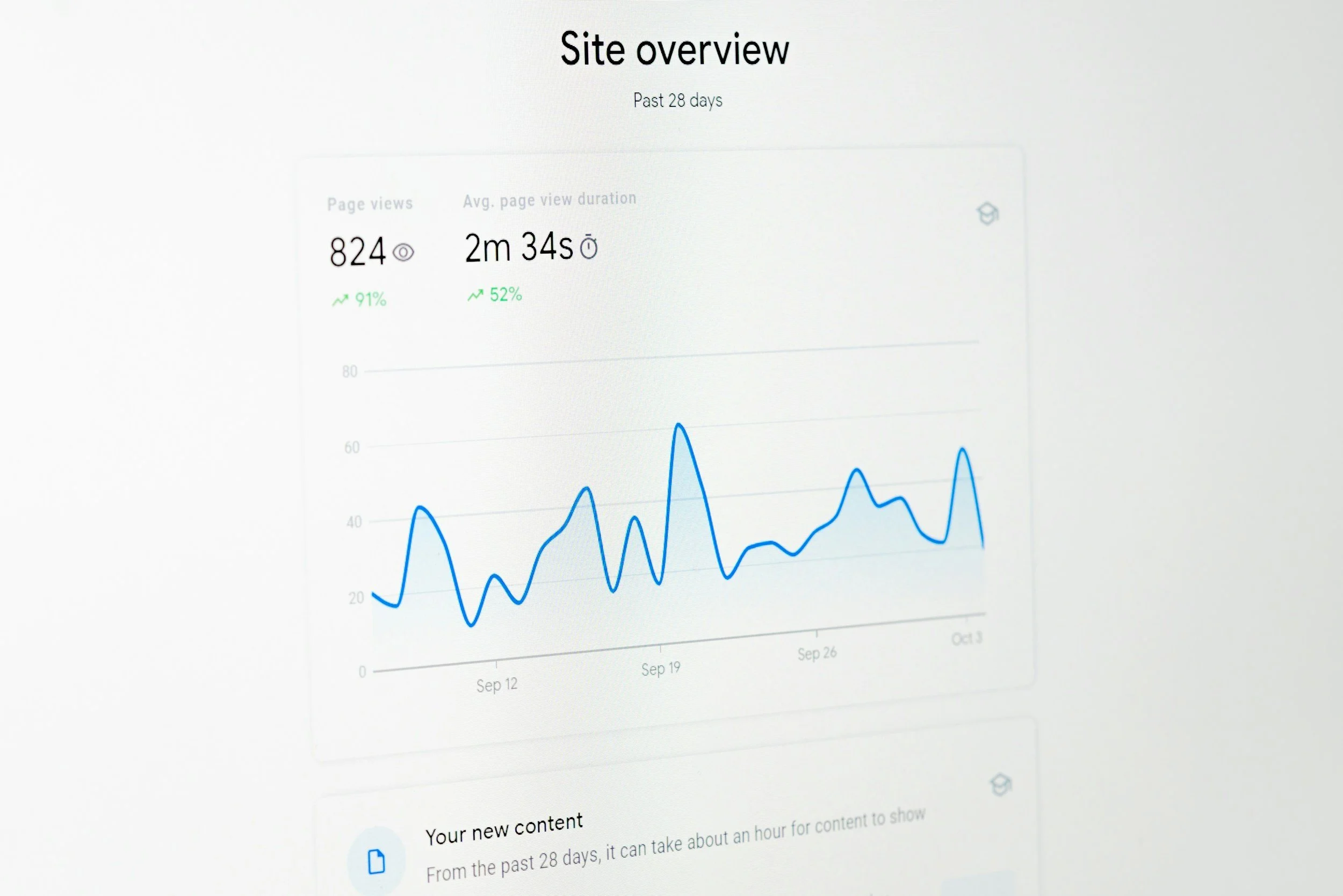
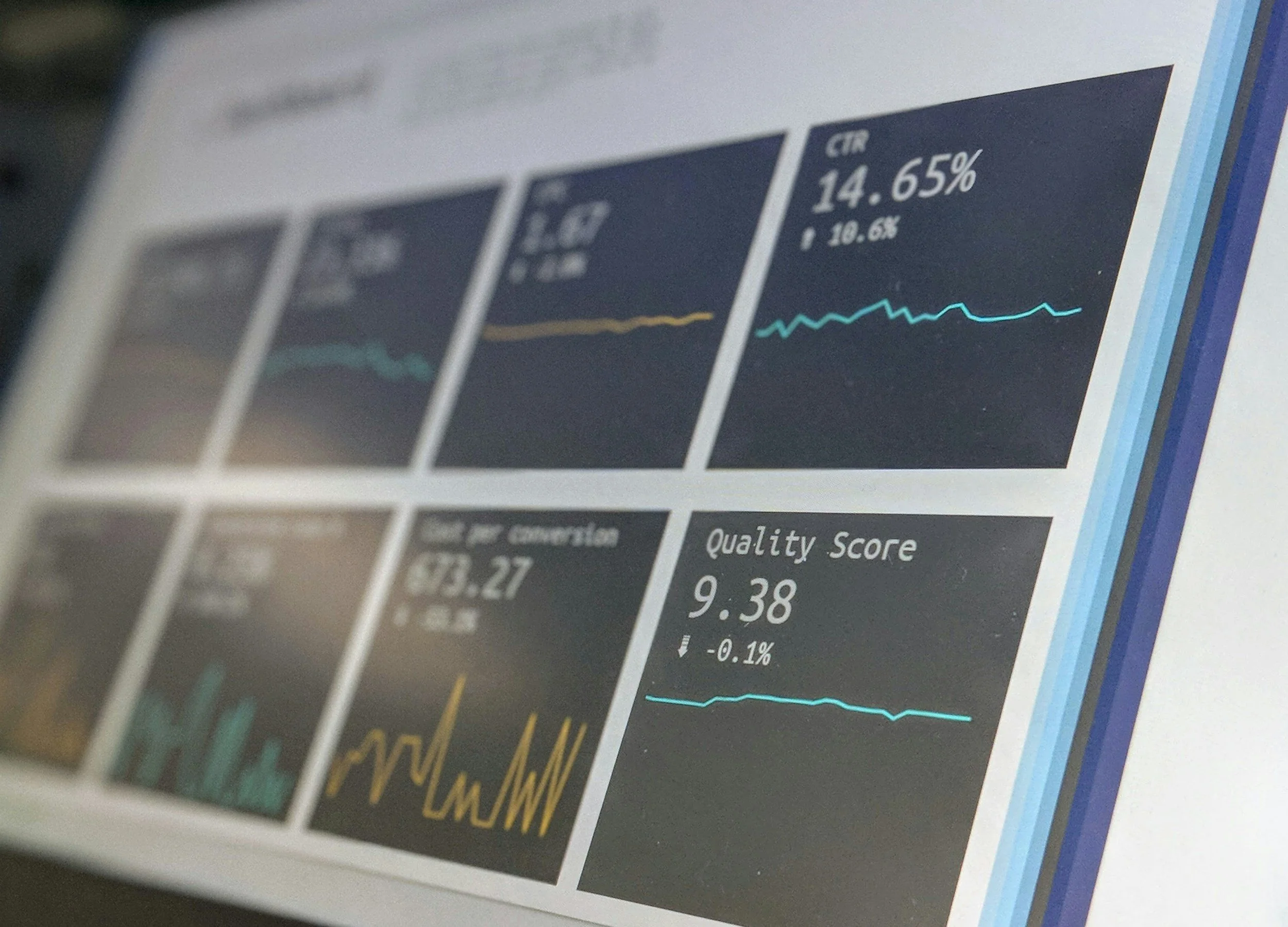
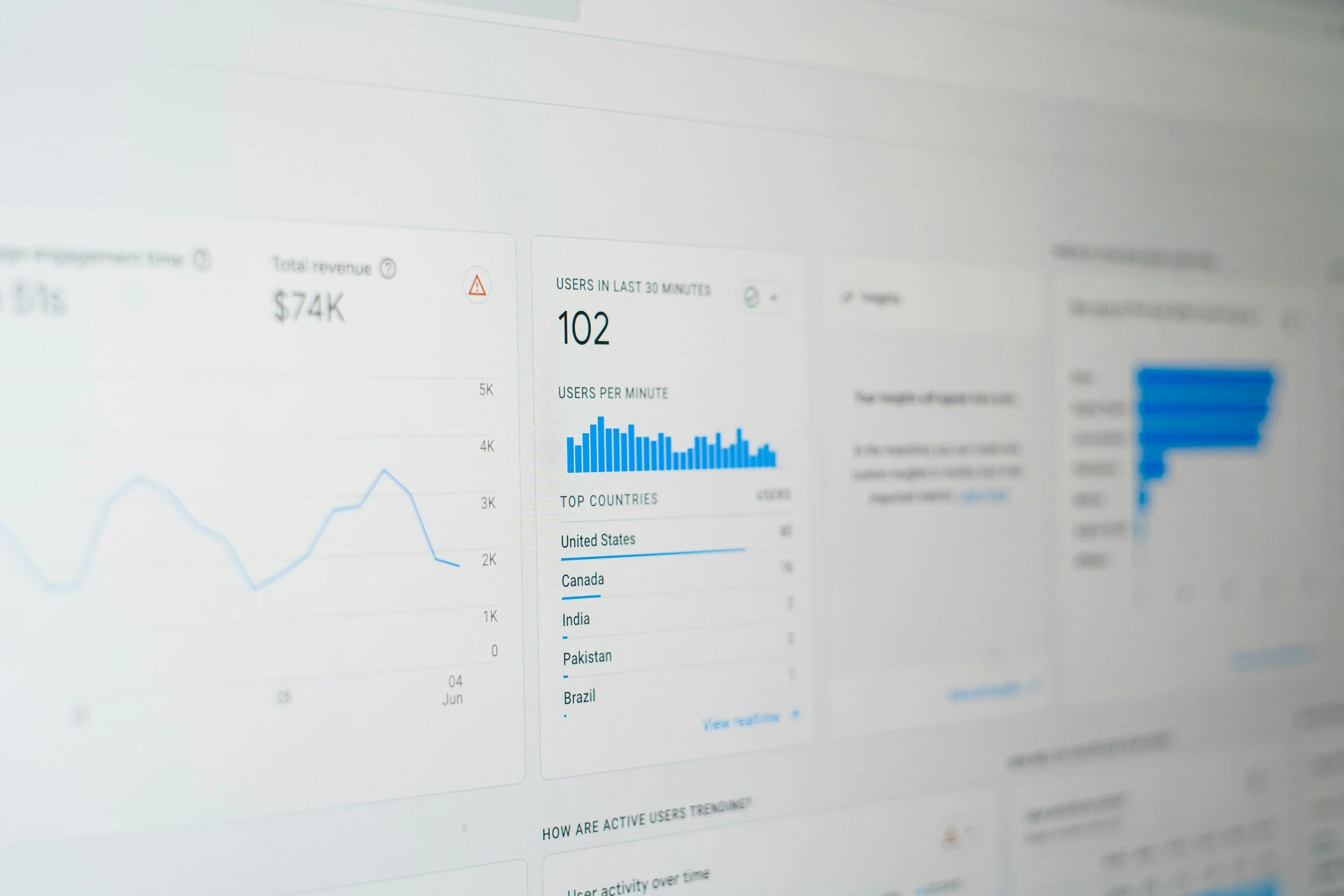
Monitoring and analyzing your SEO performance is an ongoing process. Utilizing tools like Google Analytics and Google Search Console provides valuable data on website traffic, keyword rankings, and user behavior. This data allows you to identify what’s working and what needs improvement. Regularly tracking these metrics enables data-driven adjustments to your SEO strategy. SEO isn’t a one-time fix; it requires consistent effort and adaptation to evolving search engine algorithms.
Keyword Research: Uncovering What Your Audience Searches For

Keyword research forms the bedrock of any successful search engine optimization (SEO) strategy. It’s the process of identifying the words and phrases people use when searching online for information related to a specific topic. Understanding these keywords allows website owners and content creators to tailor their content to meet the needs and expectations of their target audience. Without effective keyword research, efforts to improve search rankings are akin to shooting in the dark.
The initial step in keyword research involves brainstorming. Consider the core topic of your website or content. What are the main subjects you address? List out the terms that come to mind when you think about what your audience would type into a search engine to find what you offer. Don't worry about being exhaustive at this stage; the goal is to generate a comprehensive starting list. For example, a website about organic gardening might initially list terms like "vegetable gardening," "composting," and "pest control."
Once a preliminary list is compiled, it’s time to leverage keyword research tools. Several tools, both free and paid, can provide valuable data about keyword search volume, competition, and related terms. Google Keyword Planner is a popular free option, offering insights into search volume and competition levels for keywords. Other tools like Ubersuggest, SEMrush, Ahrefs, and Moz Keyword Explorer provide more advanced features, including competitor analysis and keyword difficulty scores. These scores indicate how challenging it will be to rank for a particular keyword.
Analyzing keyword data reveals crucial information. Search volume indicates how frequently a keyword is searched for each month. Higher search volume generally suggests greater potential traffic. However, it's not solely about volume. Consider the competition: keywords with high search volume and high competition can be difficult to rank for, especially for new websites. A more strategic approach often involves targeting long-tail keywords.
Long-tail keywords are longer, more specific phrases. For instance, instead of targeting the broad keyword “gardening,” a long-tail keyword might be "best organic fertilizer for tomatoes in raised beds." While long-tail keywords have lower search volume individually, they often have lower competition and attract highly qualified traffic – users who are further along in the buying process or have very specific needs. According to industry reports, long-tail keywords account for over 60% of all organic search traffic.
The process doesn't end with identifying keywords. It’s equally important to understand search intent. Search intent refers to the user's goal or purpose behind a search query. Are they looking for information (informational intent), trying to buy something (transactional intent), or looking for a specific website (navigational intent)? Content should align with the identified search intent. For example, a query like "how to build a compost bin" indicates informational intent, warranting a helpful guide. A search for "buy compost bin online" suggests transactional intent, requiring a product page with purchase options.
Keyword research is not a one-time task. It's an ongoing process that requires regular monitoring and adjustment. As search trends evolve and new keywords emerge, website owners need to adapt their keyword strategy to maintain relevance and maximize their reach. Regularly reviewing website analytics and using keyword tracking tools helps identify new opportunities and refine existing strategies. Google’s algorithm constantly updates, emphasizing the importance of staying informed about the latest SEO best practices.
On-Page Optimization: Crafting Search-Friendly Content and HTML
On-page optimization forms the bedrock of any successful SEO strategy. It involves directly manipulating elements on your web pages to improve their visibility in search engine results. This encompasses both the content itself and the underlying HTML code. A well-optimized page provides a positive user experience while also signaling to search engines that the page is relevant and authoritative for specific search queries.
The foundation of on-page SEO lies in creating high-quality, relevant content. This isn't simply about meeting a keyword target; it's about addressing the user's intent. What questions are people asking when they search for a particular term? What information are they seeking? Content should be comprehensive, informative, and engaging, often exceeding the expectations of the average searcher. However, quality always trumps quantity. Thin or duplicate content can actually harm your rankings.
Keyword research is the starting point for crafting this content. Understanding the keywords your target audience uses is crucial. These keywords should be naturally integrated into the page's elements without keyword stuffing – the overuse of keywords, which can be penalized by search engines.
Optimizing HTML Elements
Beyond content, the HTML structure of a page plays a vital role. Search engines use HTML tags to understand the content and hierarchy of a page. Key elements to optimize include:
Title Tag: This is the HTML <title> tag, displayed prominently in search results. It should be concise (under 60 characters), include the primary keyword, and accurately reflect the page's content.
Meta Description: The <meta name="description"> tag provides a brief summary of the page's content, appearing beneath the title tag in search results. While not a direct ranking factor, a compelling meta description can significantly improve click-through rates.
Heading Tags (H1-H6): These tags structure the content, indicating the importance of different sections. Use only one <h1> tag per page, typically for the main title, and then follow with <h2>, <h3>, and so on, for subheadings.
Image Alt Text: The alt attribute in the <img> tag provides a text description of an image. This is essential for accessibility and helps search engines understand the image's context.
URL Structure: A clean and descriptive URL helps both users and search engines understand the page's topic. Avoid long, complex URLs filled with unnecessary characters.
This highlights how thoughtful HTML can contribute to a positive user experience and potentially faster loading times. Google research indicates bounce rates are reduced by 32% with faster load times.
User Experience (UX) as an On-Page Factor
On-page optimization isn't solely about technical elements. User experience is increasingly considered a significant ranking factor. A page that is easy to navigate, loads quickly, and provides valuable content will naturally perform better. Mobile-friendliness is also paramount, as a significant portion of web traffic now comes from mobile devices. Google prioritizes mobile-first indexing, meaning it primarily uses the mobile version of a website for indexing and ranking.
Therefore, optimizing for on-page SEO requires a holistic approach, combining keyword strategy with careful attention to content quality, HTML structure, and user experience. It’s an ongoing process of refinement and adaptation to stay ahead in the ever-evolving landscape of search engines.
Technical SEO: Ensuring Your Website is Crawlable and Indexable
Technical SEO focuses on the behind-the-scenes elements of a website that enable search engine bots to discover, understand, and ultimately index its content. Without a solid technical foundation, even the most brilliant content and flawless on-page optimization efforts will struggle to rank. Essentially, technical SEO makes sure search engines can access and interpret your website effectively.
A primary concern within technical SEO is crawlability. This refers to how easily search engine crawlers, like Googlebot, can navigate through your website. A website’s structure significantly impacts crawlability. A well-organized website with a clear hierarchy and logical internal linking makes it simpler for bots to follow all the important pages. Conversely, a poorly structured site with broken links or a confusing navigation can hinder crawling. Regularly auditing your site for crawl errors is crucial. Search engine results pages (SERPs) often provide insights into crawl issues.
Another critical aspect of technical SEO is indexability. This determines whether a website’s pages are included in the search engine’s index – the massive database of web pages that Google and other search engines use to respond to queries. While crawlability ensures a bot can find a page, indexability ensures it will be included in search results. Factors affecting indexability include the presence of robots.txt files, meta robots tags, and canonical tags. The robots.txt file instructs search engine bots which parts of a website they are not allowed to crawl. Meta robots tags, placed in the HTML of a page, offer similar instructions but are more flexible. Canonical tags help search engines understand which version of a page is the preferred one when multiple versions with similar content exist. For instance, if a product page has slightly different URLs (e.g., with or without "www"), a canonical tag can signal the preferred version.
Website speed is increasingly important for both crawlability and indexability, and significantly impacts user experience. Slow-loading pages can frustrate users and lead to higher bounce rates, negatively affecting rankings. Optimizing images, leveraging browser caching, and choosing a fast web hosting provider are essential for improving website speed. Core Web Vitals, a set of metrics developed by Google, assess user experience aspects like loading speed, interactivity, and visual stability. Meeting Google’s Core Web Vitals thresholds is a key factor in achieving good search rankings.
Schema markup is a form of structured data that helps search engines understand the context of the content on a webpage. By adding schema markup, website owners can provide explicit information about their content, such as the type of page (e.g., article, product, event), the author, and ratings. This can lead to rich snippets in search results, making a website more visually appealing and informative. For example, a recipe page with schema markup can display star ratings directly in the search results.
Mobile-friendliness is no longer optional; it's a ranking factor. With the majority of web traffic coming from mobile devices, ensuring a website is responsive and provides a seamless experience on all screen sizes is paramount. Google prioritizes mobile-first indexing, meaning it primarily uses the mobile version of a website for indexing and ranking.
Regular monitoring and analysis are vital for maintaining good technical SEO. Tools like Google Search Console and Google Analytics provide valuable data on crawl errors, indexing status, website speed, and mobile usability. Addressing technical issues promptly and continuously monitoring website performance will contribute significantly to improved search visibility.
Building High-Quality Backlinks: Strategies for Authority and Trust
Backlinks are a cornerstone of effective Search Engine Optimization (SEO). They serve as votes of confidence from other websites, signaling to search engines that your content is valuable and trustworthy. Acquiring high-quality backlinks is a crucial, ongoing process for establishing authority and improving search rankings. It’s not simply about accumulating the most links; it’s about earning links from reputable sources.
One of the foundational strategies involves creating linkable assets. These are pieces of content so valuable and well-crafted that other websites will naturally want to link to them. Examples include comprehensive guides, original research, insightful infographics, and engaging tools. Such assets provide a tangible reason for other websites to cite and link back.
Another effective approach centers on guest posting. This involves writing and publishing articles on other websites within your niche. When done well, these articles include a link back to your website within the content or author bio. Guest posting allows you to tap into an existing audience and gain exposure to a new set of backlinks. To maximize the impact, focus on high-authority websites and offer genuinely valuable contributions relevant to their audience. It's less about blatant promotion and more about providing insightful content.
Beyond content creation, proactive outreach is essential. This involves identifying relevant websites and influencers in your industry and directly contacting them. The goal is to share your valuable content and request a link. Personalizing these outreach emails significantly increases the chances of a positive response. Generic, automated emails are often ignored. Consider demonstrating how your content might benefit their audience, or pointing out where it could complement their existing resources. For example, if you’ve published a detailed case study on a specific marketing strategy, reaching out to a blogger who frequently writes about that strategy with a personalized message highlighting its relevance could yield a valuable backlink.
Building relationships within your industry is a long-term strategy. Attending industry events (both online and in person) and engaging with other professionals on social media can lead to opportunities for collaboration and link-building. Sharing their content, commenting thoughtfully on their posts, and participating in relevant discussions can foster connections. This approach differs from directly asking for a link; it’s about building rapport and becoming a valuable member of the community.
Furthermore, analyzing your competitors’ backlink profiles can reveal potential link opportunities. Tools like Ahrefs, SEMrush, and Moz provide insights into the websites linking to your competitors. Identifying websites that aren’t already linking to you but are linking to your competitors can inform your outreach strategy. This isn't about copying their links; it's about identifying areas where you can offer even better content or a more valuable perspective. Understanding the types of websites that link to your competition can provide valuable direction.
It’s crucial to remember that the quality of a backlink matters more than the quantity. A single backlink from a highly authoritative website carries significantly more weight than dozens of links from low-quality or spammy sites. Google’s algorithms are designed to prioritize backlinks from trusted sources.
Finally, while link building is a vital aspect of SEO, it's important to maintain ethical practices. Avoid participating in link schemes or buying backlinks, as these tactics violate Google’s guidelines and can result in penalties. Focus on earning links naturally through valuable content and genuine relationships. A fundamental aspect of building trust is adhering to these ethical guidelines.
Content Optimization: Creating Engaging Content that Ranks
Creating content isn't just about filling pages with words; it’s a strategic process aimed at captivating audiences and signaling relevance to search engines. Content optimization focuses on enhancing the quality and appeal of your content to improve its visibility and ranking in search results. This involves understanding what search engines prioritize and tailoring your content accordingly.
One of the foundational aspects of content optimization is keyword research. This isn’t simply about stuffing keywords into your writing. Instead, it’s about identifying the terms and phrases your target audience uses when searching for information related to your niche.
Beyond keyword integration, readability plays a significant role. Search engines, including Google, prioritize user experience. Content that is easy to read and understand is favored. Aim for clear, concise language, using short sentences and paragraphs. Content should flow logically, using headings (H2, H3), subheadings, bullet points, and visuals to break up large blocks of text. A well-structured article, for example, might start with an overview of the topic, delve into specific details, and then offer actionable takeaways.
Creating truly engaging content goes beyond structure. It requires providing valuable, unique insights. Consider incorporating diverse content formats, such as videos, infographics, and interactive elements. Content that tells a story, offers practical advice, or presents data in an accessible way is more likely to resonate with readers and be shared.
Furthermore, E-E-A-T (Experience, Expertise, Authoritativeness, Trustworthiness) is paramount. Demonstrate your expertise by providing accurate, well-researched information and citing credible sources. Establishing authoritativeness involves building a reputation as a reliable source within your industry. This can be achieved through consistent high-quality content, earning backlinks from reputable websites, and participating in industry discussions. Trustworthiness is built by being transparent about your content, avoiding misleading claims, and providing clear contact information.
Local SEO: Attracting Customers in Your Geographic Area
Local SEO is the practice of optimizing a website to attract more visitors from a specific geographic area. For businesses with a physical location – like a restaurant, retail store, or service provider – this is a cornerstone of their online marketing strategy. It ensures that when potential customers nearby search for products or services they offer, the business appears prominently in search results. Effectively implementing local SEO can significantly boost foot traffic and ultimately increase revenue.
The core principle of local SEO revolves around signaling to search engines that a business is relevant to users searching within a particular location. This involves a multi-faceted approach, focusing on both on-page optimization and off-page strategies.
Optimizing Your Google Business Profile (GBP)

The Google Business Profile (formerly Google My Business) is arguably the most important factor in local SEO. It’s a free tool that allows businesses to manage their online presence across Google’s search and maps. Claiming and fully optimizing a GBP listing is the first, and arguably most crucial, step.
Here's what gets you started:
Complete All Sections: Provide accurate and detailed information, including business name, address (NAP), phone number, website, hours of operation, and a detailed business description.
Choose Relevant Categories: Select the most accurate categories that describe your business. Google allows for multiple categories, so use them to your advantage.
High-Quality Photos: Upload high-resolution photos of your business, both interior and exterior. Include photos of products or services.
Encourage and Respond to Reviews: Actively solicit reviews from satisfied customers and respond to all reviews, both positive and negative, in a professional and timely manner.
Utilize Google Posts: Regularly publish Google Posts to share updates, promotions, events, and offers. These posts appear in your GBP listing and can attract local customers.
NAP Consistency: The Foundation of Local SEO
NAP stands for Name, Address, and Phone number. Maintaining consistent NAP information across the web is critical. Inconsistent NAP data can confuse search engines and negatively impact rankings.
Here's how to ensure NAP consistency:
Claim Citations: Submit your business information to reputable online directories like Yelp, Bing Places, Yellow Pages, and industry-specific directories.
Regularly Audit Listings: Periodically check online directories to ensure your NAP information is accurate and consistent.
Use a Consistent Format: Employ the same format for your NAP information across all online platforms – for example, "123 Main Street, Anytown, CA 91234" rather than variations like "123 Main St" or "123 Main Street, Anytown, CA".
On-Page Optimization for Local Search
While GBP is paramount, on-page optimization also plays a role. This focuses on optimizing your website content to incorporate local keywords and signals.
Local Keyword Research: Identify keywords that local customers are using to search for your products or services. Tools like Ubersuggest, Semrush, and Ahrefs can assist with this.
Optimize Page Titles & Meta Descriptions: Include your city or service area in your page titles and meta descriptions. This tells search engines where your business is located.
Use Local Schema Markup: Implement schema markup to provide search engines with detailed information about your business, such as its location, hours of operation, and reviews.
Create Location Pages: If you have multiple locations, create separate pages for each, including specific details about each location.
Building Local Citations and Backlinks
Local citations are mentions of your business name, address, and phone number on other websites. They act as trust signals to search engines. Backlinks from other local websites – such as local news sites, community organizations, or other businesses – further enhance your website’s authority and ranking potential.
Building high-quality citations and backlinks takes time and effort, but it’s a crucial component of a successful local SEO strategy.
Businesses that proactively implement these local SEO strategies can significantly improve their visibility in local search results, attracting more customers and driving growth.
Mobile SEO: Optimizing for the Mobile-First Search Experience
The digital landscape has fundamentally shifted. Today, a significant majority of internet users access the web through their mobile devices. This mobile-first reality isn't just a trend; it's the dominant mode of consumption, making mobile SEO a cornerstone of any successful online strategy. Search engines, most notably Google, have recognized this shift and prioritize mobile-friendly websites in their rankings. Therefore, optimizing for mobile isn't an optional extra; it's a fundamental requirement for visibility.
One crucial aspect of mobile SEO revolves around responsive design. This ensures a website adapts seamlessly to various screen sizes, from smartphones to tablets. A website that isn't responsive can lead to a poor user experience, characterized by cramped text, difficult navigation, and slow loading times. Tools like Google PageSpeed Insights provide valuable insights and recommendations for optimization.
Mobile-first indexing is another critical concept. Google primarily uses the mobile version of a website for indexing and ranking. This means that the content and structure of the mobile site are the primary factors Google considers when determining a website's position in search results. If the mobile version of a site is incomplete or offers a significantly different experience from the desktop version, it can negatively affect search rankings. It's therefore essential to ensure that the mobile site contains all the essential content and functionality of the desktop site.
User experience (UX) on mobile devices is also a major ranking factor. This encompasses how easily users can navigate a site, find information, and complete desired actions. Consider the placement and size of buttons, the clarity of calls to action, and the overall flow of the site. A frustrating mobile experience will likely lead to high bounce rates and low engagement, both of which can harm search rankings. Simple navigation, clear content hierarchy, and optimized touch targets are crucial for good mobile UX.
Here are some actionable tips for improving your mobile SEO:
Prioritize mobile-friendly content: Ensure content is easily readable on smaller screens.
Optimize images for mobile: Compress images to reduce file size without sacrificing quality.
Implement a clean and intuitive navigation: Make it easy for mobile users to find what they're looking for.
Use concise and scannable content: Mobile users often scan content rather than reading it in detail.
Ensure fast loading times: Optimize your website's speed for mobile devices.
Utilize schema markup: Implement structured data to help search engines understand your content.
The mobile landscape continues to evolve. As mobile devices become even more integral to daily life, the importance of mobile SEO will only increase. Businesses that prioritize mobile optimization will be better positioned to reach their target audience and achieve their online goals. Neglecting mobile SEO, on the other hand, risks losing out on a significant portion of potential traffic and customers.
Optimizing for AI: The Next Layer Beyond SEO
AI Optimization (AIO) is the natural extension of SEO in an ecosystem increasingly shaped by large language models, generative search engines, and AI-powered assistants. While traditional SEO optimizes content for ranking and click-through within search engine results pages, AIO focuses on how AI systems retrieve, interpret, and synthesize content to generate direct answers. As search evolves from link-based discovery to answer-based interfaces, visibility is no longer determined solely by rankings, but by whether AI systems can confidently understand and reuse your content.
From Ranking Signals to Retrieval and Understanding
At the core of AIO is a shift from optimizing for algorithmic ranking signals to optimizing for machine understanding. AI systems rely on semantic retrieval, embeddings, and contextual relevance rather than keyword frequency or backlink volume alone. Content must therefore be structured in a way that enables AI models to clearly identify entities, concepts, and relationships. This means reducing ambiguity, avoiding vague language, and ensuring that each section of content serves a distinct informational purpose that can stand on its own when extracted or summarized.
Semantic Structure and Information Architecture
A key action in AIO is the deliberate design of semantic structure. This includes using clear headings, logical content hierarchies, and consistent terminology to signal how information is organized and how ideas relate to one another. Well-defined sections, concise explanations, and explicit definitions improve how AI systems chunk and retrieve content. From a practical standpoint, this also involves aligning page structure with common query intents—such as definitions, comparisons, processes, and outcomes—so AI systems can easily match content to user questions.
Entity Clarity and Topical Depth
AI systems increasingly rely on entity recognition and contextual associations to evaluate credibility and relevance. AIO requires clearly defining key entities—such as brands, concepts, technologies, or methodologies—and consistently reinforcing their meaning throughout the content. Rather than producing isolated pages optimized for individual keywords, AIO favors topical depth, where related concepts are comprehensively covered and interconnected. This helps AI models build a stronger contextual understanding of your expertise within a given domain.
Content Designed for Reuse and Citation
Unlike traditional SEO, where success is often measured by clicks, AIO acknowledges that AI systems may surface content without sending traffic back to the source. As a result, content must be written to be self-contained, precise, and quotable. Clear explanations, authoritative statements, and evidence-based insights increase the likelihood that AI systems will reuse or cite the content when generating answers. This shifts the focus from persuasion and conversion to accuracy, clarity, and informational value.
Aligning with Natural Language Queries
AIO also requires aligning content with how users naturally phrase questions in conversational and generative search environments. This involves anticipating long-form, intent-driven queries and addressing them directly within the content. Writing in clear, declarative language—while maintaining technical rigor—helps AI systems map user intent to the most relevant sections of a page, improving the chances of being surfaced in AI-generated responses.
Measuring and Analyzing SEO Performance: Tracking Your Progress
Understanding how well your website performs in search engine results is crucial for any successful SEO strategy. Without tracking and analysis, efforts can be misdirected, and progress remains unseen. This section explores the key metrics to monitor, the tools available for analysis, and how to interpret the data to continuously improve your website's visibility.
The journey of SEO isn't a destination; it’s an ongoing process of optimization. Therefore, consistent monitoring is essential. Begin by focusing on fundamental metrics that reflect your website's overall health and performance. These include organic traffic, keyword rankings, bounce rate, time on page, and conversion rates.
Key Metrics to Track
Organic Traffic: This represents the number of visitors arriving on your website from unpaid search engine results. Tracking this metric reveals the effectiveness of your SEO efforts in attracting visitors organically. Consider using Google Analytics or Google Search Console to monitor this trend over time. A steady increase in organic traffic is a positive indicator.
Keyword Rankings: Monitor the position of your target keywords in search engine results pages (SERPs). Keyword tracking tools, like SEMrush, Ahrefs, or Moz Pro, provide insights into ranking fluctuations. Analyzing keyword rankings helps identify which keywords are performing well, which need optimization, and potential opportunities for new keyword targets.
Bounce Rate: Bounce rate measures the percentage of visitors who leave your website after viewing only one page. A high bounce rate can indicate issues with content relevance, website design, or user experience. Google Analytics provides this data, allowing for the identification of problematic pages.
Time on Page: This metric indicates how long visitors spend on a specific page. A longer time on the page often suggests engaging content that resonates with users. It also signals to search engines that your content is valuable. Google Analytics provides this data, helping you gauge content effectiveness.
Conversion Rate: Conversion rates measure the percentage of visitors who complete a desired action, such as making a purchase, filling out a form, or subscribing to a newsletter. This metric directly reflects the business impact of your SEO efforts. Tracking conversion rates requires setting up conversion goals in Google Analytics.
Tools for SEO Analysis
Several tools facilitate the tracking and analysis of SEO performance.
Google Analytics: A free web analytics service that provides comprehensive data on website traffic, user behavior, and conversions. It’s a fundamental tool for any SEO professional.
Google Search Console: This free tool helps monitor your website's presence in Google search results. It provides insights into keyword rankings, crawl errors, and mobile usability issues. It’s also vital for submitting sitemaps and requesting indexing. According to Google, using Search Console helps website owners understand how Google sees their site.
UberSuggest, SEMrush, Ahrefs: These are paid SEO tools offering advanced features like keyword research, competitor analysis, backlink analysis, and rank tracking. While they come with a cost, the detailed data they provide can significantly enhance SEO efforts.
Interpreting Data and Taking Action
Data alone doesn’t tell the whole story. Analyzing trends and patterns is key to extracting actionable insights. If organic traffic is declining, investigate potential causes like algorithm updates, increased competition, or technical issues. If keyword rankings are dropping for important terms, review your content and on-page optimization.
For instance, if a particular landing page has a high bounce rate, it might indicate that the content doesn't match user expectations based on the search query. In such cases, consider revising the content to better align with user intent. Another scenario involves a significant drop in organic traffic after a Google algorithm update. This necessitates a careful review of website health and optimization strategies, potentially including technical audits and content updates.
Furthermore, consider analyzing competitor performance. Observe their keyword rankings, content strategies, and backlink profiles to identify areas for improvement. However, avoid simply copying competitor tactics; focus on creating unique and valuable content that addresses user needs.
By diligently tracking key metrics and leveraging available tools, website owners can gain valuable insights into their SEO performance, identify areas for improvement, and ultimately achieve their online goals. Regular analysis allows for proactive adjustments, ensuring your SEO strategy remains effective and adaptable in the ever-evolving digital landscape.
Your Future Customers Are Already Searching
Every day, people are looking for answers, solutions, and businesses they can trust. SEO helps your brand become part of that journey—connecting you with the people who need what you offer most.
With the right strategy in place, your website can become more than an online presence. It can become a valuable tool for building trust, growing your audience, and creating new opportunities for your business.
If you're ready to increase your visibility, strengthen your online presence, and create momentum for the future, we're here to support you every step of the way.
FAQs: The Principles of SEO
-
SEO (Search Engine Optimization) is the practice of improving a website’s visibility in search engine results. It helps search engines understand your content, match it to user intent, and rank it appropriately, which leads to increased organic traffic, credibility, and discoverability.
-
A strong SEO strategy includes keyword research, on-page optimization, technical SEO, high-quality content creation, off-page optimization (such as backlinks), mobile optimization, and ongoing performance measurement and analysis.
-
Keyword research identifies the terms and phrases your target audience uses when searching online. By understanding search volume, competition, long-tail keywords, and search intent, you can create content that aligns closely with user needs and improves ranking potential.
-
On-page SEO focuses on optimizing content and HTML elements like title tags, headings, meta descriptions, and internal links. Technical SEO ensures search engines can crawl, index, and understand your site through factors like site speed, mobile-friendliness, structured data, and proper indexing controls.
-
Backlinks act as signals of trust and authority from other websites. High-quality backlinks from reputable sources are more valuable than large quantities of low-quality links. Ethical strategies include creating linkable content, guest posting, outreach, and relationship building.
-
SEO is expanding into AI Optimization (AIO), which focuses on making content easily understood, retrieved, and reused by AI systems. This involves semantic structure, clear entity definitions, topical depth, and content designed to answer natural-language queries accurately and authoritatively.
Related Blogs