Shopify: The Ultimate Guide to Grow Your Online Store
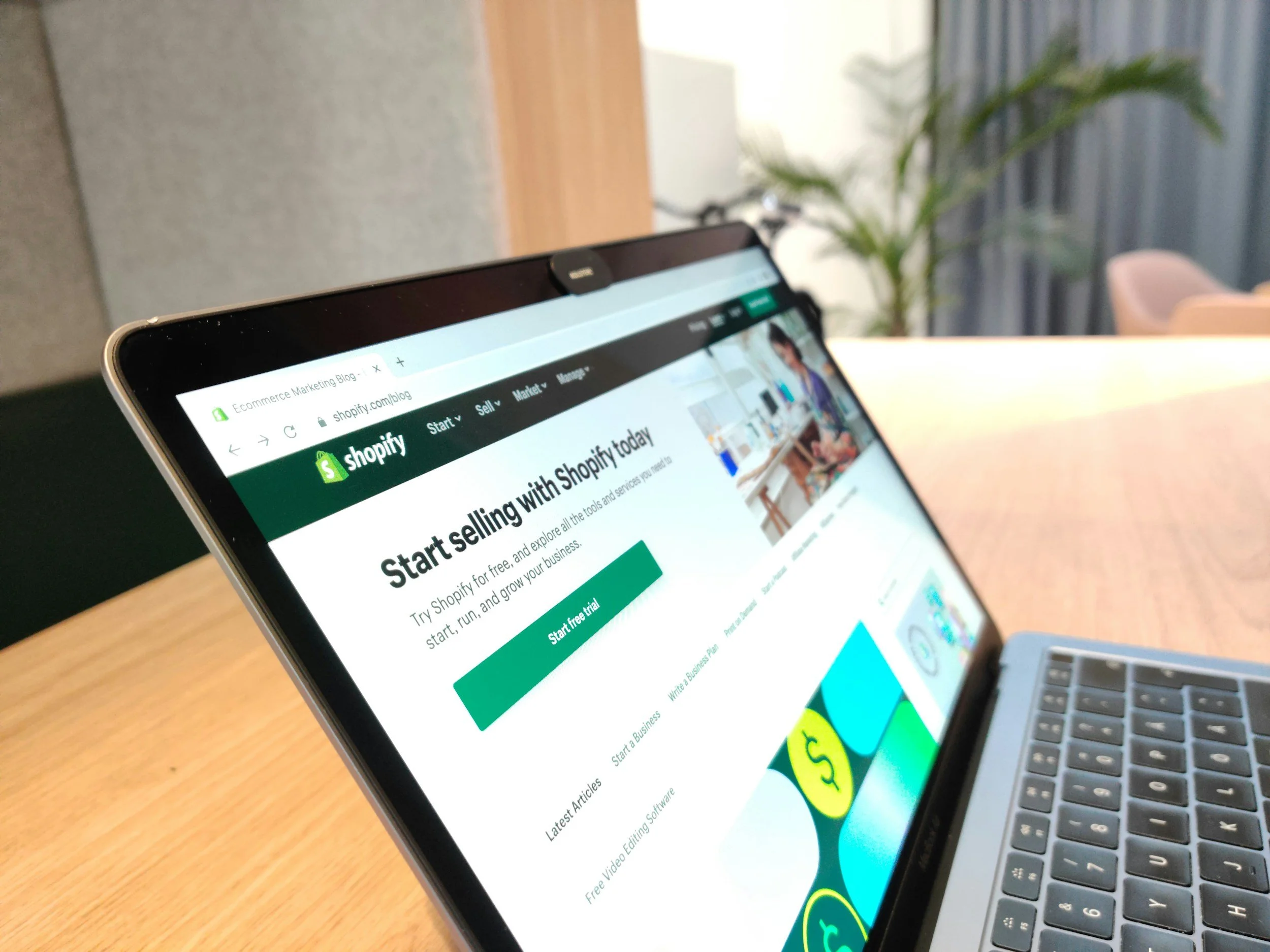
Building a Shopify store is an exciting first step. Growing it into a profitable, sustainable business is where strategy truly comes into play.
Shopify has become one of the most trusted e-commerce platforms for brands at every stage — from first-time founders to global retailers. But success on Shopify doesn’t happen by accident. It’s driven by intentional design, a clear ecommerce marketing strategy, and a deep understanding of how to attract, convert, and retain customers.
In this ultimate guide, we’ll walk you through every key stage of growing your Shopify store — from understanding the platform itself to scaling your business with confidence. If you’ve ever wondered how to market your Shopify store more effectively, this guide is designed to give you clarity, not overwhelm.
Shopify Fundamentals: Understanding the E-commerce Platform & Its Core Benefits
Before diving into growth tactics, it’s essential to understand what makes Shopify such a powerful foundation for e-commerce businesses.
At its core, Shopify is an all-in-one platform that lets you design your store, manage products and inventory, process payments, and market your business from a single central dashboard. This simplicity is one of its greatest strengths. Instead of juggling multiple tools and platforms, Shopify brings everything together in an accessible, reliable, and scalable way.
What truly sets Shopify apart is how well it supports growth. You can launch with a simple setup and gradually add more advanced features as your business evolves. Whether you’re selling five products or five thousand, Shopify adapts without requiring a complete rebuild. This flexibility gives store owners peace of mind and allows them to focus on strategy rather than technical limitations.
For brands that are serious about growth, Shopify also offers a strong ecosystem of apps, integrations, and customisation options. This means your store doesn’t just function well — it can be tailored to your exact business goals.
Building Your Online Store: Navigating Shopify’s Interface and Setting Up Your Shop
Once you’ve chosen Shopify, the way you set up your store lays the groundwork for everything that follows.
The Shopify dashboard acts as the control centre for your business. From here, you manage products, orders, customers, content, and analytics. Spending time getting familiar with this interface early on makes a significant difference later, especially when you start optimising performance and marketing efforts.
A strong Shopify setup goes beyond simply uploading products. Structure matters. Your navigation should feel intuitive, your product categories should be easy to understand, and your key pages — such as shipping information, FAQs, and contact details — should be effortless to find. This clarity doesn’t just improve user experience; it also supports SEO and helps search engines understand your site more effectively.
Payment and shipping settings are equally important. Customers are far more likely to complete a purchase when pricing is transparent, delivery expectations are clear, and payment methods feel familiar and secure. These practical details may seem small, but together they build trust — and trust is essential for conversion.
Designing a Conversion-Optimised Shopify Website: Themes, Customisation, and User Experience
Design plays a much bigger role in growth than many store owners realise. A Shopify website isn’t just a digital shopfront — it’s a guided experience that leads visitors towards taking action.
Choosing the right theme is the starting point. A well-designed theme provides a clean structure, strong mobile responsiveness, and fast loading speeds. However, a theme alone is never enough. Customisation is what transforms a Shopify store from a generic template into a recognisable brand.
Your typography, colour palette, imagery, and layout should all work together to communicate who you are and what you stand for. Consistency across these elements creates a sense of professionalism and makes customers feel confident buying from you.
User experience is where conversion truly happens. A conversion-optimised Shopify website removes friction at every step. Navigation feels natural, product information is clear, calls to action are visible without being pushy, and the checkout process is simple and distraction-free. When design and strategy align, customers don’t need convincing — the experience does the work for you.
Product Management & Inventory Control: Listing, Organising, and Managing Your Products
Your products are at the heart of your Shopify store, and how you present them directly affects sales.
High-performing product pages go beyond basic descriptions. They tell a story, explain benefits clearly, and help customers imagine the product in their lives. Strong visuals, thoughtful copy, and transparent information around pricing and delivery all work together to remove doubt and encourage confident purchasing decisions.
As your store grows, organisation becomes increasingly important. Well-structured collections and logical product groupings make it easier for customers to browse, compare, and discover new items. This structure also supports your broader ecommerce marketing strategy by improving internal linking and SEO performance.
Inventory management plays a crucial role behind the scenes. Shopify’s tools allow you to track stock levels, monitor sales trends, and plan ahead. This visibility helps you avoid overselling, manage cash flow more effectively, and make informed decisions about which products to scale or refine.
Marketing Your Shopify Store: SEO, Social Media, and Email Marketing Strategies
Marketing is where many Shopify store owners feel stuck. The key is understanding that growth doesn’t come from one channel alone, but from a balanced ecommerce marketing strategy that works together cohesively.
Search engine optimisation is one of the most powerful long-term strategies for Shopify growth. By optimising your product pages, collections, and content with relevant keywords, you increase your chances of being found by customers who are already searching for what you offer. SEO is not about quick wins — it’s about building visibility and authority over time.
Social media plays a different role. Rather than focusing purely on sales, it’s most effective when used to build connection and trust. Sharing behind-the-scenes moments, educating your audience, and highlighting real customer experiences help humanise your brand and drive meaningful traffic back to your store.
Email marketing is where relationships deepen. By nurturing subscribers with thoughtful, value-driven content, you turn first-time visitors into repeat customers. Automated flows such as welcome emails and abandoned cart reminders work quietly in the background, supporting growth without constant manual effort.
Understanding how to market your Shopify store means recognising the role each channel plays — and allowing them to complement one another rather than compete.
Advanced Shopify Features: Apps, Integrations, and Customisation for Growth
As your business evolves, Shopify’s flexibility becomes even more valuable.
Apps allow you to extend your store’s functionality, whether that’s through advanced email automation, customer reviews, upselling tools, or in-depth analytics. The key is intentionality. Each app should serve a clear purpose and support your broader strategy, rather than adding unnecessary complexity.
Integrations help streamline operations by connecting Shopify with other tools you rely on, such as accounting software, fulfilment services, or marketing platforms. These connections save time, reduce errors, and allow you to focus on strategic decisions rather than admin.
For brands ready to elevate their store further, custom development opens the door to more tailored experiences. From unique layouts to advanced performance optimisation, customisation allows your Shopify store to grow in sophistication alongside your business.
Scaling Your E-commerce Business with Shopify: Performance Optimisation and Future Growth
Scaling isn’t just about selling more products. It’s about building systems that support growth sustainably.
As traffic increases, performance becomes critical. Site speed, mobile usability, and checkout efficiency all have a direct impact on conversion rates. Regularly reviewing and refining these elements ensures your store continues to perform as demand grows.
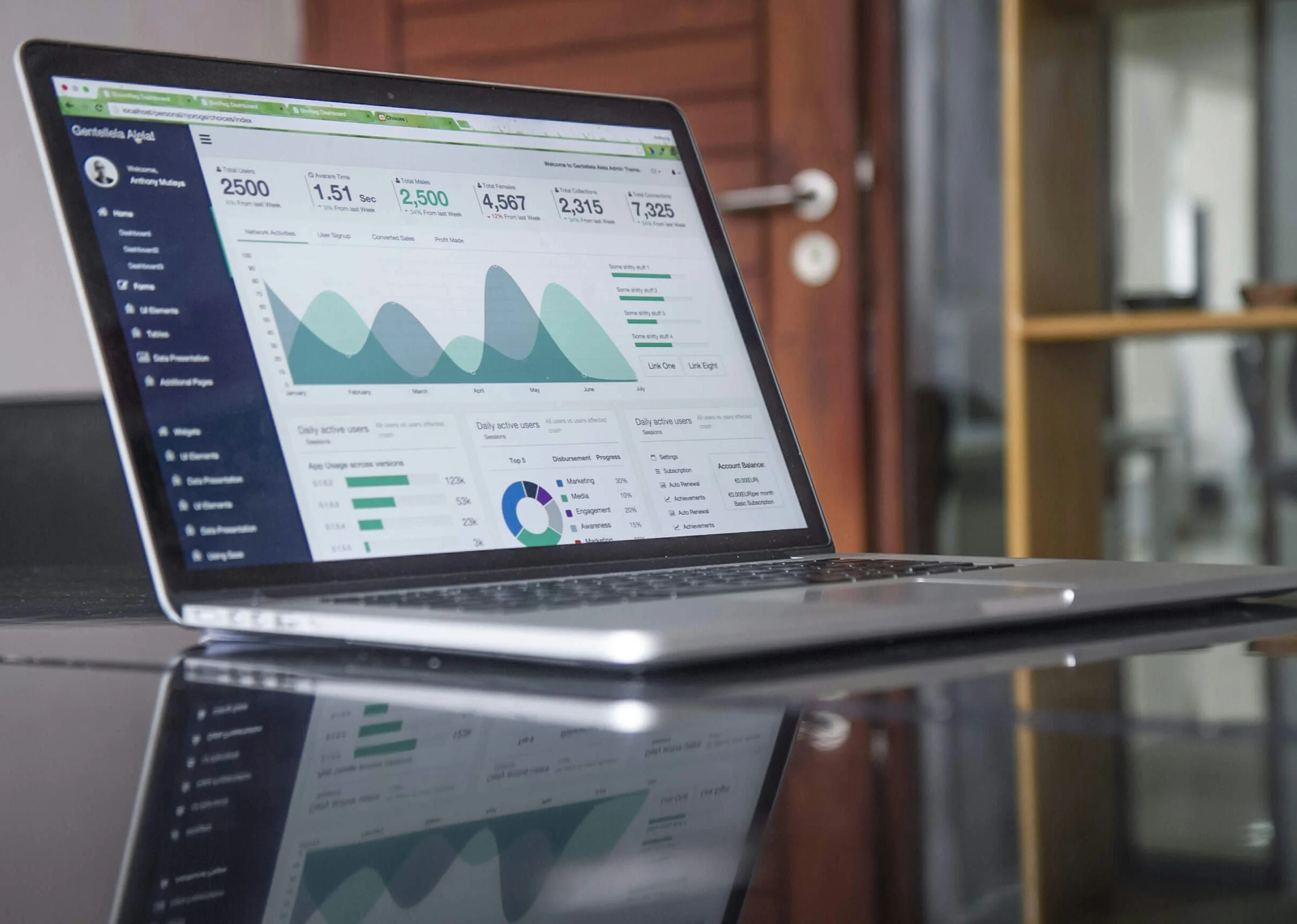
Data plays a central role in scaling with confidence. Shopify’s analytics provide valuable insight into customer behaviour, traffic sources, and sales trends. When used strategically, this data helps you refine your e-commerce marketing strategy and make decisions rooted in clarity rather than guesswork.
Long-term growth often involves expanding product lines, strengthening brand positioning, investing in SEO content, or entering new markets. Shopify supports all of this — but success comes from planning, not reactive changes.
Final Thoughts
Shopify gives you the tools to build an online store. Strategy is what turns those tools into meaningful growth.
When your design, content, and ecommerce marketing strategy work together, your Shopify store becomes more than a place to sell products — it becomes a platform for long-term success. Understanding how to market your Shopify store with clarity and intention allows you to grow with confidence, not overwhelm.
Ready to Turn More Visitors Into Customers?
Your products deserve a store that makes shopping simple, enjoyable, and memorable. With strategic design, persuasive copy, and a user-friendly shopping experience, your e-commerce website can become one of your most valuable business assets.
Whether you're selling a handful of products or managing a growing catalogue, we'll help you create an online store designed to build trust, increase conversions, and support sustainable growth.
FAQs About Shopify
-
Yes. Shopify is designed to scale alongside your business. Its flexibility, security, and extensive app ecosystem make it suitable for both early-stage stores and established brands looking to grow sustainably.
-
Results depend on the channels you focus on. Paid marketing can drive quicker visibility, while SEO and content marketing typically take several months to gain momentum. The most effective strategies balance short-term traction with long-term growth.
-
Absolutely. Shopify provides a strong technical foundation, but SEO strategy is what helps your store get discovered. Optimising content, structure, and keywords is essential if you want consistent organic traffic.
-
The right channels depend on your audience, product type, and goals. A strategic approach looks at where your customers already spend time and builds a marketing mix around that behaviour.
-
Yes. Shopify is built to handle high volumes of traffic and products. With the right optimisation and infrastructure, it performs reliably even as your store scales.
Related Blogs