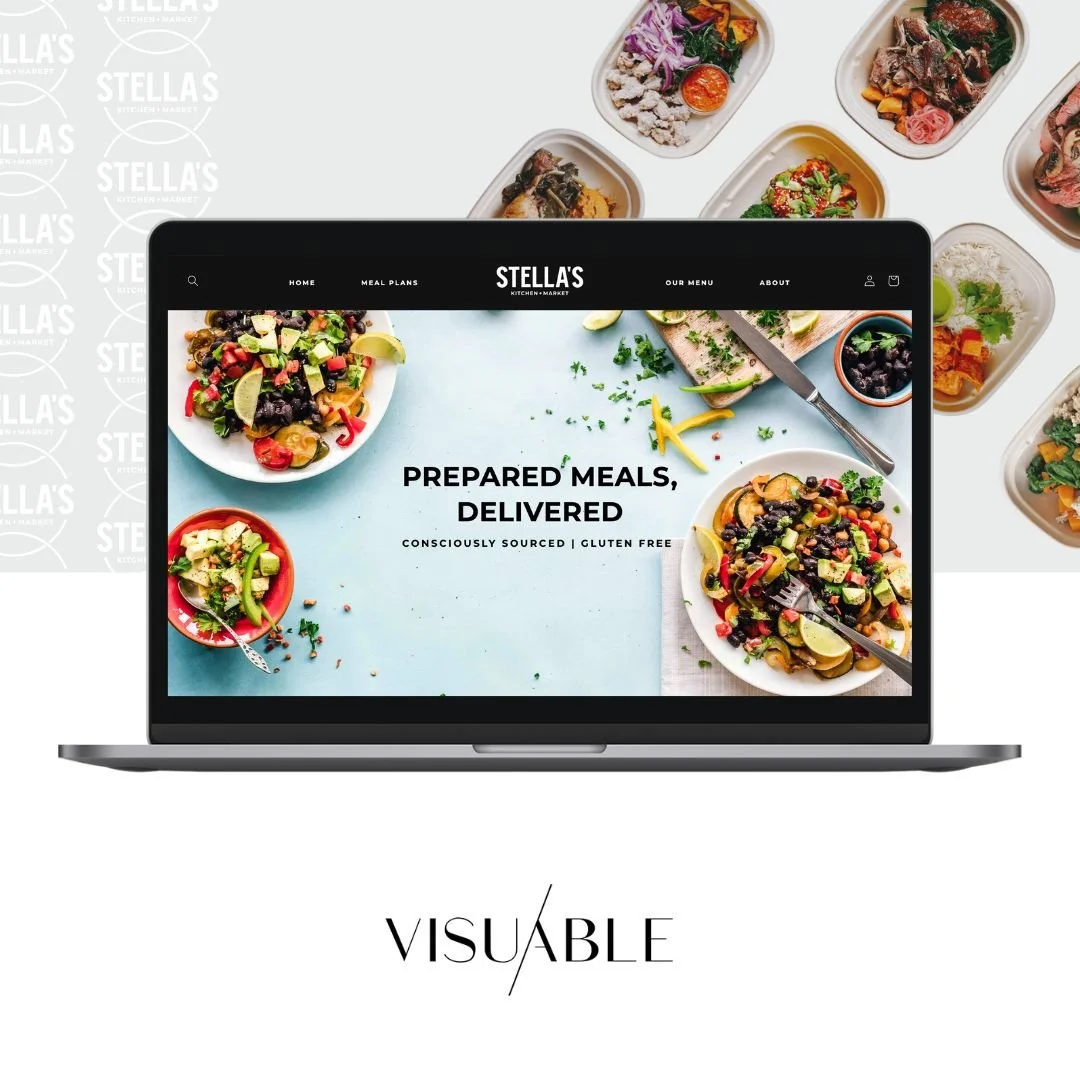
Marketing for Shopify Store: How to Turn Traffic into Consistent Sales
Marketing for a Shopify store's success is about more than running a few ads and hoping for the best. It’s about building a clear strategy that attracts the right people, nurtures trust, and turns browsers into loyal customers.
Shopify gives you powerful tools. Yet without a strong marketing foundation, even the most beautifully designed store can struggle to grow. The good news? With the right structure in place, your store can become a reliable sales engine that works for you long-term.
Let’s explore how to approach marketing for Shopify store growth in a way that feels strategic, sustainable, and aligned with your brand.
Build Strong Foundations Before Scaling
Before investing heavily in ads or influencers, make sure your store is ready to convert. Marketing brings traffic. Strategy turns it into revenue.
Start with clarity. Who are you selling to? What problem do you solve? Why should someone choose your brand over competitors? When your messaging is specific and confident, everything else becomes easier.
Your homepage should communicate value within seconds. Product pages must highlight benefits, not just features. Clear calls-to-action guide visitors effortlessly through the buying journey.
This is where brand strategy and copywriting play a vital role. A store that feels cohesive, trustworthy, and aligned will naturally perform better. If you’re refining your messaging, you might find inspiration in our insights on strategic brand positioning and conversion-focused web design on the Visuable blog.
SEO: The Long-Term Growth Engine
Search engine optimisation is one of the most powerful tools in marketing for a Shopify store's visibility. While paid ads create immediate traffic, SEO builds sustainable momentum.
Start with keyword research. Identify what your ideal customers are actively searching for. Optimise your product titles, meta descriptions, URLs, and headings. Ensure your site structure is clean and mobile-friendly.
Blog content is especially powerful. Educational articles related to your niche attract organic traffic and position your brand as an authority. For example, if you sell skincare products, writing helpful guides around routines, ingredients, or common concerns can drive highly relevant visitors to your store.
Consistency is key. SEO rewards patience and strategic execution. Over time, your Shopify store can begin ranking for valuable keywords, bringing in traffic without ongoing ad spend.
Paid Advertising with Purpose
Paid ads can accelerate marketing for a Shopify store's growth when executed strategically. However, running ads without clarity often leads to wasted budget.
Start by identifying your most profitable products. Create compelling creatives that highlight transformation and benefits. Focus on one clear message per campaign.
Retargeting is especially effective. Many visitors will browse but not purchase immediately. Retargeting ads remind them of what they viewed and gently bring them back to complete the purchase.
The goal isn’t just more traffic. It’s better traffic. Ads should support a bigger strategy, not replace it.
Email Marketing: Your Most Valuable Asset
When it comes to marketing for Shopify store longevity, email marketing is often underestimated. Yet it’s one of the highest-converting channels available.
Your email list is owned traffic. Algorithms can change. Ad costs can rise. Your list remains yours.
Offer a meaningful incentive for sign-ups, such as a discount, free guide, or early access to new launches. Then build automated flows: welcome sequences, abandoned cart reminders, post-purchase follow-ups, and loyalty rewards.
Well-crafted emails build relationships. They create a connection. They remind customers why they chose you in the first place.
Content and Social Proof Build Trust
Trust is the currency of e-commerce. Without it, marketing efforts fall flat.
Encourage customer reviews and showcase testimonials on product pages. Share user-generated content on social media. Highlight before-and-after results if relevant.
Content marketing also strengthens credibility. Behind-the-scenes stories, founder journeys, and educational posts humanise your brand. When customers feel connected, they’re more likely to purchase and recommend you to others.
Marketing for a Shopify store's success isn’t about pushing products. It’s about creating meaningful brand experiences that inspire confidence.
Optimise, Measure, Refine
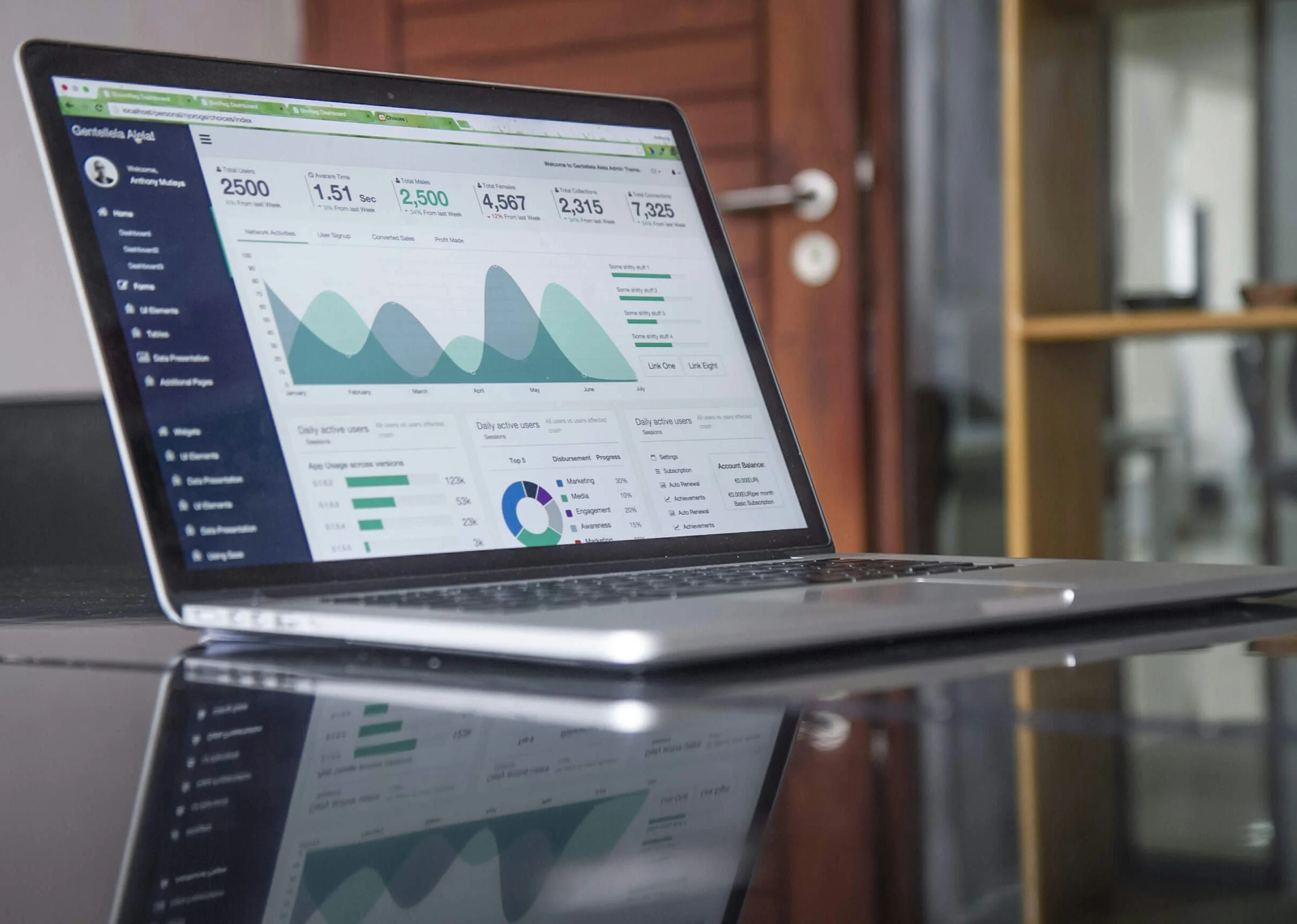
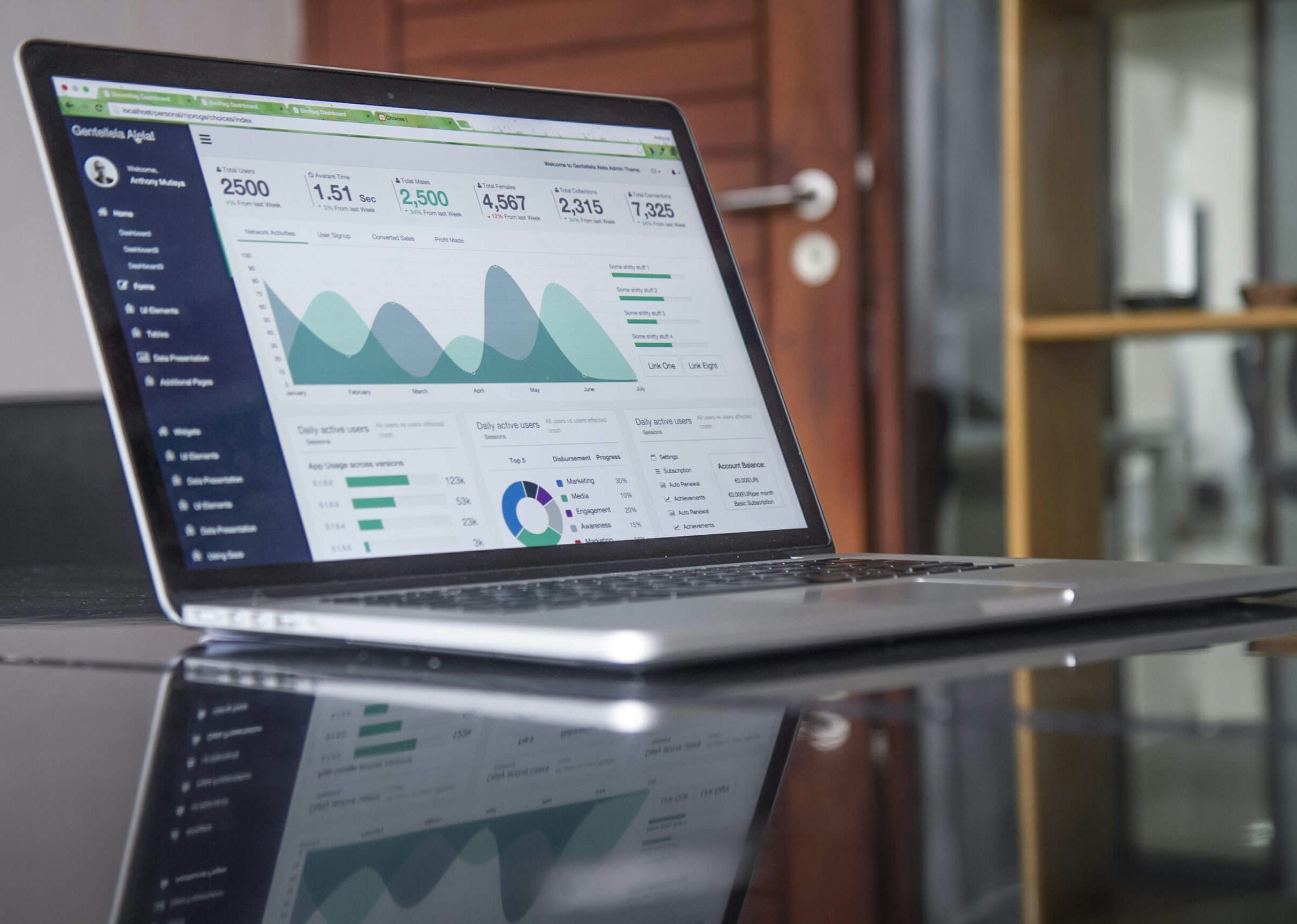
Growth comes from iteration. Use Shopify analytics and tools like Google Analytics to track traffic sources, conversion rates, and customer behaviour.
Which pages convert best? Where do visitors drop off? Which campaigns drive the highest revenue?
Small refinements can create significant improvements. Adjust headlines. Test new product images. Improve page load speed. Simplify checkout.
Strategic optimisation ensures your marketing efforts compound over time.
Bringing It All Together
Effective marketing for Shopify store growth combines strategy, creativity, and consistent execution. SEO builds visibility. Paid ads create momentum. Email nurtures loyalty. Content builds trust.
When these elements work together under a clear brand strategy, your Shopify store transforms from a simple online shop into a powerful, revenue-generating ecosystem.
If you’re ready to elevate your Shopify presence with a strategic foundation, explore how our E-commerce Website Design and SEO services at Visuable can support your next stage of growth.
Because with the right strategy in place, your store doesn’t just sell. It grows.
Ready to Grow Your Online Store?
A successful ecommerce website does more than showcase products—it creates a seamless shopping experience that builds trust, encourages purchases, and keeps customers coming back.
Whether you're launching your first Shopify store or looking to improve an existing one, the right combination of strategy, design, and copy can help you stand out in a competitive market and turn more visitors into loyal customers.
If you're ready to create an online store that reflects your brand and supports long-term growth, we'd love to help.
Frequently Asked Questions
-
Paid advertising can generate traffic quickly, often within days. SEO and content marketing typically take three to six months to show strong results. Consistency and optimisation accelerate progress.
-
Yes. Even if you rely heavily on ads, SEO builds long-term visibility and reduces dependency on paid traffic. It creates a stable foundation for sustainable growth.
-
There isn’t one single channel. The most successful approach to marketing for Shopify store growth combines SEO, email marketing, paid ads, and strong brand positioning. Strategy and integration matter more than any single tactic.
Related Blogs