
Marketing for Interior Design: How Studios and Architects Can Attract the Right Clients (and Fewer Headaches)
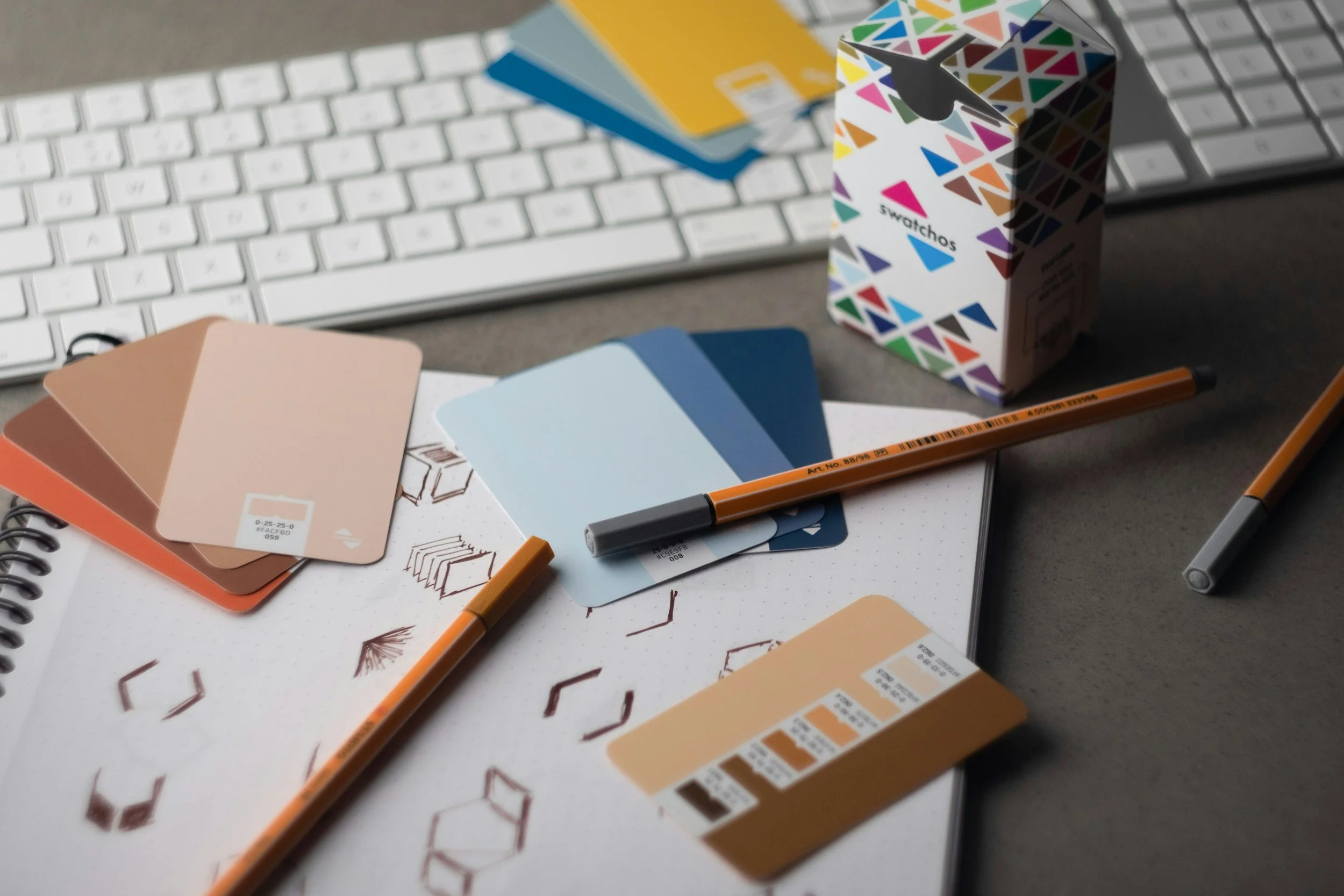
Marketing for interior design has evolved. Relying on referrals alone or hoping Instagram will do the heavy lifting is no longer enough to sustain a growing studio. Today, interior designers, studios, and architects need marketing that works quietly, consistently, and strategically in the background, bringing the right clients to them, not just more visibility.
The challenge is that interior design is not a quick, transactional service. Clients are investing in trust, taste, and long-term collaboration. That means your marketing needs to do more than look beautiful. It needs to communicate clarity, credibility, and confidence before a single enquiry lands in your inbox.
In this guide, we’ll explore what effective marketing for interior design really looks like, why so many studios feel stuck despite producing exceptional work, and how to build a marketing foundation that supports sustainable growth without constant content pressure.
Why marketing for interior design requires a different approach
Interior designers and architects don’t sell products. You sell expertise, vision, and problem-solving. Your clients are often making emotionally significant decisions—about their homes, businesses, or developments—and they need to feel reassured long before they reach out.
That’s why marketing for interior design must focus on trust-building rather than persuasion. The goal isn’t to convince people you’re talented. It’s to help the right people instantly recognise that you’re the right fit for their project.
When marketing is done well, it feels calm and intentional. When it’s not, it often feels scattered, reactive, or exhausting.
The most common marketing challenges interior designers face
Many studios come to us feeling frustrated, not because their work isn’t strong, but because their marketing isn’t doing it justice.
A common issue is over-reliance on social media. While platforms like Instagram are powerful visual tools, they’re unpredictable and time-intensive. Algorithms change, reach fluctuates, and even well-performing posts don’t always translate into enquiries. Social media should support your marketing, not carry it entirely.
Another challenge is a website that looks beautiful but doesn’t convert. This often happens when the site functions as a portfolio gallery rather than a strategic tool. Without clear messaging, defined services, and thoughtful calls to action, potential clients browse, admire—and leave.
Finally, many designers struggle with attracting the wrong type of enquiry. Budget misalignment, vague project scopes, or clients who are still “shopping around” are often signs that your marketing isn’t filtering effectively. This isn’t a pricing issue. It’s a clarity issue.
The foundation of effective marketing for interior design
Strong marketing doesn’t start with posting more or rebranding on impulse. It starts with structure and strategy.
Positioning: clarity creates confidence
Positioning is the backbone of all marketing for interior design. It answers the question every potential client is subconsciously asking: Why should I choose you?
Generic statements like “timeless, bespoke interiors” don’t create distinction. Clear positioning does. This might come from specialising in a certain type of project, working with a specific audience, or having a clearly articulated design philosophy and process.
When your positioning is defined, everything else becomes easier. Your messaging sharpens. Your content feels more focused. And your ideal clients start recognising themselves in your brand before you ever speak to them.
Your website: the centre of your marketing ecosystem
Your website is the one platform you fully own, and it should sit at the heart of your marketing for interior design.
A high-performing interior design website doesn’t just showcase work. It tells a story. It explains who you help, how you work, and what clients can expect from the experience of working with you. This narrative builds trust and removes uncertainty.
Equally important is how the site guides visitors. Clear structure, intuitive navigation, and well-placed calls to action gently move potential clients towards the next step—whether that’s making an enquiry or booking a consultation.
Just as crucial is search engine optimisation. SEO allows your website to be discovered by people actively looking for your services. Instead of chasing attention, your marketing meets clients at the moment of intent.
SEO: the long-term growth engine for interior designers
SEO is often misunderstood as technical or overly complex, but at its core, it’s about alignment. It connects what you offer with what your future clients are already searching for.
For interior designers and architects, SEO might involve clearly structured service pages, location-based optimisation, and thoughtful content that answers common client questions. Over time, this creates a steady flow of qualified traffic to your website—without relying on constant posting or paid ads.
Marketing for interior design becomes far more sustainable when SEO supports visibility in the background, allowing you to focus on your craft while your website does the work.
Content that builds authority, not noise
Content marketing doesn’t need to be relentless to be effective. For design-led businesses, quality always outweighs quantity.
The most effective content educates and reassures. It might explain your process, unpack design decisions, or guide clients through what it’s like to work with a professional interior designer or architect. This type of content positions you as an expert and builds confidence long before the enquiry stage.
Rather than creating content for algorithms, successful studios create content for clarity.
Why branding and marketing must work together
One of the biggest mistakes in marketing for interior design is treating branding and marketing as separate exercises.
Your brand is not just visual. It’s your voice, your messaging, your positioning, and your client experience. When branding and marketing are aligned, your website feels cohesive, your content feels intentional, and your marketing stops feeling disjointed.
This alignment is often the turning point where designers feel their marketing finally starts working with them instead of against them.
What successful interior design studios do differently
Studios that grow sustainably tend to invest early in foundations rather than chasing short-term tactics. They prioritise clarity, build strong websites, and treat SEO as a long-term asset. They understand that marketing is not about being everywhere, but about being clear and discoverable in the right places.
Marketing for interior design works best when it’s strategic, not reactive.
A more sustainable way to approach marketing
You don’t need to overhaul everything at once. A realistic approach might start with clarifying your positioning, refining your website messaging, and implementing foundational SEO. From there, strategic content can be layered in gradually.
This approach reduces overwhelm and creates momentum. Marketing becomes a system, not a constant task list.
Final thoughts: marketing that respects your craft
Interior designers and architects do deeply valuable work. Your marketing should reflect that level of care and professionalism.
When done well, marketing for interior design builds trust before the first conversation, attracts aligned enquiries, and supports long-term growth—without shouting or selling.
Ready to build a website that actually works for your studio?
If your current website isn’t bringing in the right enquiries, or if you’re ready to elevate how your studio is positioned online, explore our interior design website design services.
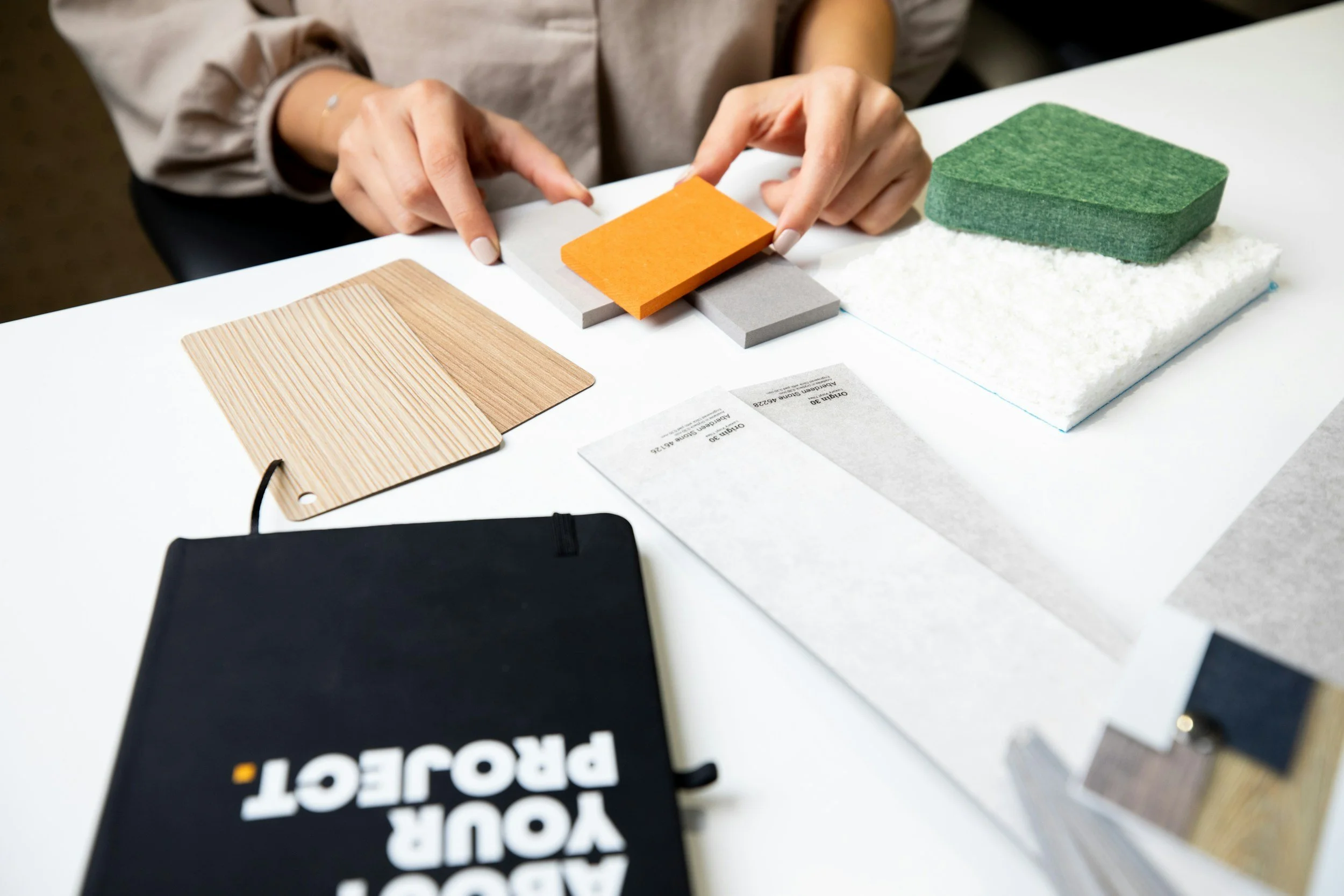
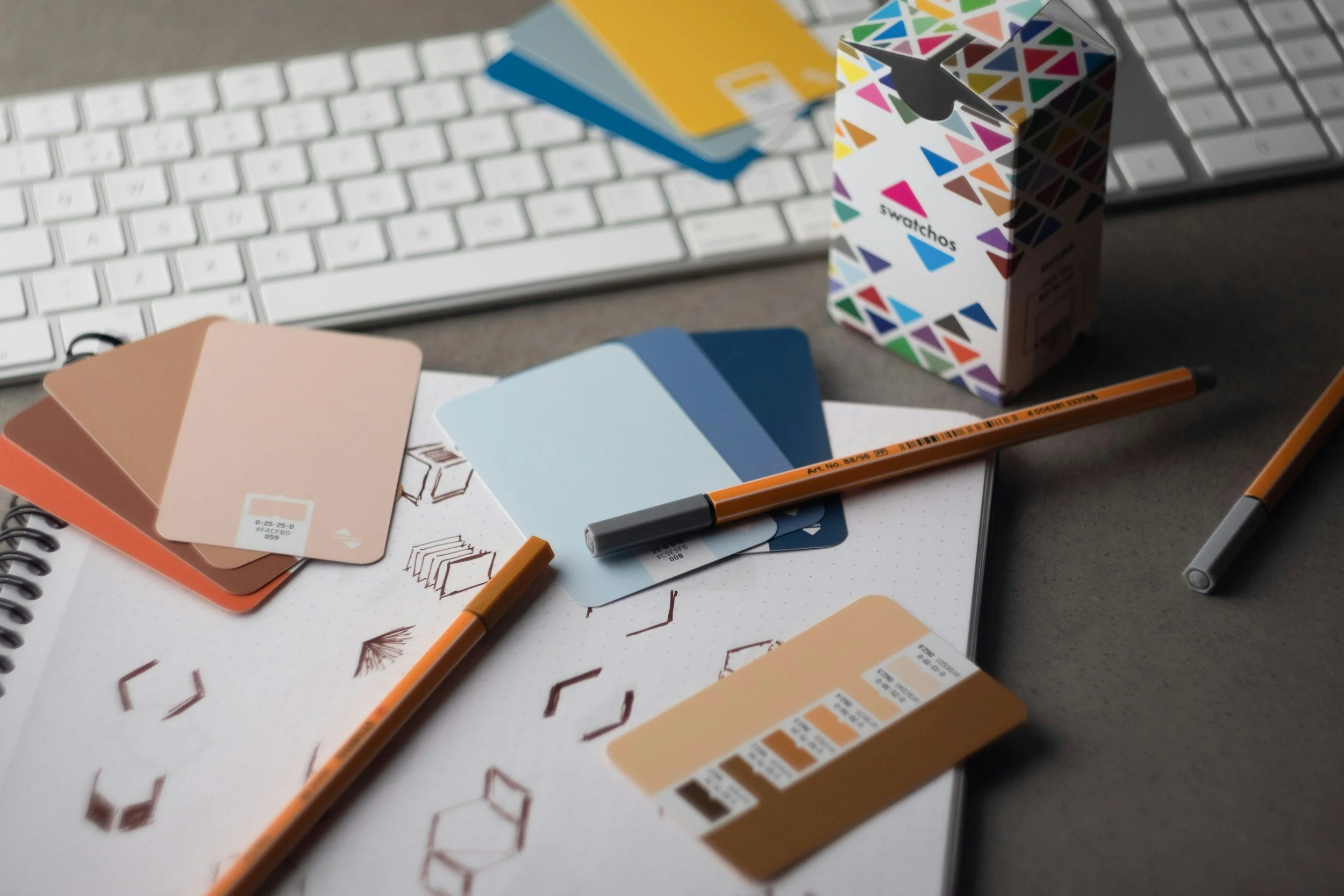
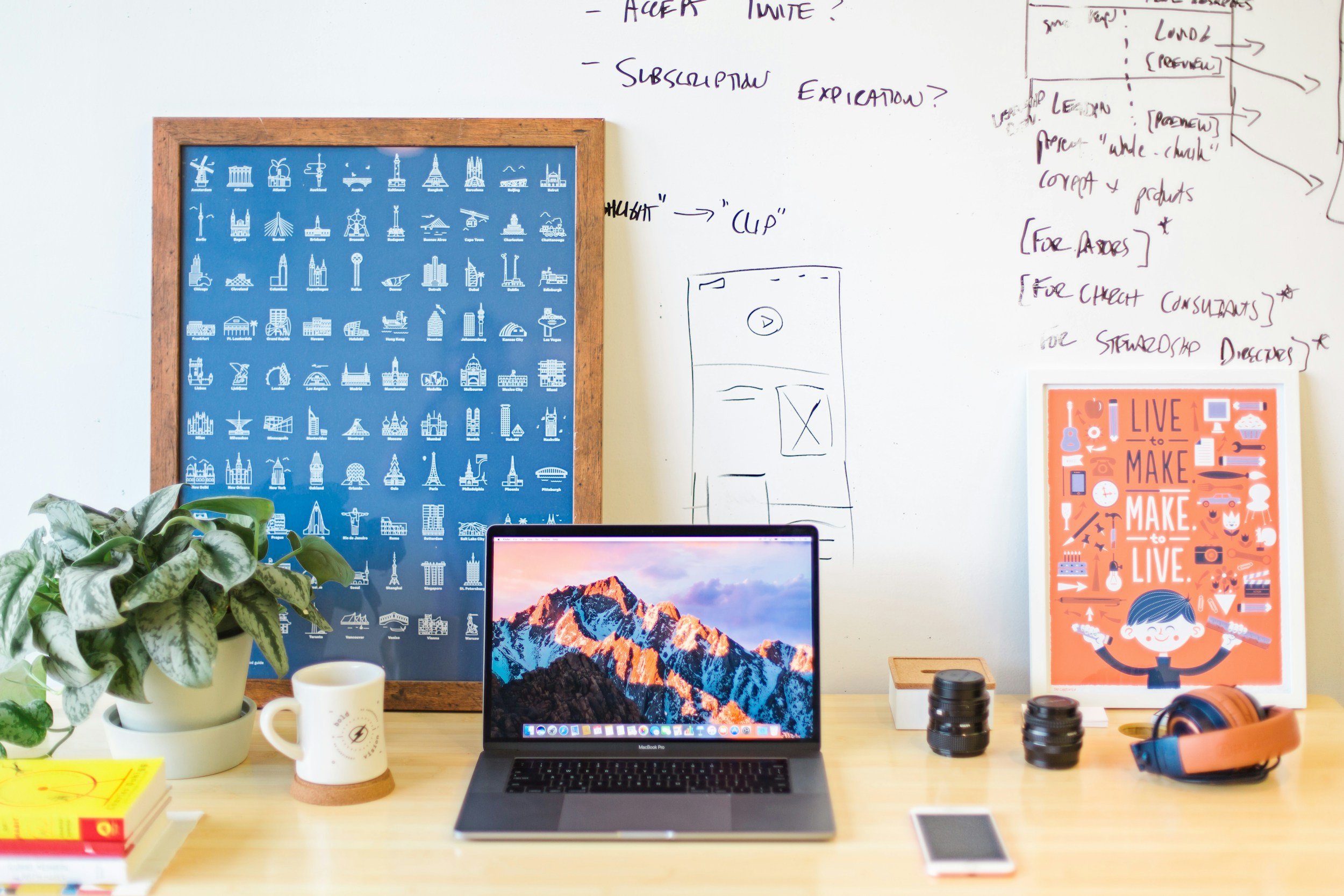

Are you looking for a Squarespace website for an interior design business? We have compiled our favorite website designs for you. Get inspired here!