How to Choose a Logo for Interior Designer Studios
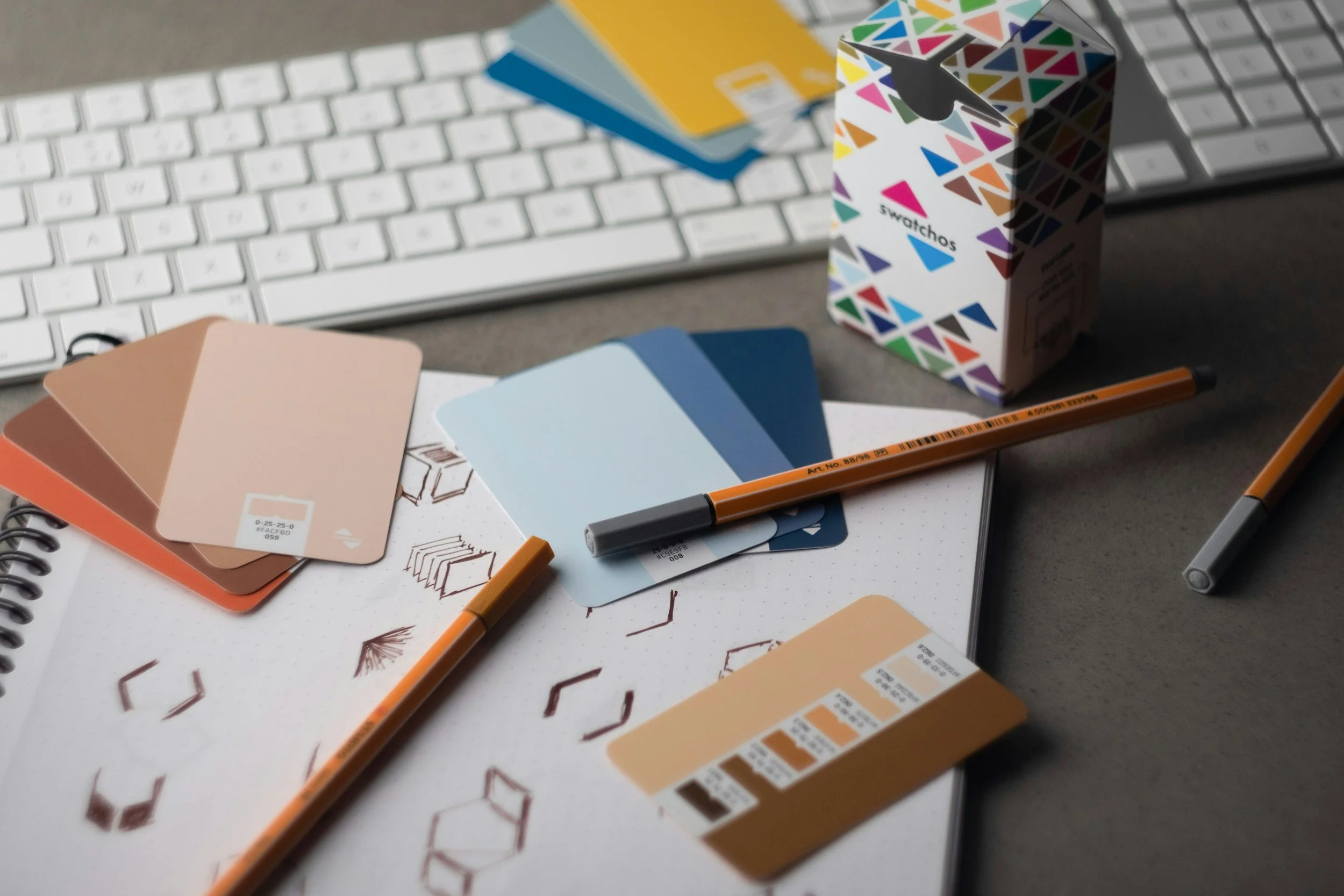
When you run an interior design studio, your logo is more than a decorative mark — it’s the visual cornerstone of your brand. It communicates your aesthetic before you speak, sets expectations for the experience you create, and positions your studio in the luxury or boutique space you want to occupy.
Choosing the right interior designer logo is one of the most strategic decisions you’ll make for your brand. A well-designed logo feels timeless, confident, and aligned with your creative style. The wrong one can dilute your identity, confuse your audience, or misrepresent the level of expertise you bring to every project.
In this comprehensive guide, we’ll walk you through how to choose a logo that elevates your interior design studio, attracts your ideal clients, and creates a brand presence that feels cohesive and unmistakably you.
Why Your Logo Matters More Than You Think
The interior design industry is saturated with talent — but clients aren’t just picking a designer based on skill. They’re choosing someone whose style, values, and personality they resonate with.
Your logo is often the first step in that connection.
A strong interior designer logo design will:
Communicate your aesthetic at a glance
Build trust and credibility with high-end clients
Set expectations for the type of spaces you create
Differentiate yourself in a crowded design market
Create consistency across your website, portfolio, social media, and printed assets
When done well, your logo becomes a shorthand for your signature style.
Step 1: Define Your Aesthetic Before Choosing Your Logo
The biggest mistake interior designers make? Jumping straight into visual ideas without defining their brand foundations.
Before exploring interior design company logo ideas, take a step back and reflect on your design identity.
Ask yourself:
What’s my design philosophy?
Are your interiors minimalist and modern? Rich and textural? Curated and collected? Playful and eclectic?
What emotions do I want clients to feel?
Calm, inspired, grounded, elevated, safe, energised?
What visual themes show up consistently in my work?
Arches, organic lines, symmetry, monochrome palettes, warm neutrals, bold geometry?
Who is my ideal client?
Luxury homeowners? Boutique commercial spaces? Developers? Renovation families?
Your logo shouldn’t just look beautiful — it should embody the essence of your design style.
This brand-first approach is the same foundation we use in our Brand Identity Design packages to ensure every visual element feels aligned, strategic, and cohesive.
Step 2: Choose the Right Logo Style for Your Studio
Interior design logos typically fall into a few core categories. Each one conveys a different tone and level of luxury.
Let’s explore them.
1. Wordmark Logo
A wordmark is a typography-driven logo that uses your studio name in a beautifully crafted font or custom letterform.
Perfect for:
Modern interior design studios
Minimalist designers
Luxury brands that want subtle elegance
Designers with a distinctive name or initials
Why it works: Wordmarks feel clean, timeless, and premium — a great fit if your aesthetic leans towards simplicity, sophistication, or architectural precision.
2. Monogram Logo
A monogram uses initials to create a signature mark, often paired with a full wordmark version.
Perfect for:
Designers with longer business names
Boutique or personal brands
Luxury interior design studios
Brands wanting a high-end, couture feel
Why it works: A monogram is compact, elegant, and ideal for social media icons, watermarking portfolio images, or applying to signage and collateral.
3. Symbol or Icon Logo
This style uses a visual symbol inspired by shapes, architecture, patterns, or design tools.
Perfect for:
Pattern-forward designers
Organic, artisan, or concept-driven studios
Designers with a unique creative angle
Why it works: A symbol can become highly memorable and scalable across touchpoints — but it must feel intentional, not generic.
4. Combination Mark (Wordmark + Icon)
The most versatile option, offering both recognisable text and a standout symbol.
Perfect for:
Multi-service interior design studios
Designers planning long-term brand evolution
Studios wanting flexibility across digital and print
Why it works: Combination marks work beautifully across website headers, project proposals, business cards, and social content. They provide balance and clarity — especially when your brand interacts with a high-end audience.
Step 3: Choose a Logo That Reflects Your Luxury Positioning
Many interior designers aim for a luxury interior design logo, but luxury isn’t about swirly gold graphics or ornate symbols. True luxury is subtle, intentional, and grounded in simplicity.
To achieve that elevated feel, consider:
Typography
Serif fonts suggest refinement, heritage, and sophistication. Clean sans-serifs feel modern, grounded, and minimal.
Custom typography blends personality with craftsmanship.
Spacing & Layout
Luxury brands embrace whitespace. Breathing room = confidence.
Symbolism
Think architectural forms, soft curves, abstract geometry — not literal couches or lamps.
Colour
Luxury logos often use:
black
charcoal
warm neutrals
muted earthy tones
deep emerald or navy
Vibrant brights are used sparingly.
Step 4: Look for Interior Design Company Logo Ideas — Without Copying Trends
It’s natural to gather inspiration when brainstorming your interior designer logo. Pinterest, Behance, and Dribbble can be helpful starting points, but following trends too closely can cause your brand to date quickly.
Instead:
Notice what you consistently feel drawn to
Save examples that evoke your aesthetic — not those that simply look good
Observe shape, spacing, typography, and energy
Identify what feels off-brand so you can avoid it
Your vision should guide your designer, not a mood board full of identical marble-and-gold logos.
Step 5: Ensure Your Logo Works Everywhere You’ll Use It
As an interior designer, you operate across digital, print, and spatial environments. Your logo must work across all of these:
On your website
Your logo sets the tone for your entire online presence. If you're currently building or upgrading your website, you might enjoy reading our guide: Interior Design Website Designer.
On social media
Especially profile photos, story highlights, and in-feed posts.
On project proposals & presentations
Your logo should look strong at small sizes.
On mood boards and concept decks
Symbols and monograms shine here.
On signage and studio branding
From door plaques to in-office visuals.
On your portfolio imagery
Watermarks should feel unobtrusive yet recognisable.
On digital products, templates, or guides
If you sell resources or run workshops.
This is why we always deliver logos in multiple formats and variations (primary, secondary, symbol-only, favicon) in our branding packages
Step 6: Choose a Designer Who Understands Your Vision
Logo design is both strategic and deeply personal — especially in a highly visual field like interior design.
When choosing a designer:
Look for someone who asks deep questions
Ensure they focus on strategy, not just visuals
Choose a partner who can help you define your brand, not just draw a logo
Review their portfolio for variety and sophistication
Make sure they deliver full brand guidelines, not just a single file
At Visuable, we use a structured, collaborative process with:
brand discovery
onboarding calls
multi-phase design development
professional brand guidelines
refinements shaped around your vision
It’s this clarity and collaboration that ensures your final logo feels like it truly belongs to your studio.
Step 7: Align Your Logo With Your Website & Brand Presence
Your logo isn’t standalone — it’s one part of your broader brand ecosystem. When everything is aligned — your logo, colours, typography, website layout, messaging — your brand feels elevated and cohesive.
If you're planning a new website or a refresh, your logo should lead the design direction.
Bringing both branding and website design together ensures you don’t end up with mismatched aesthetics or a website that doesn’t reflect your visual identity.
Step 8: Avoid the Most Common Mistakes Interior Designers Make
1. Choosing a trendy logo instead of a timeless one
Design trends fade quickly — but good branding lasts years. Aim for style longevity.
2. Using overly literal symbols
Icons like lamps, chairs, or houses can look generic and amateur. Opt for conceptual or abstract shapes that reflect your aesthetic subtly.
3. Ignoring scalability
Your logo must look crisp at both 20px and 2000px.
4. Picking too many fonts or colours
Luxury = simplicity. Less is more.
5. Skipping brand guidelines
Without them, your visual identity becomes inconsistent across platforms.
6. Designing your logo in Canva
DIY tools rarely provide the precision and vector formats you need. And without a professional brand strategy, it’s easy to create something attractive but misaligned.
7. Not matching the logo to your ideal client
If you want premium clients, your logo must look premium.
Step 9: Know When It’s Time to Rebrand
If you already have a logo but something feels “off,” that’s worth paying attention to. You might be ready for a refresh if:
Your current logo doesn’t match your studio’s evolved aesthetic
You’ve raised your pricing or moved into luxury interior design
You’re expanding your studio or services
You’re embarrassed to put your logo on proposals
Your website feels misaligned
Your logo was DIY-ed
Your studio is attracting the wrong clients
A strategic rebrand can completely transform how clients perceive your work — and can elevate your entire client experience.
Step 10: Choose a Logo That Tells Your Story — Not Someone Else’s
The best interior designer logos feel personal. They reflect the way you see the world, the spaces you create, and the clients you love working with.
Your logo should feel like a visual signature — unique, intentional, and aligned with your interior design style.
When your brand identity matches your creativity, you’ll attract clients who trust your vision, value your expertise, and feel excited to collaborate with you.
Conclusion
Choosing a logo for your interior design studio is an investment — not just in visuals, but in clarity, positioning, and long-term business growth. Your logo becomes the foundation for your brand and the starting point for every touchpoint your clients engage with.
Whether you’re establishing your first studio identity or evolving into a more high-end, curated brand, the right logo will help you communicate professionalism, build trust, and showcase your unique design sensibility.
Ready to Elevate Your Interior Design Brand?
If you’re ready to take the next step, explore our Brand Identity Design and interior design website design services to create a cohesive brand presence that truly reflects your talent.
FAQs
-
A good logo is clean, intentional, and aligned with your design aesthetic. It should communicate your style at a glance, feel memorable, and work seamlessly across digital and print platforms.
-
Start with your design aesthetic. Warm neutrals, charcoal, muted greens, and deep blues are often associated with luxury interiors. Choose a palette that reflects the mood of your projects.
-
Symbols work beautifully when they’re abstract and conceptual. Avoid literal items like furniture icons, which can look generic. Instead, think lines, geometry, or architectural details.
-
A wordmark uses your full business name with typography as the hero.
A monogram focuses on initials and works well for social icons, watermarks, and compact branding moments. -
Absolutely. Your website is the primary place clients interact with your brand. A cohesive visual identity across both builds trust, clarity, and consistency.

Are you looking for a Squarespace website for an interior design business? We have compiled our favorite website designs for you. Get inspired here!