
Marketing Ideas for Interior Designers: How to Stand Out, Attract Clients, and Build a Remarkable Design Brand
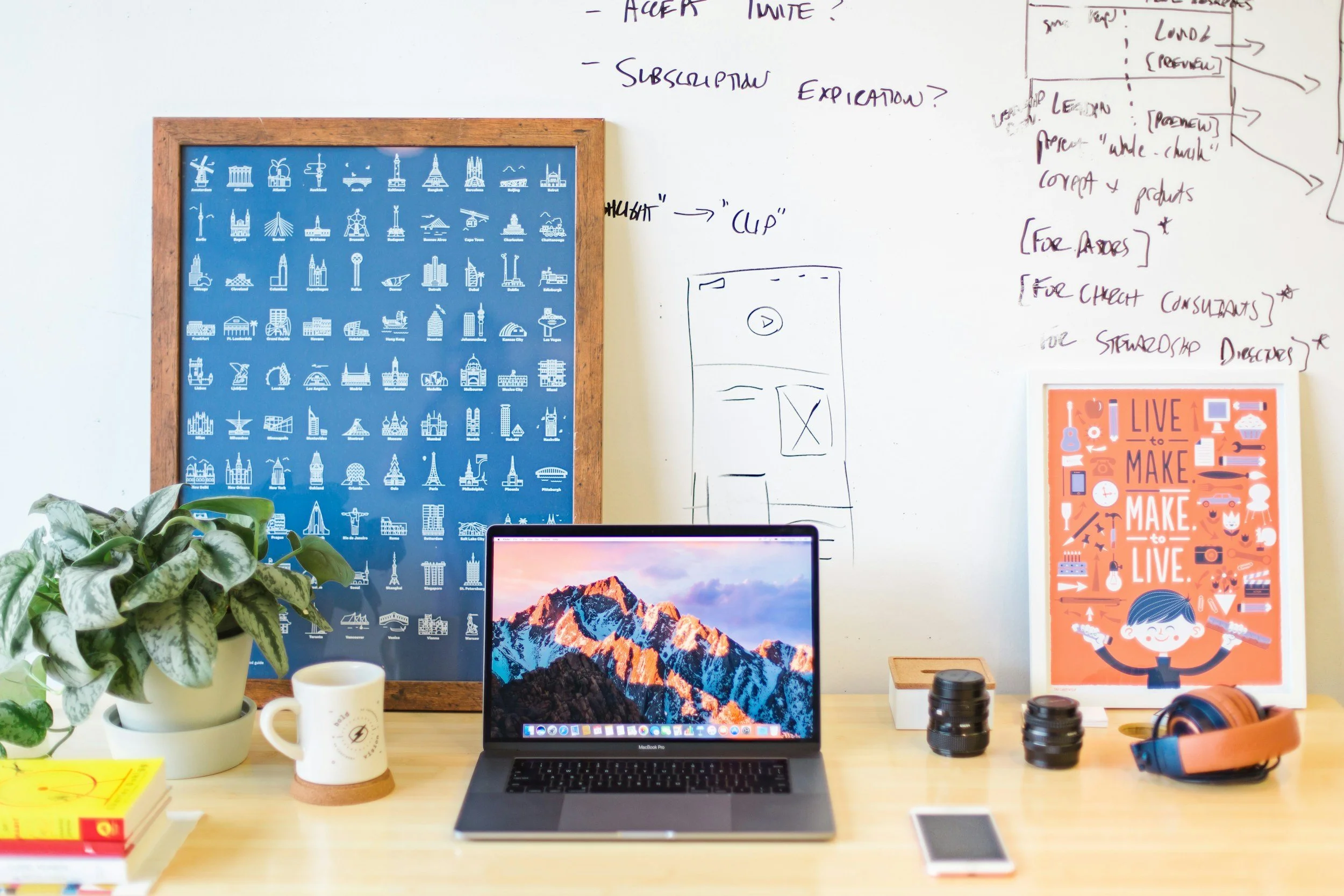
Interior designers operate in a visually driven, trust-based industry. Clients don’t just want beautiful spaces; they want reassurance, expertise, and the comfort of knowing you truly understand their vision, lifestyle, and priorities.
When your marketing reflects this level of detail and care, you naturally attract clients who value your process and are ready to invest.
Strategic marketing helps you:
Build authority as a design expert. You become the “go-to” designer in your niche or local area, not just another option.
Attract dream-fit clients who understand your aesthetic. Instead of convincing people, you’re confirming alignment.
Increase visibility online (especially locally). Search engines, directories, and social platforms start working for you around the clock.
Improve your brand image. Every touchpoint feels considered, high-end, and aligned with the quality of your work.
Move potential clients from hesitation to confidence. Clear messaging, strong visuals, and social proof make it easier to say “yes”.
These marketing ideas for interior designers blend creativity with strategy so your brand resonates on every level — visually, emotionally, and practically.
10 Marketing Ideas for Interior Designers to Grow Their Brand
1. Build a Strategic, High-Converting Website
Your website is the foundation of your marketing. It needs to do more than showcase your portfolio — it should guide visitors, reassure them, and inspire immediate trust.
A high-performing design studio website should have:
A clear, inspiring brand story. Explain who you are, what you specialise in, and the type of clients you love to work with. This isn’t just about your qualifications; it’s about your philosophy and approach.
Strategically written SEO copy. Your words should feel warm and human, while still being structured for search. Think clear headings, descriptive service pages, and copy that answers the questions your clients are already asking.
Beautiful, engaging visuals. Showcase curated, professional imagery that reflects your style and the level of work you want to attract. Less is often more — choose your strongest projects and present them thoughtfully.
A clean structure and intuitive navigation. Visitors should be able to find what they need in one or two clicks: Services, Portfolio, About, and Contact/Enquiries as a minimum.
Portfolio pages that show transformation. Go beyond “pretty pictures”. Share the story behind each project, the brief, the challenges, and the final result.
Your website is not a static brochure; it’s your most important sales tool. Treat it like an extension of your studio experience.
2. Optimise Your Website for SEO so Clients Can Find You
Beautiful work deserves to be found. Many designers lose out on organic and local traffic simply because their website lacks SEO fundamentals.
SEO marketing ideas for interior designers include:
Optimising page titles and meta descriptions. These are the snippets people see in Google. Make them clear, descriptive, and keyword-aligned (e.g. “Luxury Interior Designer in Chelsea, London”).
Building a keyword-ready heading structure. Use H1, H2, and H3 headings thoughtfully so search engines understand what each page is about. This also makes your content easier to scan for humans.
Adding search-friendly portfolio descriptions. Instead of just naming a project “Modern Apartment”, describe it: “Contemporary apartment redesign in Notting Hill with bespoke joinery and soft neutral palette.”
Publishing SEO-rich blog content consistently. Write about topics your ideal clients are searching for — renovation tips, room-by-room guides, style breakdowns, or FAQs about working with a designer.
Targeting local search terms like “interior designer in [city]”. Include your locations naturally throughout your site (e.g. headings, intros, and footers).
Done well, SEO works quietly in the background, bringing aligned leads to your inbox without you having to constantly chase visibility.
3. Tell Your Story With Brand Messaging That Feels Like You
Interior design is deeply personal. Clients invite you into their homes, their routines, and sometimes their biggest life transitions. They are drawn to designers whose story, process, and philosophy resonate with their aspirations.
Your brand messaging should:
Reflect your personality and values. Are you calm and minimalist? Bold and eclectic? Family-focused? Let people feel that in your words.
Explain your process with clarity and confidence. For many clients, “how it works” is the biggest unknown. Use your website to walk them through each step, from enquiry to install.
Reassure clients with real results and testimonials. Share specific outcomes: improved flow, increased light, more storage, higher property value, or simply “we finally feel at home”.
Help people understand why your studio is the right choice. Clarify what sets you apart — your niche, your aesthetic, your way of working, or your speciality (e.g. renovations, hospitality, or high-end residential).
When your messaging feels honest and grounded, clients feel they already know you before they even book a call.
4. Strengthen Your Visual Brand with Design Studio Branding
As a designer, your visual identity should feel just as intentional as the spaces you create. A cohesive brand builds recognition and makes every touchpoint look polished.
Your branding should include:
A modern, recognisable logo suite. This might include a primary logo, secondary logo, and a monogram or icon for small spaces.
A refined, luxurious colour palette. Choose shades that complement your portfolio imagery rather than compete with it. Think calm neutrals with one or two accent tones that feel like “you”.
Typography that reflects your creative aesthetic. Serif fonts can feel classic and high-end; sans-serifs can feel contemporary and clean. The key is consistency across your website, presentations, and documents.
Consistency across your website, social media, and proposals. When a client moves from your Instagram to your website to your PDF proposal, it should all feel like the same brand experience.
Strong branding doesn’t have to be loud. It just needs to be cohesive, intentional, and aligned with the level of work you want to attract.
5. Curate a Strong, Story-Driven Portfolio
Your portfolio is more than a gallery — it’s a narrative about how you think, create, and deliver results.
Effective interior design portfolios should:
Highlight transformation with before/after elements. Showing where a space started and where it ended up helps clients understand the value of your work.
Include concise project stories (who, what, why, result). Share the client’s brief, the challenges, your design approach, and the final transformation in a few clear paragraphs.
Demonstrate your design philosophy and creative range. Include a selection of projects that show variation while still feeling like “your” signature style.
Show real spaces that clients can emotionally connect with. Think about the emotions behind each project: calm, cosy, energising, sophisticated. Your visuals and copy should reflect that.
Quality over quantity always wins here. A few beautifully presented projects will serve you better than a long, uncurated list.
6. Leverage Content Marketing to Build Authority
One of the most powerful marketing ideas for interior designers is creating consistent, educational content that positions you as an expert and a trusted guide.
You can share content such as:
Style guides and trend forecasts. Help your audience understand how to interpret trends timelessly, rather than chase fleeting fads.
Behind the scenes of your design process. Show moodboards, materials, site visits, and installation days. This demystifies the process and builds emotional connection.
Project walkthroughs. Explain the thinking behind decisions: why you chose certain finishes, layouts, or lighting solutions.
Tips for renovations, colour palettes, and styling. Bite-sized, practical content helps potential clients experience your expertise before they work with you.
“Before you hire a designer” guidance. Offering advice on budget, timelines, and expectations establishes you as generous and confident.
Content marketing works best when it’s consistent and aligned with your niche. Focus on topics that your dream clients genuinely care about.
7. Use Email Marketing to Nurture Warm Leads
Email is where potential clients deepen their relationship with you over time. Rather than relying on social algorithms, you’re speaking directly to people who have already expressed interest.
Ideas for interior design email content:
Project features. Share a recent project with a mini case study, highlighting the brief and final transformation.
Seasonal styling tips. Offer simple updates people can make to refresh their space for a new season or occasion.
Design moodboards. Show curated looks that reflect your signature style and link back to your services or portfolio.
Renovation timelines & checklists. Help people understand what to expect, which also positions you as a calm, organised partner.
Client stories and transformations. Sharing client journeys builds trust and shows the real-life impact of your work.
You don’t need to send emails every week. Even a monthly or quarterly newsletter, done well, can keep you front-of-mind when someone is ready to move forward.
8. Strengthen Your Google Presence with Local SEO
If you serve specific areas or cities, your Google presence becomes essential. Many people search “interior designer near me” long before they ask for recommendations.
Local SEO includes:
A fully optimised Google My Business listing. Add high-quality photos, detailed service descriptions, opening hours, and a compelling introduction.
Consistent business information across all platforms. Make sure your studio name, address, and contact details are identical everywhere (website, social profiles, directories).
Local keywords on your website pages. Mention key locations you serve in your copy, especially on your Home, About, and Services pages.
Collecting and showcasing Google reviews. Encourage happy clients to leave reviews, then feature selected quotes on your website.
A strong local SEO setup builds credibility and makes it much easier to discover for those actively searching in your area.
9. Create Strategic Social Media Content (Not Just Pretty Photos)
Design is visual, but your social media should go beyond a stream of pretty images. The goal is to communicate your expertise, personality, and process — not just aesthetics.
Social content ideas include:
Mini case studies. Pair a single hero image with a short caption explaining the brief and result.
Quick design tutorials. Simple, actionable tips (“3 ways to make a narrow hallway feel bigger”) resonate well.
Process reels (moodboards, samples, site visits). These help potential clients see the work behind the final images.
Stories highlighting your team culture. Introduce team members, studio rituals, and behind-the-scenes moments.
Bite-sized interior design marketing ideas to help people understand your value. Educate your audience on why working with a designer saves time, reduces mistakes, and elevates outcomes.
Tip: Focus on storytelling instead of volume. A few thoughtful, well-crafted posts each week often outperform constant posting that lacks intention.
10. Collaborate With Complementary Brands
Partnership marketing amplifies your visibility by connecting you with audiences that are already interested in design, lifestyle, or property.
Consider collaborations with:
Boutique furniture stores. Style in-store vignettes, host events, or create joint promotions.
Luxury realtors. Offer staging, styling, or co-branded content for high-end listings.
Architects. Partner on projects where the architecture and interiors need to work seamlessly together.
Lifestyle brands. Co-create content, workshops, or pop-ups that align with your aesthetic and audience.
Photographers & stylists. Build long-term relationships with creatives who can help you capture and present your work beautifully.
Thoughtful collaborations can introduce you to ideal clients who already appreciate design — and are more likely to invest in professional interiors.
Ready to Elevate Your Interior Design Brand?
Whether you need help refining your brand, elevating your website, or building a long-term SEO strategy, we’re here to support you every step of the way.
Let’s create a brand that feels aligned, looks exceptional, and helps your studio grow with confidence.
FAQs
-
A strategic, SEO-optimised website is the number-one driver of long-term visibility and conversions. It’s your brand’s home — and the foundation for every other marketing activity.
-
Focus on branding, refined messaging, and a premium portfolio experience. Clients investing in high-end design want a cohesive, luxurious digital presence that mirrors the experience you offer.
-
Absolutely. SEO helps clients find you when searching for services like “interior designer [city]” or specific project types. It increases visibility, organic traffic, and trust.
-
Instagram, Pinterest, and TikTok are ideal for visual storytelling. LinkedIn is excellent for networking with architects, builders, and luxury real estate partners.
-
Consistency matters more than frequency. Bi-weekly or monthly content works well — especially when paired with SEO.

Are you looking for a Squarespace website for an interior design business? We have compiled our favorite website designs for you. Get inspired here!