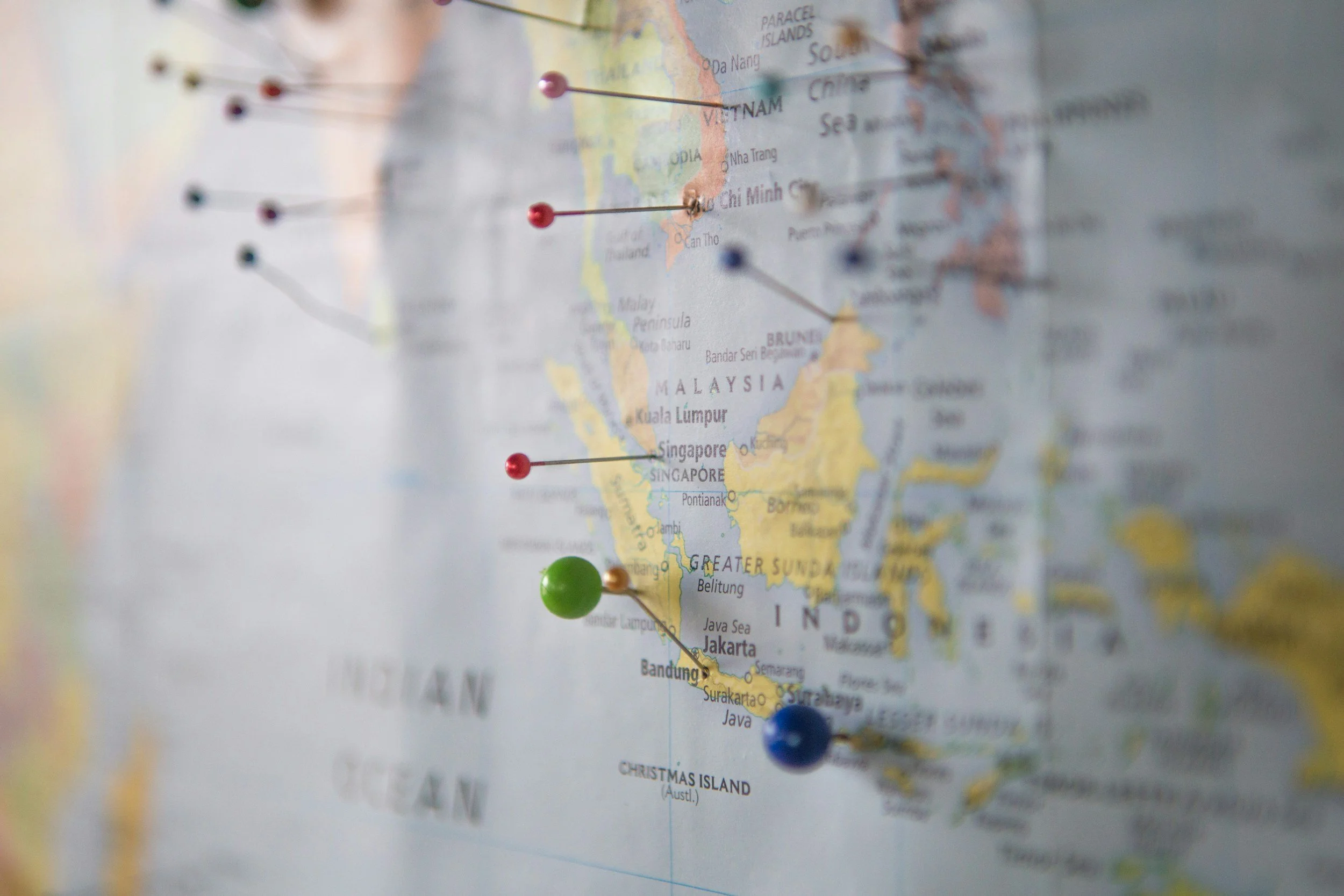
SEO for Travel Agencies: How to Rank for Destination-Based Keywords

If you're a travel agency, your clients are already searching.
They’re typing phrases like “luxury safari in Zimbabwe,” “family holidays in Italy,” or “private tours in Japan.” These aren’t casual searches. They signal intent. They signal planning. Often, they signal readiness to book.
The real question is — are they finding you?
Effective SEO for travel agencies is not about ranking for broad, generic terms like “travel agency.” It’s about strategically positioning your brand around destination-based keywords that attract qualified, high-intent traffic.
Let’s explore how to do that properly.
Why Destination-Based Keywords Drive Bookings
When someone searches “private tours in Tuscany,” they are far closer to making a decision than someone typing “travel ideas.”
Destination-based keywords combine place, experience, and intent. They attract people who already know where they want to go — they’re simply looking for the right partner to guide them there.
That’s where strategic SEO becomes powerful. Instead of competing globally for broad visibility, you focus on owning specific destinations within your niche.
Choose Keywords With Strategic Precision
One of the biggest mistakes travel agencies make is targeting keywords that are too broad or too competitive. Ranking for “luxury travel” is incredibly difficult. Ranking for “luxury safari tours in Hwange National Park” is far more achievable — and often more profitable.
Strong destination keywords usually combine three elements:
Destination + Travel Style or Experience + Intent.
For example, “small group tours in Patagonia” or “honeymoon packages in the Maldives” are specific and commercially strong. These types of keywords attract visitors who are actively researching bookings, not just browsing.
Using tools like Google Autocomplete, Search Console data, and professional keyword platforms helps uncover these opportunities. But the real strategy lies in choosing destinations that align with your expertise and long-term positioning.
Create Dedicated Destination Pages
If you want to rank for a destination, it deserves its own page.
Many travel agencies group all destinations under one general page. While this might feel organised, it limits your visibility. Google ranks individual pages — not menu items.
Instead, build a dedicated, in-depth page for each key destination you want to own. A strong destination page includes clear keyword placement in the headline, thoughtful subheadings that explore experiences and travel styles, and original, value-driven content that demonstrates your expertise.
Aim for depth rather than surface-level descriptions. Share insights, ideal travel seasons, unique highlights, and who the experience is best suited for. This not only strengthens SEO performance but builds trust with potential clients.
Combine Local Authority With Destination Expertise
If you operate in a specific city or country, layering local SEO with destination SEO can be incredibly effective.
For example, positioning yourself as a “Luxury travel agency in London specialising in Greece” helps Google understand both where you’re based and what you’re known for.
Optimising your Google Business Profile, ensuring consistent business information across platforms, and gaining local backlinks all reinforce credibility. When combined with destination-focused pages, this creates a powerful authority signal.
Use Blog Content to Build Topical Authority
Destination pages should not exist in isolation. Supporting blog content strengthens your ability to rank.
If you want to rank for “Luxury Safari in Zimbabwe,” you might publish detailed articles about the best time to visit Hwange National Park, what to pack for an African safari, or how to choose between different lodge styles.
Each article should link naturally back to your main safari page. This internal linking strategy signals to search engines that you are building comprehensive expertise around that destination.
Over time, this layered approach increases authority and improves rankings.
Don’t Overlook Technical SEO
Even beautifully written content struggles if the technical foundation is weak.
Travel websites are often image-heavy and visually rich. Without proper image compression, fast loading speeds, and mobile optimisation, rankings can suffer. Clear heading structure, clean URLs, SSL security, and well-written meta titles and descriptions all contribute to search visibility. SEO for travel agencies is both creative and technical. It requires strong storytelling and a solid infrastructure.
Turn Visibility Into Bookings
Ranking is only half the journey.
Once visitors land on your destination page, your copy needs to inspire trust and confidence. Clear calls-to-action, well-placed enquiry buttons, testimonials, and subtle reassurance signals all help convert traffic into consultations and bookings.
SEO brings people to your digital door. Strategic copy invites them inside.
How Long Does It Take to See Results?
SEO is a long-term investment. Lower-competition destinations may show traction within three to six months, while competitive luxury markets may take longer.
What matters most is consistency. Publishing strategic content, refining your pages, and strengthening internal links builds momentum over time.
Final Thoughts: Own Your Niche, One Destination at a Time
The most successful travel agencies don’t try to rank for everything. They focus on a curated selection of destinations and build authority around them.
Choose three to five core locations that align with your brand. Develop in-depth pages. Support them with thoughtful blog content. Strengthen your technical foundation. Refine your messaging for conversions.
Over time, you won’t just increase visibility — you’ll increase qualified enquiries from clients already dreaming about the journeys you specialise in.
If you’re ready to build an SEO-first travel website designed to rank and convert, we’d love to guide you. Book a free consultation and let’s create a strategy rooted in clarity, expertise, and long-term growth.
Ready for a TRAVEL website that actually works for EXPLORERS?
Book a free consultation, and let’s design a platform that supports your ambition and sells your experiences with confidence.